



Top-rated paving pros.

Best paving pros near Clarksville, OH

Enter your zip and get matched with up to 5 pros

Need a pro for your paving service project in Clarksville, OH?

Select your specific project to find the pro for you.

TRUSTED BY CLARKSVILLE, OH HOMEOWNERS

  • Average homeowner rating star icon4.6
    Average homeowner rating
  • Verified reviews icon67
    Verified paving services reviews

Top-Rated Paving pros in Clarksville - Updated Nov 2026

Avatar for Serene Aqua
Serene Aqua
4.6(
37
)
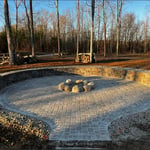
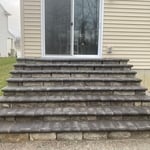
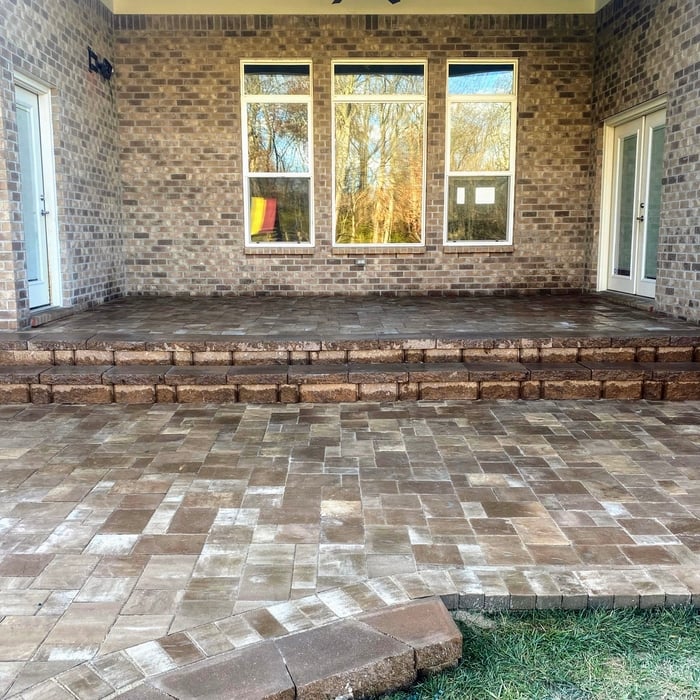
Interlocking Pavers for Patios, Walks & Steps - Install

Serving Clarksville, OH and surrounding areas

Approved

In business since 2006

Free estimates

Emergency services offered

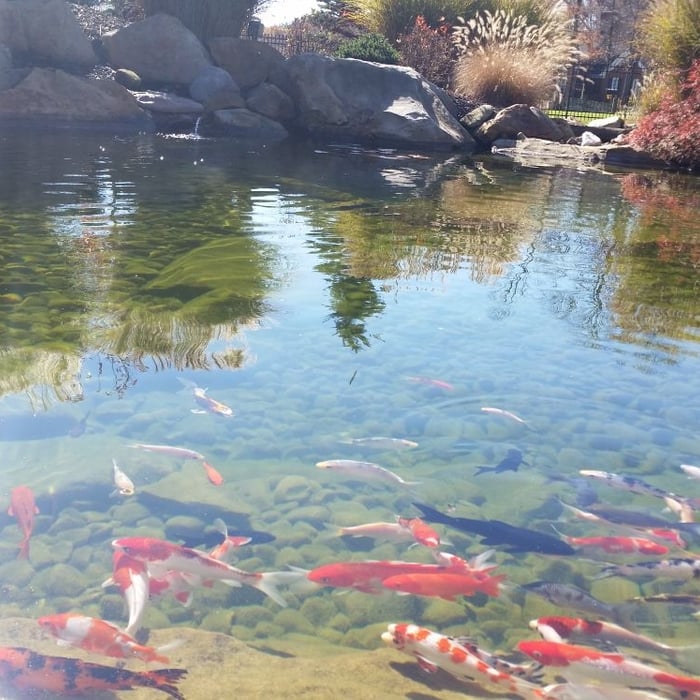
"Serene Aqua did an excellent job of pond cleaning and rehabilitation for a fair price and we really appreciate them and their fine work. Please use them to give your property special beauty. We would use them again and recommend them to friends and neighbors!"
Additional Photos
Additional Photos
Additional Photos
Additional Photos
Additional Photos

+5

4 neighbors recently requested a quote
Recommended by96%of homeowners
...
Showing 1-10 of 91
Paving Services FAQs, answered by experts

The best ways to increase the lifespan of your driveway are to carry out proper maintenance and get repairs done quickly. First, reseal your driveway every one to three years to protect it from the elements. If you start to notice significant cracks, hire a professional to diagnose the problem before it gets more serious. You can also use sand instead of salt when de-icing your driveway (since salt is corrosive) and clean your driveway annually using a pressure washer to keep it in tip-top shape.
Wet cutting is usually the preferred method. It controls dust, which helps protect your lungs and makes for a cleaner working environment. Plus, the water cools the blade, preventing overheating and prolonging its life while providing smoother, more precise cuts. The downside is the mess—water and asphalt sludge can be messy to clean. Dry cutting, though convenient if water isn’t available, creates a lot of dust, which can be harmful. This also increases the risk of blade damage due to overheating. So, if you have the option, wet cutting is the better method for most asphalt jobs.

Asphalt and tarmac are not the same thing. Traditional tarmac, short for tarmacadam, uses tar as a binder to hold crushed stone together. Asphalt uses bitumen—a byproduct of crude oil—to bind aggregate. Though tarmac was once a go-to for roads, asphalt has become the modern standard. And these days, most surfaces referred to as “tarmac” are actually asphalt. So, while the names may overlap, the key distinction lies in the binder—tar for tarmac and bitumen for asphalt.

Generally speaking, tiles are for indoor use, while pavers are for outdoor use. The main difference between travertine tiles and pavers is their thickness. Tiles are around 1/2 inch thick, and pavers are 1 1/4 inches to 2 inches thick.

Pavers are more rugged and can handle different weather. The extra thickness on pavers also makes them ideal for high-traffic areas.

Yes, but it's best to kill off the grass with solarization and remove the dead plant matter before laying down the pavers. This helps limit the chance of your pavers shifting as the dead plant matter decomposes.

The Clarksville, OH homeowners’ guide to paving services

From average costs to expert advice, get all the answers you need to get your job done.