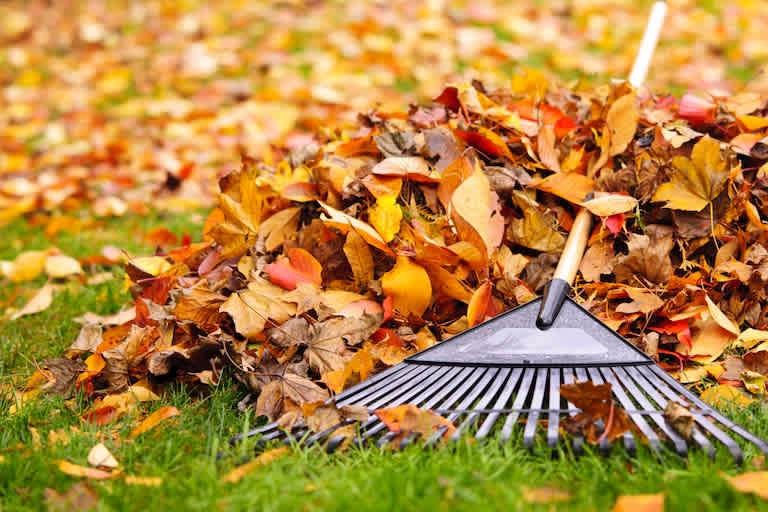


Top-rated leaf removal pros.

Get matched with top leaf removal pros in Cadiz, OH

Enter your zip and get matched with up to 5 pros

Need a pro for your leaf removal project in Cadiz, OH?

Select your specific project to find the pro for you.

Find Leaf removal pros in Cadiz

...
Showing 1-10 of 88
Leaf Removal questions, answered by experts

Lead toxicity comes from inhaling lead or consuming it. Before the 1980s, when the government banned lead from consumer use, it could be found in paint, plumbing, pipes, ceramics, and even gasoline. Lead paint is toxic for the same reason lead itself is toxic, which is why lead poisoning from paint presents the same as lead poisoning from water or food sources, with a slight increase in respiratory symptoms vs. digestive symptoms. Lead paint is most dangerous when it’s old and peeling, cracking, or otherwise disturbed. This increases the concentration in the air and, therefore, in breathable air. 

If lead is detected in a property, steps should include arranging for professional removal or containment, notifying all occupants, and implementing interim safety measures to reduce exposure.

The safest way to remove lead-based paint is by letting a professional take over. For most people, lead paint removal costs an average of $3,400. You should never attempt to dry sand old lead-based paint surfaces by hand. Most professionals use a paint stripper to do the job followed by wet scraping, but if you don’t want to remove lead paint, another option is to paint over it. Only consider this option if the old lead paint finish isn’t flaking or cracked.

Lead removal can take a few days to several weeks, depending on the work needed, particularly if the lead is widespread and in hard-to-reach areas.

According to the Environmental Protection Agency (EPA), hazardous waste is generally classified into four main categories:

1. Characteristic Wastes: These exhibit at least one of four hazardous traits: ignitability (flammable, like gasoline), corrosivity (can rust or decompose materials, like car batteries), reactivity (unstable and can explode, like aerosol cans), or toxicity (harmful when ingested, like lead-based paint).

2. Listed Wastes: These are specific wastes from manufacturing and industrial processes that the EPA has officially designated as hazardous. They include byproducts from processes that use solvents, pesticides, and other chemicals.

3. Universal Wastes: These are commonly generated hazardous items that are subject to streamlined regulations. Examples include batteries, pesticides, mercury-containing equipment (e.g., bulbs), and some lamps.

4. Mixed Wastes: This category includes waste that contains both hazardous and radioactive components, making it subject to regulation by both the EPA and the Nuclear Regulatory Commission.

The Cadiz, OH homeowners’ guide to leaf removal services

From average costs to expert advice, get all the answers you need to get your job done.