

Top-rated excavation pros.

Get matched with top excavation pros in Winthrop, NY

Enter your zip and get matched with up to 5 pros

Need a pro for your excavation project in Winthrop, NY?

Select your specific project to find the pro for you.

Find Excavation pros in Winthrop

Drain Cleaners Sewer & Septic Professionals of Canton, Syracuse and Utica
3.5(
36
)
Building Site - Preparation and ClearingExcavation - Major Grading or Resloping

Serving Winthrop, NY and surrounding areas

In business since 2010

Free estimates

Emergency services offered

"We made initial phone contact and scheduled cleanout for the following Monday. I realized that was Labor Day and called them back to see if that appointment was a mistake. They realized it was and said they would contact me back to reschedule. They never returned my repeated phone calls to reschedule. I got the impression they did not want to be bothered with my septic cleanout."
Response time7 hrs
Recommended by92%of homeowners
Avatar for Twin Tier Flooring & Construction
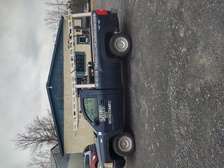
Twin Tier Flooring & Construction
3.8(
9
)
Landscape - Minor Grading or Resloping

Serving Winthrop, NY and surrounding areas

In business since 2020

Free estimates

Small jobs welcome

"Darren the owner pays close attention to the quality of work him and his crew do he's always checking everything and making his guys fox even things that aren't wrong but it's gotta be perfect and his timleyness and price are also very good and competitive"
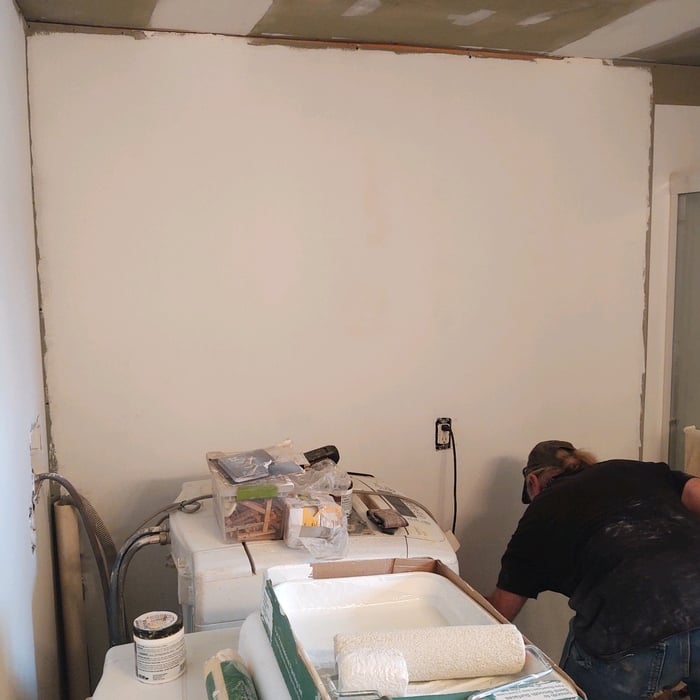
Bedroom walls
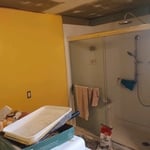
Bathroom
Bathroom
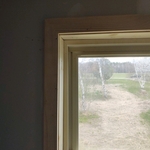
Window Trim
Bathroom

+4

Response time1 day
Recommended by71%of homeowners
Showing 1-10 of 30
Excavating questions, answered by experts

Digging out a basement takes anywhere from a few days to a few months. Most projects take at least two to five weeks, but it could take several months if you encounter obstacles. This project takes longer if you need to brace or raise your home before the excavation. Digging out a basement in new construction can take as little as three days.

How deep your septic system needs to be into the ground depends on several factors. In extremely cold environments, the tank needs to rest below the maximum frost line, which can be up to six or eight feet deep. The standard burying depth for most systems is between a few inches and four feet below ground level. Depth can also depend on the slope of the landscaping and other property variables. 

The easier way to find buried sprinkler lines is to use the plan from the professionals who installed the system. If you don’t have professional plans, listen for running water on your lawn when you turn on the system. You may also spot wet areas, giving you an idea of where the heads are. Once you find the sprinkler heads, you’ll likely be able to connect the dots between them, revealing the system below.

We recommend removing the stump, and grinding is a popular way to do it. You can also dig out small stumps or stumps that have fully decayed instead of grinding them. However, don’t try using acids or fire for killing a tree stump, which is a fire hazard and illegal in many areas.

Leaving the stump alone invites eventual problems, including attracting termites, mold, and fungi.

In the United States, a depth of 36 inches (three feet) for underground water lines is the accepted industry standard. This depth varies from location to location based on local conditions. In areas with colder winters, they may be buried deeper to prevent frozen well water pipes : This is usually at least six inches below the frost level. The International Plumbing Code calls for a minimum of 12 inches below grade.

The Winthrop, NY homeowners’ guide to excavation services

From average costs to expert advice, get all the answers you need to get your job done.