

Top-rated excavation pros.

Get matched with top excavation pros in Norfolk, NY

Enter your zip and get matched with up to 5 pros

Need a pro for your excavation project in Norfolk, NY?

Select your specific project to find the pro for you.

Find Excavation pros in Norfolk

Drain Cleaners Sewer & Septic Professionals of Canton, Syracuse and Utica
3.5(
36
)
Building Site - Preparation and ClearingExcavation - Major Grading or Resloping

Serving Norfolk, NY and surrounding areas

In business since 2010

Free estimates

Emergency services offered

"We made initial phone contact and scheduled cleanout for the following Monday. I realized that was Labor Day and called them back to see if that appointment was a mistake. They realized it was and said they would contact me back to reschedule. They never returned my repeated phone calls to reschedule. I got the impression they did not want to be bothered with my septic cleanout."
Response time7 hrs
Recommended by92%of homeowners
Avatar for Twin Tier Flooring & Construction
Twin Tier Flooring & Construction
3.8(
9
)
Landscape - Minor Grading or Resloping

Serving Norfolk, NY and surrounding areas

In business since 2020

Free estimates

Small jobs welcome

"Darren the owner pays close attention to the quality of work him and his crew do he's always checking everything and making his guys fox even things that aren't wrong but it's gotta be perfect and his timleyness and price are also very good and competitive"
Bedroom walls
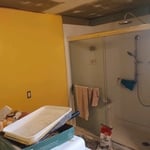
Bathroom
Bathroom
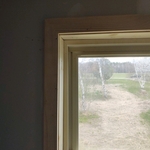
Window Trim
Bathroom

+4

Response time1 day
Recommended by71%of homeowners
Showing 1-10 of 27
Excavating questions, answered by experts

Skunk digging looks like a series of small, cone-shaped holes on a lawn or around the perimeter of a home, porch, deck, or shed. The holes that skunks dig when searching for grubs tend to be no more than four inches in diameter and may be up to four inches deep.

A walk-behind trencher can cut through roots as long as they’re not too thick, making a project much easier than digging with a shovel and other hand tools. Assess your terrain and the number of trees in the surrounding area to determine if a walk-behind trencher will ease the job. Digging a trench by hand is much more time-consuming and labor-intensive. 

Most states do not require excavation companies to hold specific licenses, but many require at least a contractor’s license. Additionally, heavy equipment operators require a special commercial equipment license to operate machinery required for excavation. You can use Angi’s contractor licensing tool to confirm that an excavation company you’re considering hiring is fully licensed. You should also make sure that the excavation team is fully insured before allowing them to work on your property.

Some two-in-one tools and machines do both jobs, and those could be the right solution for smaller residential projects. However, the phrase “use the right tool for the job” definitely applies to digging. For the best results, get two separate tools for your trenching and landscape edging projects or call a pro to take care of everything for you.

You can bury underground electrical wire six inches deep—but only if you use a rigid metal electrical conduit. For rigid, non-metallic conduits, bury the wire at least 12 inches deep. If using an underground feeder cable rated for direct burial, you'll need to place it at least 18 inches deep, as it has no conduit for extra protection.

The Norfolk, NY homeowners’ guide to excavation services

From average costs to expert advice, get all the answers you need to get your job done.