




Top-rated drywall pros.

Get matched with top drywall pros in Water Mill, NY

Enter your zip and get matched with up to 5 pros

Need a pro for your drywall service project in Water Mill, NY?

Select your specific project to find the pro for you.

TRUSTED BY WATER MILL, NY HOMEOWNERS

  • Average homeowner rating star icon4.4
    Average homeowner rating
  • Verified reviews icon27
    Verified drywall services reviews

Find Drywall pros in Water Mill

Avatar for Magic Masonry Inc.
Magic Masonry Inc.
5.0(
29
)
Drywall - InstallDrywall - Install - For Business

Serving Water Mill, NY and surrounding areas

Approved

In business since 2021

Free estimates

Warranties offered

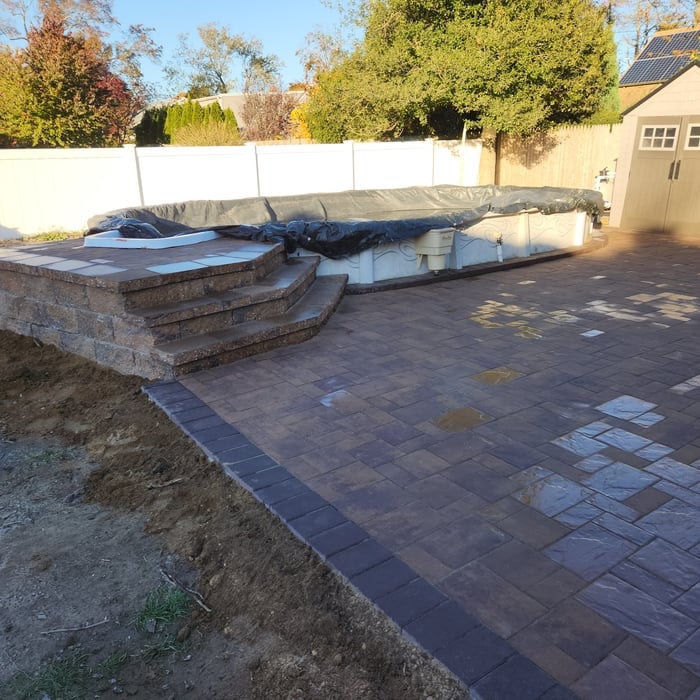
"Ian was a true professional Installed the paves in a timely fashion and was always neat and left the property clean As a part of the project he moved a fence and Installed Sod I interviewed many contractors and no one came close to knowing what I needed. I highly recommend Ian and his company"
Cambridge 3pc Walkway
Nicolock Adobe Blend 3pc
finish 1
Cambridge
Nicolock Adobe Blend 3pc

+155

Response time2 hrs
Response rate92%
2 neighbors recently requested a quote
Avatar for Just Right Carpentry & Painting
Just Right Carpentry & Painting
4.7(
227
)
Drywall - Repair

Serving Water Mill, NY and surrounding areas

Approved

Super Service Award Winner

In business since 1984

Free estimates

Warranties offered

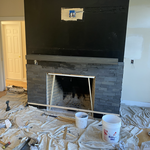
"Just Right did a fine job framing my skylights, installing recessed lighting, insulation and new drywall for the ceiling. Each day they were on time, worked professionally, and delivered a quality job that looked great. Their price was fair and overall we were happy."
Additional Photos
Additional Photos
Additional Photos
Additional Photos
Additional Photos

+55

Response time10 hrs
Recommended by84%of homeowners
...
Showing 1-10 of 338
Drywall questions, answered by experts

Yes, taping inside corners is a critical step in the drywall installation process.  Properly taping inside corners is essential for achieving a professional look, and an installation that resists cracking and maintains its integrity over time. Taping the corners involves the application of a joint compound along the seam where two drywall pieces meet. This process provides reinforcement, conceals the seam, and prevents future gaps or cracks from developing.


Although they have similar applications, spackle and joint compound are not the same. Their primary differences lie in their composition, consistency, and ideal use cases.

Spackle is composed of gypsum and binding agents, making it thicker than joint compound. It dries quickly and is easy to sand, which makes it ideal for small wall repair projects like filling nail holes or patching minor damage.

Joint compound, also known as drywall mud, consists of limestone and gypsum. It is primarily used for large-scale projects, such as taping and finishing the seams on newly installed drywall. It tends to shrink more than spackle and can be more difficult to spread.

While both products can be used to fill small depressions and cracks, spackle cannot replace joint compound for taping and mudding new drywall. Conversely, you can often use joint compound for small patching jobs typically done with spackle.

A 50-pound mirror can be hung on drywall, but only if it has the support of strong hardware. Ideally, you can find the studs behind the drywall and attach the mirror to them; this will give your mirror better stability. Otherwise, confirm that you are using anchors appropriate to the weight of the mirrors. Another technique is to use French cleats—two pieces of wood that fit together, with one piece attached to the wall and the other to the mirror. This allows the weight to be distributed over a wider area.

If you only have tiny holes in your drywall (for example, dents or nail marks), you probably won’t need a patch kit. Instead, you can plug the hole with a small amount of spackle. Once the spackle dries, you can sand the area and paint over it—just like you would in the steps outlined above.

It’s always better to follow proven drywall repair tips and fix the seams that look bad. However, if you simply want to make them less noticeable until you have time to fix them, you can use paint. A darker color of paint makes bad drywall tape seams less noticeable than light-colored paint. Matte paint hides bad seams better than glossy paint does, too.

The Water Mill, NY homeowners’ guide to drywall services

From average costs to expert advice, get all the answers you need to get your job done.