


Top-rated drywall pros.

Get matched with top drywall pros in Sag Harbor, NY

Enter your zip and get matched with up to 5 pros

Need a pro for your drywall service project in Sag Harbor, NY?

Select your specific project to find the pro for you.

TRUSTED BY SAG HARBOR, NY HOMEOWNERS

  • Average homeowner rating star icon4.5
    Average homeowner rating
  • Verified reviews icon47
    Verified drywall services reviews

Find Drywall pros in Sag Harbor

Avatar for PEDONE CONSTRUCTION, INC.
PEDONE CONSTRUCTION, INC.
5.0(
26
)
Drywall - Repair

Serving Sag Harbor, NY and surrounding areas

Approved

In business since 1990

Free estimates

Emergency services offered

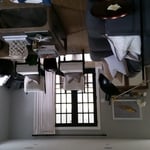
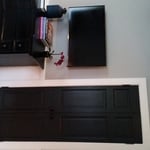
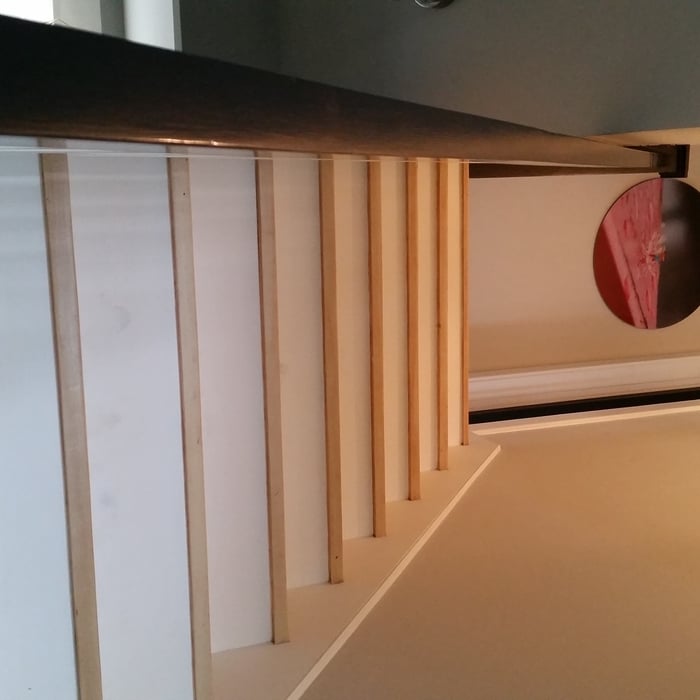
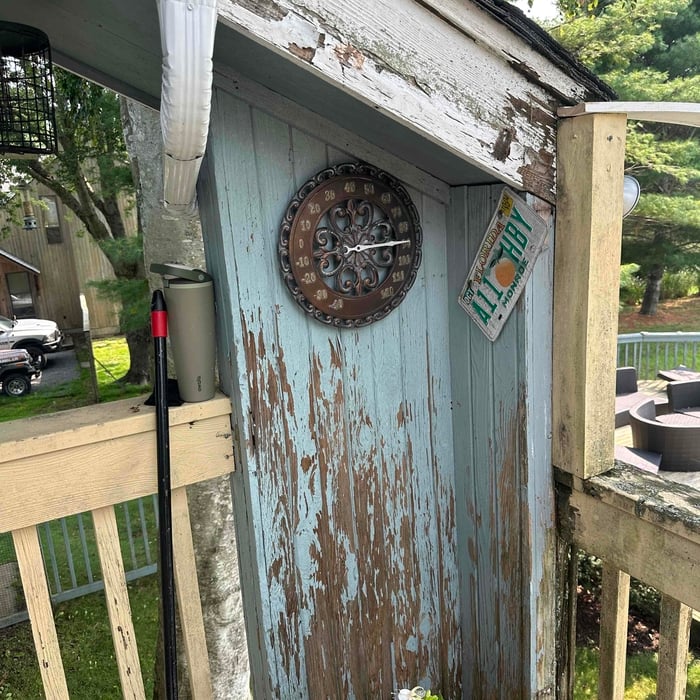
"We were extremely happy with the outdoor shower this contractor installed for us. The workmanship is excellent and the finished shower looks beautiful. Michael Pedone was professional, reliable knowledgeable and paid close attention to every detail from start to finish We would highly recommend this contractor."
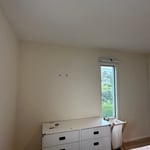
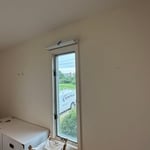
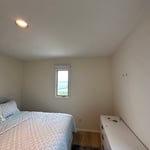
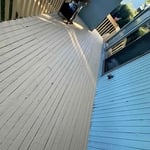
Additional photos
Additional photos
Additional photos
Additional photos
Additional photos

+122

12 neighbors recently requested a quote
Recommended by58%of homeowners
...
Showing 1-10 of 341
Drywall questions, answered by experts

The two most common drywall thicknesses for ceilings are 1/2-inch and 5/8-inch. For most standard residential applications, 1/2-inch drywall is sufficient and widely used. It provides adequate support and is lighter and easier to handle during installation compared to thicker sheets. However, 5/8-inch drywall is often used for specific cases where additional benefits are needed. It is heavier but provides superior sound dampening and fire resistance. You should consider using 5/8-inch drywall for ceilings in commercial buildings, between a garage and a living space, or above a finished basement to meet building codes or for enhanced soundproofing.

Plaster itself has a higher R-value than drywall. However, there are other considerations surrounding plaster and insulation. As a general rule, it's easier to obtain consistency in insulating value and quality when working with drywall rather than plaster. Plaster walls often don't contain any insulation behind the wall covering by design, and careful evaluation is necessary when choosing to add it.

When sanding drywall mud, you’re going to create a very fine dust that may contain silica. Silica dust contains crystalline silica, which can cause long-term illnesses for people who inhale it in significant quantities. Wear a mask while sanding drywall. Then dampen a drywall sponge to wipe the dust off the drywall, helping to reduce the amount of dust that may become airborne.

A common cause of separation between a wall and the ceiling is truss lift—this can happen to the ceiling of rooms directly under the attic when the seasons change and wood building materials dry out, shrink, and shift. Roof trusses often dry out at different speeds, and if the bottom pieces dry out faster than the top pieces, they can shrink and pull the attached drywall away from ceilings and walls, causing cracks. Fortunately, truss lift is only a cosmetic problem, not a structural problem, and you can fix it by separating the ceiling drywall from the roof trusses, and patching the cracks.

Yes, any parts of drywall that are wet or overly moist will need to be replaced. Drywall is intended to be dry (it’s in the name, after all.), as excess moisture can lead to mold and mildew and eventually corrode your home’s foundational building pieces. Do regular inspections in your home to make sure all your plumbing is intact and in good condition—this will go a long way toward preventing leaks.

The Sag Harbor, NY homeowners’ guide to drywall services

From average costs to expert advice, get all the answers you need to get your job done.