

Top-rated excavation pros.

Get matched with top excavation pros in Virgil, NY

Enter your zip and get matched with up to 5 pros

Need a pro for your excavation project in Virgil, NY?

Select your specific project to find the pro for you.

Find Excavation pros in Virgil

Avatar for Miller Concrete and Excavation
Miller Concrete and Excavation
5.0(
28
)
Building Site - Preparation and ClearingLandscape - Minor Grading or ReslopingExcavation - Major Grading or Resloping+2 more

Serving Virgil, NY and surrounding areas

Approved

In business since 2017

Free estimates

Credit card accepted

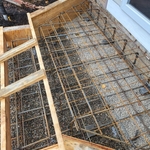
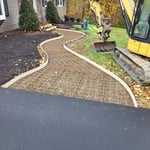
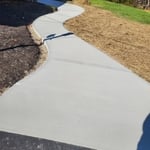
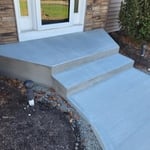
"????? Great Experience with Miller Concrete & Excavation We hired Miller Concrete & Excavation for a residential concrete project and couldn?t be happier with the results. Ian and his crew were professional, on time, and did excellent work. The concrete looks great and the job site was left clean. If you want quality work from a contractor you can trust, I highly recommend Miller Concrete & Excavation / Miller Construction Group."

Concrete
157 neighbors recently requested a quote
Recommended by52%of homeowners
Lucas Excavation
3.0(
2
)
Building Site - Preparation and ClearingBuilding Site - Preparation and Clearing - For BusinessExcavation - Major Grading or Resloping+2 more

Serving Virgil, NY and surrounding areas

Approved

In business since 2012

Free estimates

Customers say: Quick response

"Lucas Excavation did a great job. I had a five star experience using this company. Jeff was very easy to work with. All aspects of project were done to my exact specifications."
Response time1 day
Recommended by100%of homeowners
Avatar for Lawton Land Management
Lawton Land Management
5.0(
1
)
Building Site - Preparation and ClearingBuilding Site - Preparation and Clearing - For Business

Serving Virgil, NY and surrounding areas

Approved

Emergency services offered

Small jobs welcome

Credit card accepted

At Lawton Land Management, we specialize in professional forestry mulching and land clearing services for residential, commercial, agricultural, and recreational properties. Whether you're reclaiming overgrown land, clearing brush and small trees, creating trails, improving hunting property, or preparing a site for future use, we have the equipment and experience to get the job done right.\nAs a veteran-owned and operated business, we take pride in providing dependable service, honest communication, and quality workmanship on every project. Our forestry mulching process efficiently clears unwanted vegetation while leaving behind a natural layer of mulch, eliminating the need for burning or large debris piles.\n\n

Pre Removal
Post removal
2 neighbors recently requested a quote
...
Showing 1-10 of 76
Excavating questions, answered by experts

Yes. A metal detector is one of the quickest and easiest ways to find your septic tank. However, metal detectors can be too expensive (costing upward of $300 in some cases), and not everyone has a metal detector just lying around. If that’s the case for you, you can also take a long metal rod and poke it into the ground at regular intervals until you hit something—likely your septic tank lid.

There are many ways to cut through roots when digging, especially if your trencher doesn’t seem to be removing the roots. First, use a shovel to expose the roots. Then, use gardening shears to clear out smaller roots or a reciprocating saw to remove larger plant roots. If you plan on keeping the plant, avoid cutting any roots over 2 inches thick.

Trenches are typically 12 to 24 inches deep and 8 inches wide. However, the required depth depends on the specific project and local ordinances. For example, a French drain may need to be 18 inches deep, while a water pipe might require a depth of 24 inches and a drainage pipe 36 inches. Your city or county may have specific regulations, so it's wise to consult with an excavation professional to determine the correct depth for your project.

In the United States, a depth of 36 inches (three feet) for underground water lines is the accepted industry standard. This depth varies from location to location based on local conditions. In areas with colder winters, they may be buried deeper to prevent frozen well water pipes : This is usually at least six inches below the frost level. The International Plumbing Code calls for a minimum of 12 inches below grade.

The best method for digging a trench depends on the scope of the project. For a short, shallow trench (less than 2 feet deep) in light, soft soil, digging by hand may be sufficient. However, digging by hand is labor-intensive, so consider the effort required. A machine trencher is the better option for longer trenches (over 100 feet), deeper ones, or when dealing with difficult soil conditions, such as rocky or hard ground, or obstructions like tree roots. A machine can save significant time and energy in these situations.

The Virgil, NY homeowners’ guide to excavation services

From average costs to expert advice, get all the answers you need to get your job done.