

Top-rated excavation pros.

Best excavation pros near Locke, NY

Enter your zip and get matched with up to 5 pros

Need a pro for your excavation project in Locke, NY?

Select your specific project to find the pro for you.

TRUSTED BY LOCKE, NY HOMEOWNERS

  • Average homeowner rating star icon4.9
    Average homeowner rating
  • Verified reviews icon11
    Verified excavation services reviews

Top-Rated Excavation pros in Locke - Updated Nov 2026

Avatar for Miller Construction Group
Miller Construction Group
5.0(
32
)
Building Site - Preparation and ClearingLandscape - Minor Grading or ReslopingExcavation - Major Grading or Resloping+2 more

Serving Locke, NY and surrounding areas

Approved

In business since 2017

Free estimates

Credit card accepted

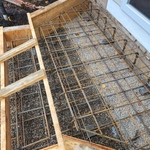
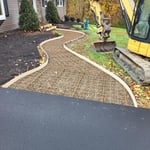
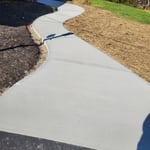
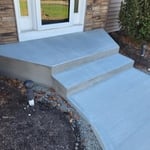
"????? Great Experience with Miller Concrete & Excavation We hired Miller Concrete & Excavation for a residential concrete project and couldn?t be happier with the results. Ian and his crew were professional, on time, and did excellent work. The concrete looks great and the job site was left clean. If you want quality work from a contractor you can trust, I highly recommend Miller Concrete & Excavation / Miller Construction Group."

Syracuse university
Syracuse university
Syracuse university
Syracuse university
Syracuse university

+1

78 neighbors recently requested a quote
Recommended by44%of homeowners
Lucas Excavation
3.0(
2
)
Building Site - Preparation and ClearingBuilding Site - Preparation and Clearing - For BusinessExcavation - Major Grading or Resloping+2 more

Serving Locke, NY and surrounding areas

Approved

In business since 2012

Free estimates

Customers say: Quick response

"Lucas Excavation did a great job. I had a five star experience using this company. Jeff was very easy to work with. All aspects of project were done to my exact specifications."
Response time1 day
Recommended by100%of homeowners
...
Showing 1-10 of 70
Excavating FAQs, answered by experts

Excavation and grading are both generally necessary for designing your foundation, and leveling the ground where your foundation will go. These steps can also prepare the area by removing vegetation and anything else that could interfere with your home’s foundation.

Yes, trenchers can go through gravel. Gravel is made up of smaller, softer rocks that certain trenchers are able to cut through. Just be sure to use a rock wheel trencher or chain trencher, both of which are made to cut through rocky landscapes and gravel pathways without dulling the teeth or chain.

Water lines are buried at various depths, depending on the type of line. For example, most sprinkler lines are buried between four and 12 inches underground. On the other hand, water mains usually sit between one and 3 feet below ground. However, they can go even deeper in cold climates to prevent freezing.

There are several methods to hollow out a tree stump, and the best one depends on your tools, experience, and priorities. Common methods include using a chisel and hammer, a chainsaw, or burning.

  • Chisel and Hammer: This is often considered the easiest approach for those with limited tools or experience, though it is the most time-consuming.

  • Chainsaw: Using a chainsaw is the fastest method, but it comes with significant safety risks, especially for inexperienced users.

  • Burning: This can be an effective method, but it is not recommended unless you can first drill holes into the stump. Without holes, the stump will be difficult to light and may not burn completely through.

A power drill with at least a ⅜-inch diameter bit can make the job quicker and easier, regardless of the primary method. While you can use a chisel or chainsaw without a drill, it will require more time and effort. Always wear protective goggles and thick gloves, as splinters are an inevitable risk.

Trenching and boring are two distinct methods for installing underground utilities. Trenching involves digging a channel using equipment like an excavator, trencher, backhoe, or shovel. While it is a simpler process, it causes significant disruption to the surface, landscaping, and surrounding ecosystems.

Boring, also known as directional boring, is a less invasive alternative that uses a drill to create a tunnel for utility lines without disturbing the surface. This method is more precise and is ideal for installations that need to go underneath buildings, roads, or bodies of water. Although boring is less disruptive, it is generally more expensive than trenching.

The Locke, NY homeowners’ guide to excavation services

From average costs to expert advice, get all the answers you need to get your job done.