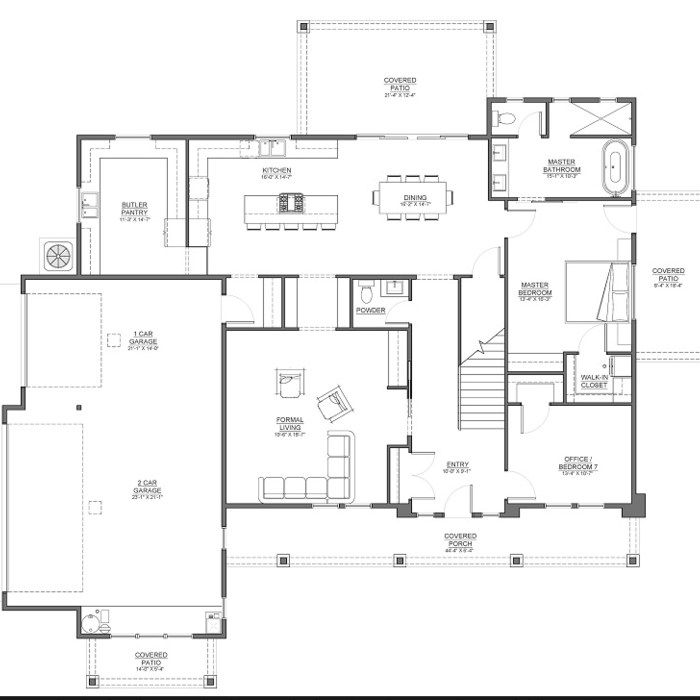





Top-rated structural engineers.

Get matched with top structural engineers in Vienna, NY

Enter your zip and get matched with up to 5 pros

Need a pro for your structural engineering project in Vienna, NY?

Select your specific project to find the pro for you.

Find Structural engineers in Vienna

Avatar for Northshore Engineering and Design
Northshore Engineering and Design
4.9(
5
)

Serving Vienna, NY and surrounding areas

In business since 2012

Emergency services offered

Small jobs welcome

"Northshore responded quickly to our inquiry and was able to complete the structural analysis we needed within a week. We received our report quickly. Everything was thorough and professional."
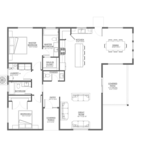
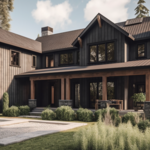
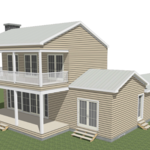
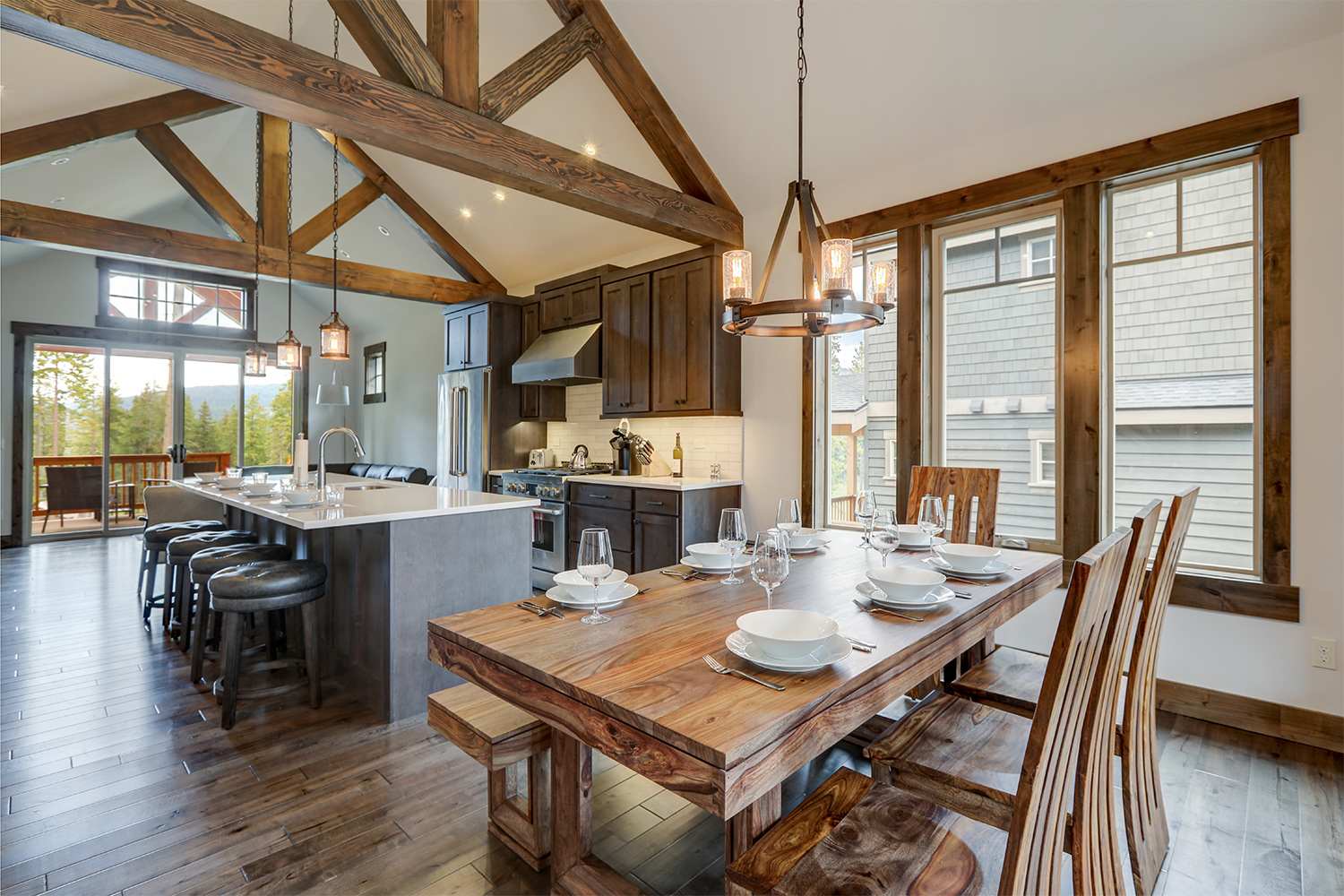
Chalet
Chalet
Chalet
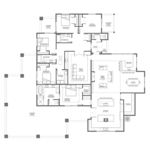
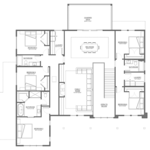
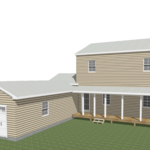
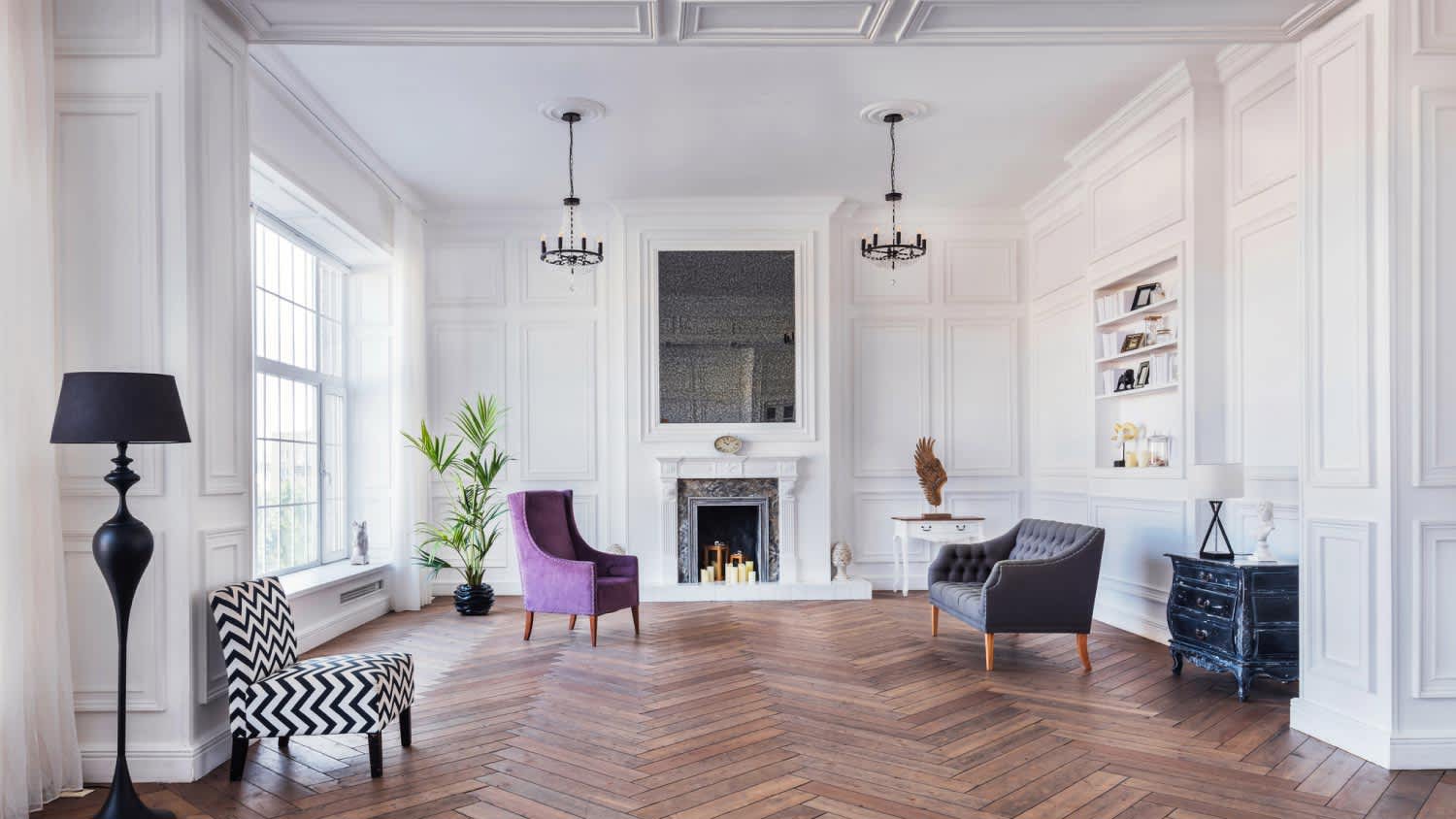
Colonial
Colonial

+29

Response time1 day
Recommended by100%of homeowners
Structural Engineering questions, answered by experts

Structural engineers typically conduct inspections during a home sale or renovation, looking for signs of structural damage in various structures throughout the building, such as load-bearing walls, joists, beams, roofing trusses, foundations, and chimneys. Some of the warning signs that structural engineers check for include:

  • Dry rot

  • Infestation

  • Shifting or cracking foundations

  • Erosion

  • Water damage

  • Sagging, shifting, or damaged walls, ceilings, or roofing support

Yes, walls on the top floor can be load-bearing if stacked on the floor’s foundation.

Most load-bearing walls are exterior, though they can also be interior.

You need to hire a structural engineer when building or modifying any component with a structural load in your home. Common situations where you would need a structural engineer include home inspections when buying or selling a home, investigating possible issues with your foundation, beams, load-bearing walls, or chimneys, breaking ground on a new home or structure on your property, and renovating an old part of your home that could threaten any structural integrity. Home additions and bump-outs also require an engineer.

In framing, studs are placed at 16-inch intervals to coincide with the typical spacing of wall materials such as drywall or plywood. This spacing is called "on-center" and is necessary for maintaining structural stability and efficient use of materials. The 16-inch spacing also helps to distribute the weight evenly across the building's structure. For those looking to cut material costs and improve energy efficiency, 24-inch stud spacing can be employed through a method called "advanced framing". This requires careful planning and adherence to local building codes to ensure structural integrity.

The Vienna, NY homeowners’ guide to structural engineering services

From average costs to expert advice, get all the answers you need to get your job done.

What do you need done? We’ll find top pros.
  • 🌱 "Mow a small front yard"
  • 🛠 "Fix a leaking pipe under the sink"
  • 🏠 "Repair shingles on an asphalt roof"