




Top-rated paving pros.

Get matched with top paving pros in Vienna, NY

Enter your zip and get matched with up to 5 pros

Need a pro for your paving service project in Vienna, NY?

Select your specific project to find the pro for you.

Find Paving pros in Vienna

Avatar for Stonewurks
Stonewurks
4.3(
8
)
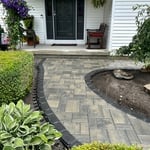
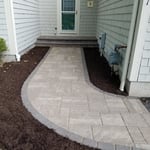
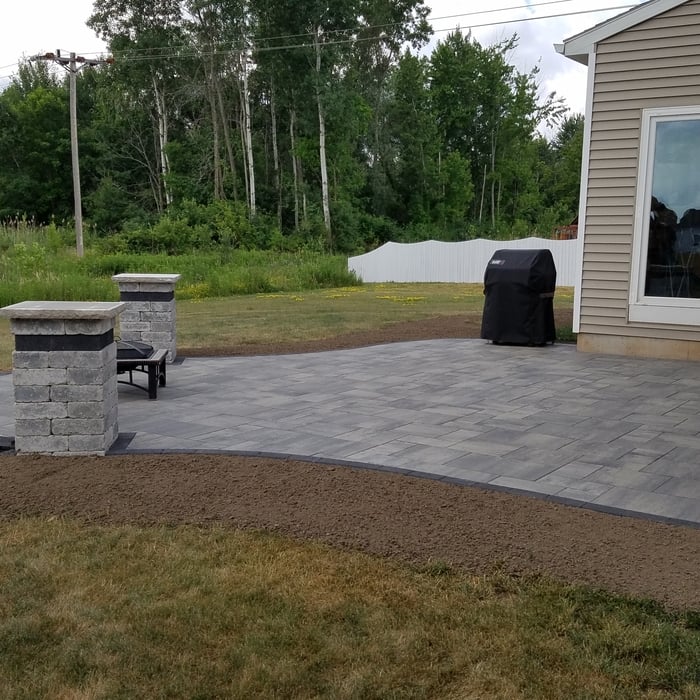
Interlocking Pavers for Patios, Walks & Steps - Install

Serving Vienna, NY and surrounding areas

Approved

In business since 2005

Free estimates

Customers say: True professional

"We gave Jeff a deadline, as we had vacation renters arriving. Through all of the rain and terrible conditions he was able to get the work done on time. He cleaned up every day and our wall and site looks great now. Thanks Jeff! Mark W"
Cicero patio
Cicero patio
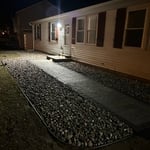
Baldwinsville walkway
Minoa patio

+28

Response time3 days
Recommended by83%of homeowners
Avatar for AJM LAND PROS LLC
AJM LAND PROS LLC
5.0(
5
)
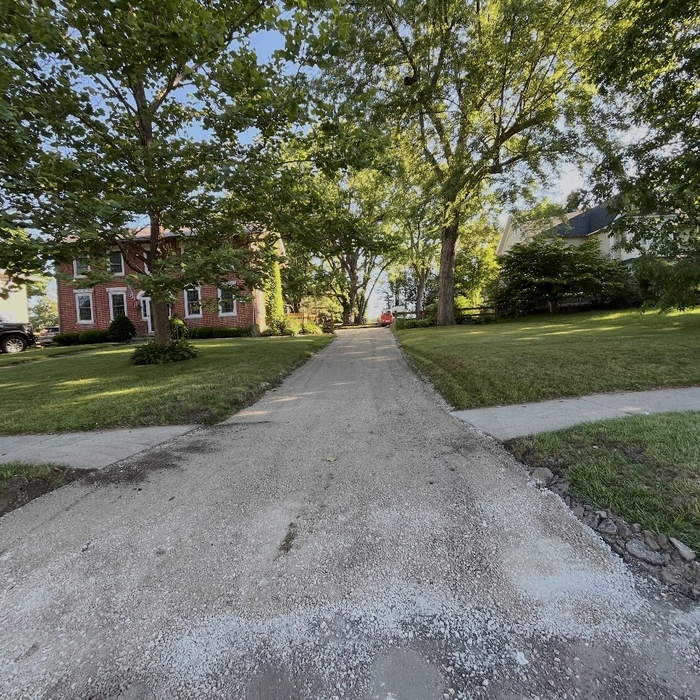
Gravel or Loose Fill Paving - Install, Spread or Scrape

Serving Vienna, NY and surrounding areas

Approved

In business since 2025

Credit card accepted

Offers commercial services

"This business is built on customer service and getting the job done right, very pleased with the work that was done which included a few stumps removed and brush clearing and grading for a driveway. I would recommend this business to anyone who wants the job done right in a timely manner. 10/10 experience."
15 neighbors recently requested a quote
Avatar for LanzScapes
LanzScapes
3.0(
2
)
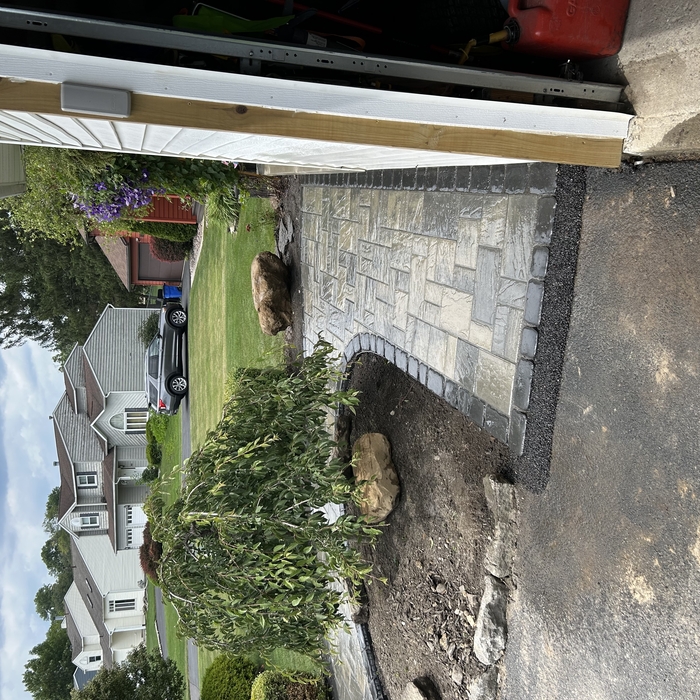
Interlocking Pavers for Patios, Walks & Steps - Install

Serving Vienna, NY and surrounding areas

Approved

In business since 2020

Free estimates

Credit card accepted

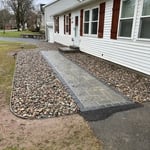
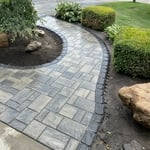
"Ryan did a great job with communication throughout the project. He worked with us when we decided to add our front walkway and an overlay and new front step on our front porch. The results were amazing! They did a fantastic job!"
Response time4 days
23 neighbors recently requested a quote
Recommended by100%of homeowners
Showing 1-10 of 45
Paving Services questions, answered by experts

Wet cutting is usually the preferred method. It controls dust, which helps protect your lungs and makes for a cleaner working environment. Plus, the water cools the blade, preventing overheating and prolonging its life while providing smoother, more precise cuts. The downside is the mess—water and asphalt sludge can be messy to clean. Dry cutting, though convenient if water isn’t available, creates a lot of dust, which can be harmful. This also increases the risk of blade damage due to overheating. So, if you have the option, wet cutting is the better method for most asphalt jobs.

While blacktop is a type of asphalt, the terms should not be used interchangeably, as not all asphalt qualifies as blacktop. The primary differences are in their composition, production process, and ideal applications. Blacktop contains more stone than other types of asphalt and is heated to a higher temperature during production—300°F or more—while hot-mix asphalt is heated to between 275°F and 300°F. The ratio of bitumen (a tar-like crude oil) is a key differentiator, though sources vary: some state blacktop has less bitumen, making it less durable, while others claim it has a higher ratio. Due to these differences, asphalt is generally more durable and better for high-traffic areas like highways and streets, while blacktop is more suitable for playgrounds and residential driveways. For a driveway project, it is best to consult a professional to determine the most appropriate material.

The best way to stop your pavers from sinking is to ensure you've properly compacted the base layers. Use your paver compactor and work over the base layer several times to create the hardest possible base. If the soil and sand of your base are compact, you’ll experience less shifting and sinking.

Yes, using recycled asphalt millings is an eco-friendly alternative compared to concrete. Millings are reclaimed pieces of gravel that are recycled into aggregate that can be used on driveways, patios, walkways, basketball courts, tennis courts, and more.

Asphalt and tarmac are not the same thing. Traditional tarmac, short for tarmacadam, uses tar as a binder to hold crushed stone together. Asphalt uses bitumen—a byproduct of crude oil—to bind aggregate. Though tarmac was once a go-to for roads, asphalt has become the modern standard. And these days, most surfaces referred to as “tarmac” are actually asphalt. So, while the names may overlap, the key distinction lies in the binder—tar for tarmac and bitumen for asphalt.

The Vienna, NY homeowners’ guide to paving services

From average costs to expert advice, get all the answers you need to get your job done.