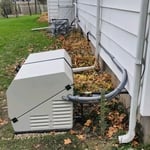
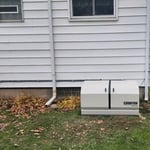
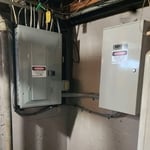
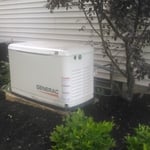
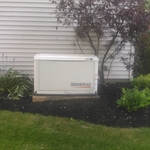
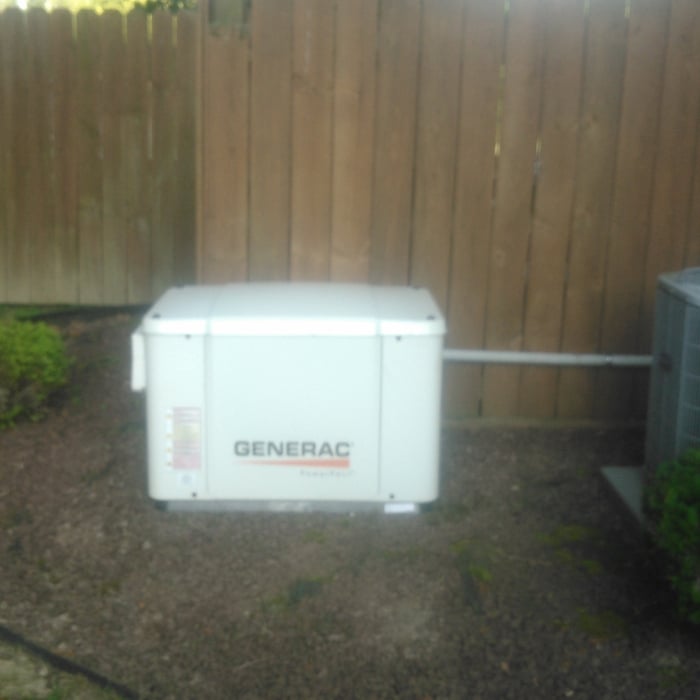
"We really like the professional job done by Paul, James III and Nate, they answered all our questions and explained everything to our understanding. They are no doubt well-trained in their field and dedicated to the reputation of the company. Kudos to our saleperson Tom, who also happens to be the president. We had on-location visits from 3 companies to have a whole-house generator installed and no doubt picked the best company."
"They called promptly, set an appointment quickly and in a very short time frame, and kept the appointment flawlessly. And to my delight, got my charging station installed same day!"
"I hired them to install central air in my house they were beyond great,very fast ,very professional. No surprises,and price was extremely fair, I could not be happier Bob really knows his stuff ,very fast and efficient ,10 stars I highly recommend"
Here at Beres Electrical Services, Inc., we focus on quality electrical projects. We use our years of experience and expertise to complete your project with perfection. We are easy to work with, and get the job done right the first time. Customer service and honesty are the most important aspects of our business, and your satisfaction is our number one priority. Please call us today, for an estimate. We look forward to working with you!
"Sierra did a great job. Ran new electric and installed our Govee lights. Even took the time to help us download app on phone so we can control the lights."
South Townes electric, is committed to excellence in every aspect of our business. We uphold a standard of integrity bound by fairness, honesty and responsibility in all of our jobs. We are a locally owned and operated business with more than 15 years of experience serving Hamburg, NY and surrounding areas. There is no job too big, or too small for our team. Call today and let us put our experience to work for you!
We can take on a wide range of residential and commercial electrical projects to include full installation for additions and remodels as well as wiring/panel upgrades, LED lighting retrofits, smart home setups, and a variety of other projects. We take pride in the quality of our work and our commitment to outstanding results. We look forward to building strong, long-term relationships with our clients and guarantee your satisfaction.
While the rating will tell you how many watts the refrigerator needs at the peak of its cycle, it requires additional wattage to start. At the bare minimum, you’ll need a 1,500-watt generator to get the fridge up and running after a blackout. A 2,000-watt generator should be sufficient for most home refrigerators.
The average cost to install a home generator is $5,200, but total costs can range from $500 to $18,000 or more. The final price depends on several factors, including the generator's size, type, brand, fuel source, and the cost of labor and assembly. The generator's size is the most significant cost factor, as units that can power larger homes with higher energy demands cost more.
Cost breakdowns by generator type are typically as follows:
Portable or Emergency Backup Generators (1kW–7.5kW): $500–$2,000
To ensure you get the right size unit for your needs without overpaying, consider hiring an electrician to calculate the electrical load of your essential appliances. It is also recommended to get at least three quotes from qualified installers to find the best fit for your budget.
Generally, you’ll want to keep between 60 and 70 feet between the generator and the transfer switch. There are a few reasons for this, including:
The distance reduces the noise coming from the generator into your home.
It increases efficiency because you won’t have a voltage drop from this short of a distance.
Prevents carbon monoxide poisoning: keep at least 15 feet between your generator and an open window.
Whole-house generators can run continuously for extended periods, even for weeks at a time (around 400 to 500 hours), as long as they have a sufficient fuel supply. However, this type of extensive use will increase wear and tear and can shorten the generator's overall lifespan. During long periods of operation, it's important to check and refill the engine oil as needed, potentially as frequently as daily depending on the model. If your generator uses a fuel tank, ensure it is kept full to prevent unexpected shutdowns.
In most cases, there are no tax credits available for home generators. However, that’s a general statement that applies to federal tax credits, so you might have access to state or local tax incentives. You can check the Database of State Incentives for Renewables & Efficiency (DSIRE) for more information about your area. If you hire a reliable home generator installer, they should also know if there are any state or local perks you can use to reduce your installation costs, including tax breaks and rebates.
The Springville, NY homeowners’ guide to generator installs
From average costs to expert advice, get all the answers you need to get your job done.
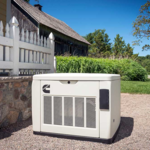
Natural gas generators are whole-home standby generators that are connected to your home’s natural gas line. The average cost for a natural gas generator is $12,000.
Generators should give you peace of mind, but you’ll only get that if your installer knows what they’re doing. Learn how to hire a pro and what red flags to look for.
Thinking about a generator installation? Learn about backup power options, costs to expect, and how to hire the right local pro to keep your home running.