"the insulation they recommended saved me about 5000kw a year. the amount of money i am saving is far more the insulation payment on my Eversource bill. No money cost to me out of pocket and my electric bill dropped quite a bit. best move i ever did."
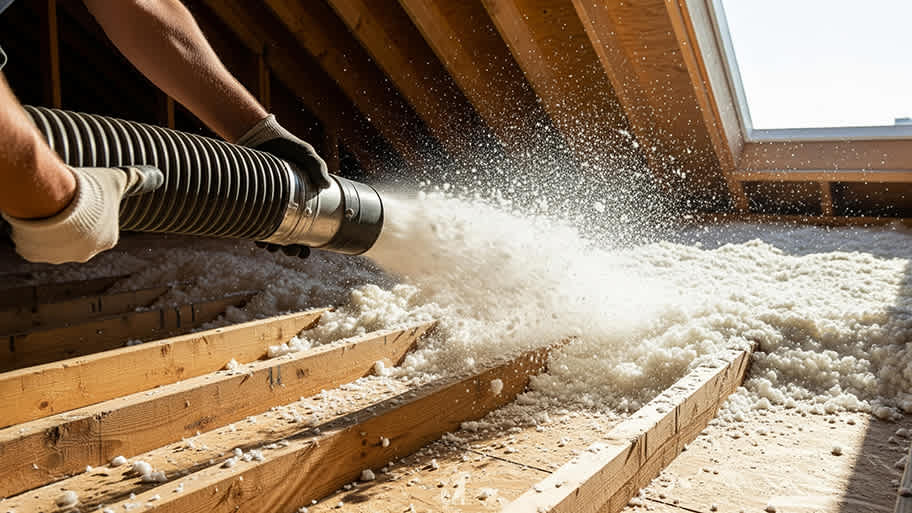
"They did a great job of blowing the insulation in my attic. They were efficient and courteous of our needs very happy with the work performed. I would highly recommend it. I will be calling them to insulate my walls this spring."
"Easy company to work with. In our large crawl space a few spots were missed. One call and the crew was back in 2 days to do touch up. Note that this was difficult work-lying on your back spraying above you with respiratory & eye protection so to miss a few spots might be expected as well as how insulation expands. They did great job removing old batt insulation Filled w mouse poop"
"Stu and his team did an excellent job. They were very professional and quickly, efficiently and cleanly put new blown insulation on the attic floor of my old house. He also explained clearly how the insulation works, the R values and benefits. Thank you Discount Insulation."
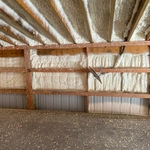
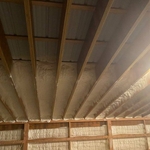
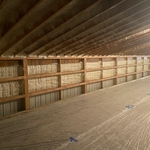
"High quality work, timely, responsive and professional. Insulation, sheet-rocking and some electric for large freestanding garage. Would hire them again for other jobs."
"Hugo was the second of three contractors to show for an estimate from Home Advisor. He made the most sense on what I should have insulated and why. He also gave me the best price of all three."
"I contacted Fausto from Tigasi Insulation to discuss a project in my basement. He arrived on time, and from the beginning, I could tell that he was a professional who takes pride in his work. At the end of the job, Fausto personally asked me to inspect the work that had been completed. I was very impressed with the quality of his work and the excellent job he did. I highly recommend Fausto and Tigasi Insulation to anyone looking for professional and reliable service. Thank you, Fausto, for the great work!"
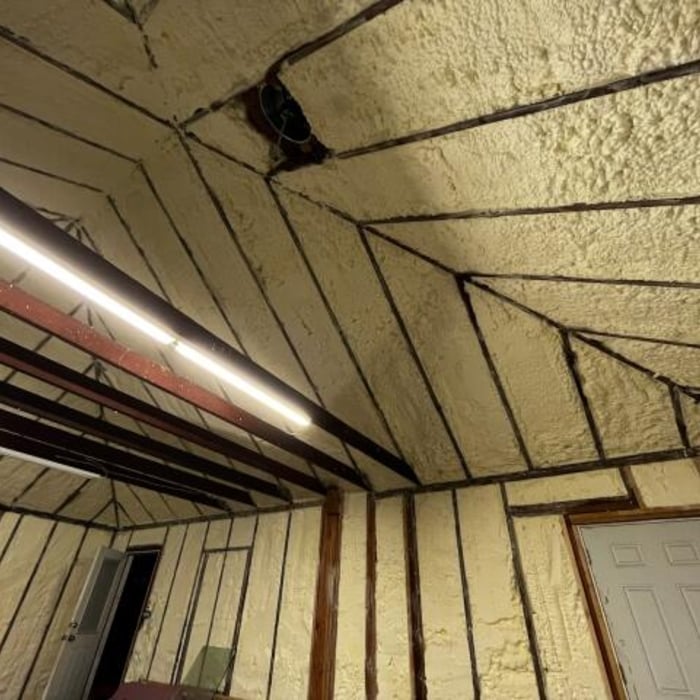
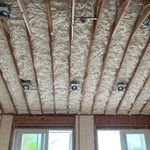
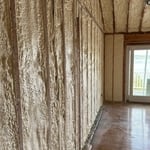
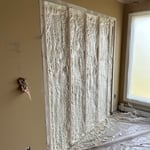
"I recently had the pleasure of working with Energy Evolution for a spray foam insulation job, and I couldn’t be more impressed. Their main technician Cristian, was professional, knowledgeable, and incredibly thorough from start to finish. He took the time to explain the process, answered all my questions, and made sure every detail was handled with precision.
If you’re looking for someone who is reliable, skilled, and committed to doing top-notch work, I highly recommend them. Thank you for a job exceptionally well done!"
"I don’t know why anyone would hire anyone else. Anthony is courteous/responsive, knows insulation cold, was quick to provide estimates and service and is smart about his hires, with net results—great workmanship at a very fair price."
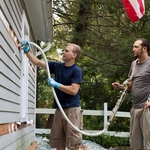
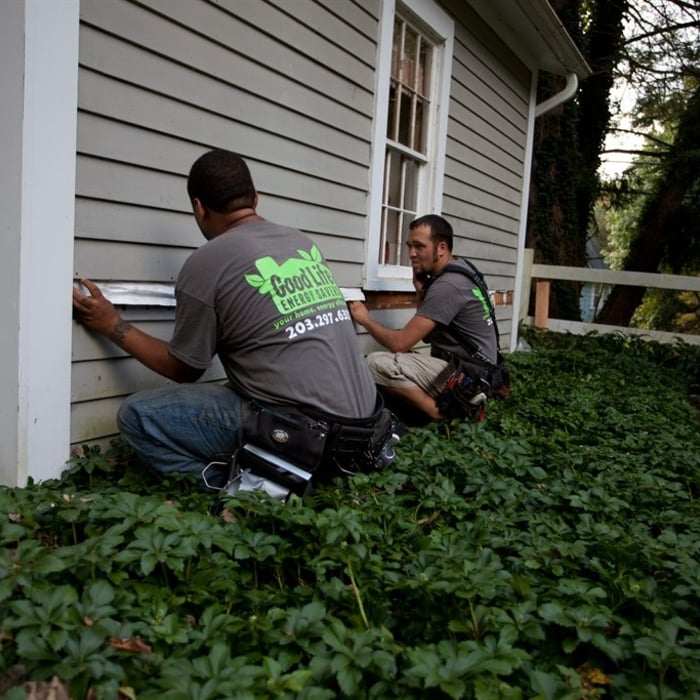
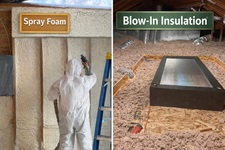
It is possible to insulate your walls without removing drywall, but it’s not a good idea to attempt the work yourself. A professional can use blown-in insulation or spray foam insulation to fill wall voids without opening up the walls, and the option they use typically depends on your climate and whether or not there’s insulation in your wall already that can remain in place. Spray foam insulation costs more and isn’t always a viable option, but it’s a better insulator. Call in an expert to help decide which is right for you.
On average, insulating an attic costs about $2,500, with a typical range of $1,500 to $3,500. The final price often depends on the attic's size, with costs generally falling between $1 to $3 per square foot. For example, insulating a 1,800-square-foot attic would likely cost between $1,800 and $5,400.
If the project involves removing old insulation, this can add an average of $900 to the total cost, bringing a full removal and reinsulation project to around $3,000.
Several factors influence the overall cost:
Insulation Type: Prices per square foot vary significantly by material.
Reflective: $0.50–$1.50
Blown-in: $1–$4
Batt: $2–$4
Loose-fill: $2–$5
Spray foam: $2–$5
Structural insulated panels (SIPs): $4–$7
Project Complexity: Factors like sealing air leaks, poor attic accessibility, and required inspections can add to the cost.
Removal Issues: The discovery of mold, asbestos, or pests during the removal of old insulation can substantially increase the price.
Not necessarily. A higher R-value simply means that the insulation has a higher heat resistance and performs better in terms of how much heat passes through the material. This can be better for some homes, or it can be too high of an R-value for other homes. Again, your climate zone determines whether the insulation is better for your home.
Heavily exceeding building code requirements for insulation not only wastes money on materials but can also lead to ventilation and moisture problems. In most cases, the minimum amount of insulation required by code is perfectly adequate.
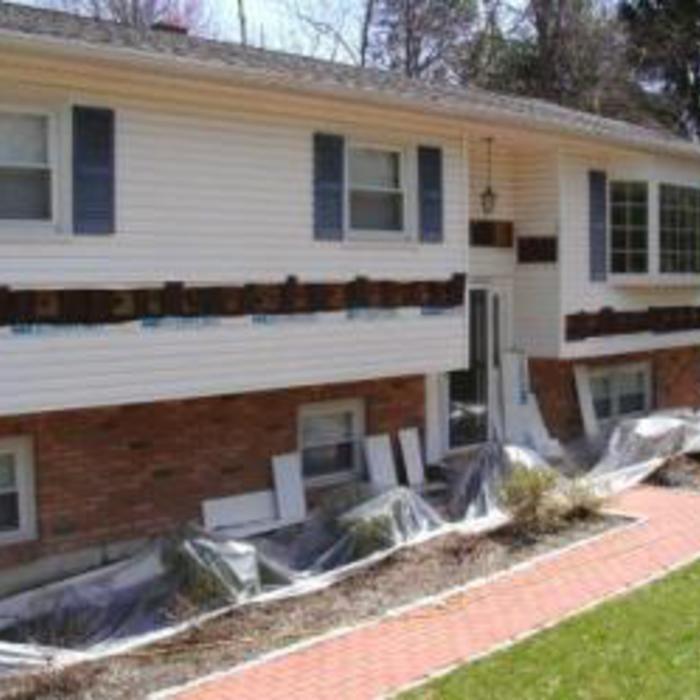
Traditional clapboard siding, particularly with panels made from wood, is not a significant insulator on its own. However, you can keep your home cooler in summer and warmer with "insulated clapboard siding," which is a type of vinyl clapboard siding with a built-in foam insulation. Consult a local siding contractor to determine whether insulated siding is right for your home.
The Scarsdale, NY homeowners’ guide to insulation services
From average costs to expert advice, get all the answers you need to get your job done.
Insulating your attic can improve your home’s efficiency and reduce electric bills. Use this guide to find out what attic insulation will cost you in New York, NY.
Attic insulation removal costs in New York, NY, vary based on multiple factors, including why you're removing it and how easy it is to complete the task.
New insulation makes your home more comfortable and boosts energy efficiency. Use this guide to budget for insulation installation costs in New York, NY.
Learn how to decide if your home needs dryer vent insulation to protect your vent from drafts and moisture that can make your energy usage less efficient. Poorly ventilated dryer vents also increase mold risks!
The cost of blown-in insulation in New York, NY varies depending on the type of insulation, labor, prep work, and more. Learn more about the cost factors in this guide.