

Top-rated lead testing and removal specialists.

Get matched with top lead testing and removal specialists in Ripley, NY

Enter your zip and get matched with up to 5 pros

Need a pro for your lead testing and removal project in Ripley, NY?

Select your specific project to find the pro for you.

Find Lead testing and removal specialists in Ripley

Avatar for Qualtek Testing Group, LLC
Qualtek Testing Group, LLC
4.3(
22
)
Toxic Lead - AbatementToxic Lead - Testing

Serving Ripley, NY and surrounding areas

Approved

In business since 2013

Free estimates

Emergency services offered

"Very knowledgeable and experienced. Qualtek helped me from start to finish when I had to demolish my garage. I had no clue there were so many requirements for pre-demo but Mike and his team walked me through everything quickly and efficiently."
Response time11 hrs
53 neighbors recently requested a quote
Recommended by82%of homeowners
Eagle View Inspections
New to Angi
Toxic Lead - Testing

Serving Ripley, NY and surrounding areas

In business since 1990

Free estimates

Credit card accepted

We take great pride in our experience, expertise, quality, and customer service that we provide to meet the consumer's needs. It is our mission to provide excellent workmanship and complete customer satisfaction, from the start to the completion of a project. In order to understand the needs and expectations of our customers, we take great care to work and communicate with every customer in a professional manner. Our reputation is based on service, safety, and quality, regardless of how large or small the job.

Lead Testing and Removal questions, answered by experts

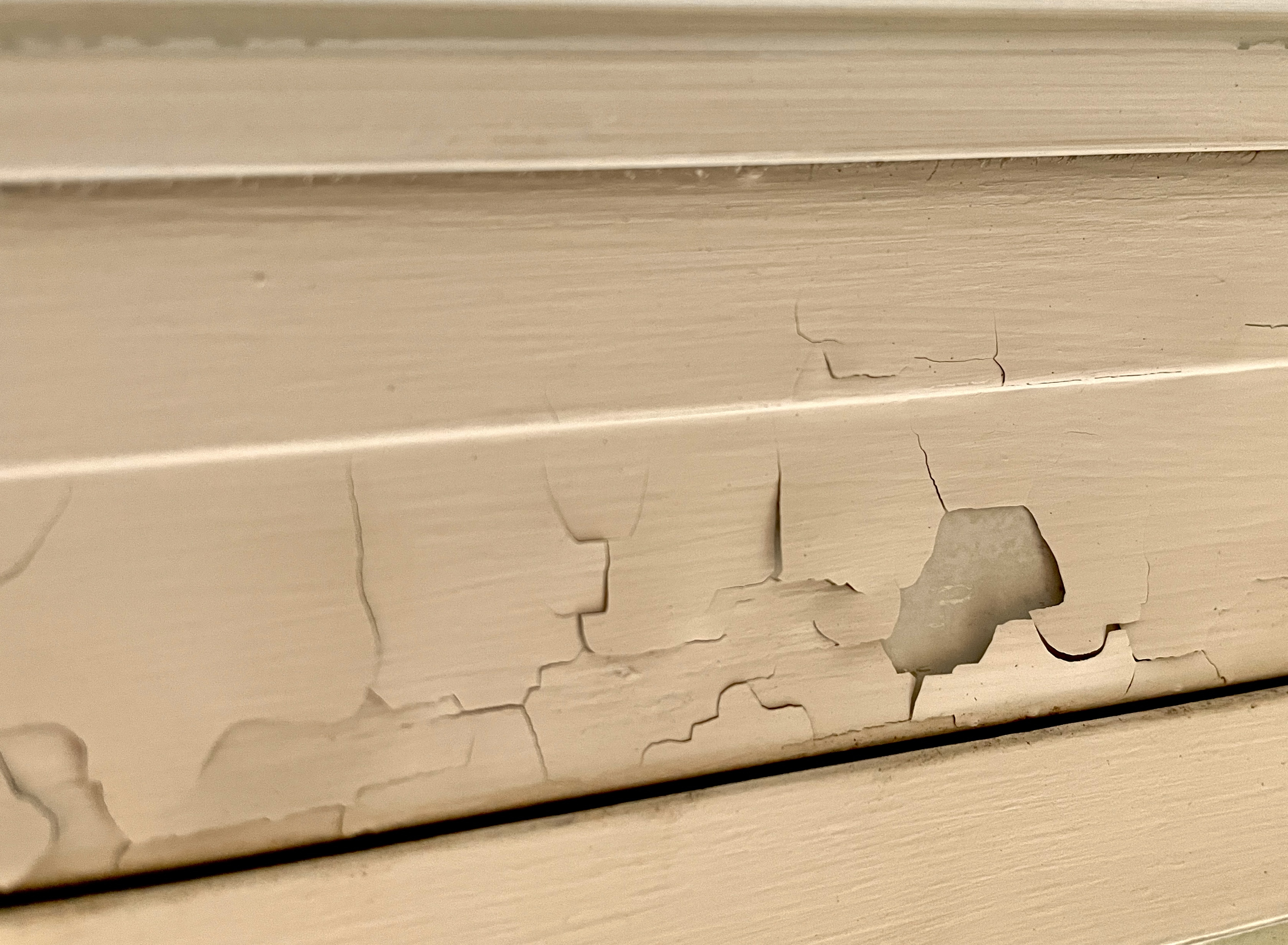
If the lead paint is in a place that is not easily disturbed and is not flaking or deteriorating, you do not necessarily need to remove it. Lead is toxic when dust particles or flakes from peeling lead paint are ingested. If people are not in the area with the lead paint, it may be safe to leave it in place. You still may want to consider encapsulation with a paint formulated for covering lead-based paint, just for an added layer of protection.

At-home lead tests can provide accurate results if used correctly, and if the kits are reputable and certified. They vary in sensitivity and methodology, influencing their accuracy. Follow instructions meticulously, ensuring proper sample collection and test execution. While they can detect elevated lead levels, for precise confirmation or if results are concerning, consider professional testing or lab analysis for comprehensive accuracy and guidance on addressing any issues.

Some causes of brown well water—like excess tannins or dissolved iron—don’t pose a health risk. In other cases, harmful bacteria might be the culprit. If your well water has suddenly turned brown, it’s a good idea to use a home water test kit to get a better sense of what’s going on with your water. Consider calling a professional for an expert opinion before drinking the water and hoping for the best.

When a surface that contains lead dust is disturbed, the dust can float about in the air for roughly an hour before settling again. Since you cannot see the dust, it is important always to wear protective gear when working with any materials that may contain lead paint and to keep children, pets, and others away from the area for as long as possible

According to the Environmental Protection Agency (EPA), hazardous waste is generally classified into four main categories:

1. Characteristic Wastes: These exhibit at least one of four hazardous traits: ignitability (flammable, like gasoline), corrosivity (can rust or decompose materials, like car batteries), reactivity (unstable and can explode, like aerosol cans), or toxicity (harmful when ingested, like lead-based paint).

2. Listed Wastes: These are specific wastes from manufacturing and industrial processes that the EPA has officially designated as hazardous. They include byproducts from processes that use solvents, pesticides, and other chemicals.

3. Universal Wastes: These are commonly generated hazardous items that are subject to streamlined regulations. Examples include batteries, pesticides, mercury-containing equipment (e.g., bulbs), and some lamps.

4. Mixed Wastes: This category includes waste that contains both hazardous and radioactive components, making it subject to regulation by both the EPA and the Nuclear Regulatory Commission.

The Ripley, NY homeowners’ guide to lead testing and removal services

From average costs to expert advice, get all the answers you need to get your job done.