


Top-rated energy efficiency auditors.

Get matched with top energy efficiency auditors in Prattsburgh, NY

Enter your zip and get matched with up to 5 pros

Need a pro for your energy efficiency auditing project in Prattsburgh, NY?

Select your specific project to find the pro for you.

Find Energy efficiency auditors in Prattsburgh

northshore pressure washing
New to Angi
Energy Audit - For BusinessHome Energy Audit

Serving Prattsburgh, NY and surrounding areas

In business since 2011

Free estimates

We are one of the largest energy consulting companies in the country. We offer Free Energy Forcasts to businesses across a wide variety of climate zones. When implemented, our recommendations can consistently save you 17-22% on your energy costs, in the first year. We offer a variety of products, from an all-inclusive fixed product, to a variable option and a hybrid. Call today to see what solutions we can offer you! References are available from very happy clients.

Avatar for 'R Factor Inc.'
'R Factor Inc.'
5.0(
2
)
Energy Audit - For BusinessHome Energy Audit

Serving Prattsburgh, NY and surrounding areas

In business since 2004

Free estimates

Credit card accepted

"Scott arrived punctually for our first meeting and thoughtfully and thoroughly analyzed our problem (mold on peak of cathedral ceiling).  He listened carefully to our thoughts and explained his analysis clearly and completely.  He provided us with examples of similar situations he had addressed, successfully, in the past. He also showed us photos of his previous work. He spent over an hour with us, answering all questions and outlining his processes.  

After we agreed to have him do the job, he provided an extensive written contract for the work.  Our lawyer reviewed the contract and made several suggestions.  Scott quickly adjusted the contract to address our lawyer's concerns.  He scheduled the work promptly and it was completed in the agreed upon time frame.  We asked for the new electrical circuit to be labelled, and Scott took care of this without additional reminders, although I don't believe this was part of his usual service. There were no add ons to the bill.

After the work, Scott responded to questions and promised referrals to mold remediation services if required.  We've called him several times with questions, and he has always responded promptly with useful answers.

We have been totally satisfied with Scott Knapp and Rfactor from start to finish and would recommend him enthusiastically and without reservation to anyone with a similar problem."
Additional Photos
Recommended by100%of homeowners
Energy Efficiency Auditing questions, answered by experts

Homeowners may qualify for an HVAC tax credit if they install an ENERGY STAR®-certified HVAC system that exceeds the energy efficiency minimum standards:

  • Split-System AC: 16 SEER2

  • Packaged AC: 15.2 SEER2 and 11.5 EER2

  • Ducted Split Heat Pump: 15.2 SEER2, 7.8 HSPF2, and 11.7 EER2 

  • Packaged Heat Pump: 15.2 SEER2, 7.2 HSPF2, and 10.6 EER2

  • Mini-Split System: 16 SEER2, 9 HSPF2, and 12 EER2

You can claim up to 30% of the cost of the job, subject to maximums.

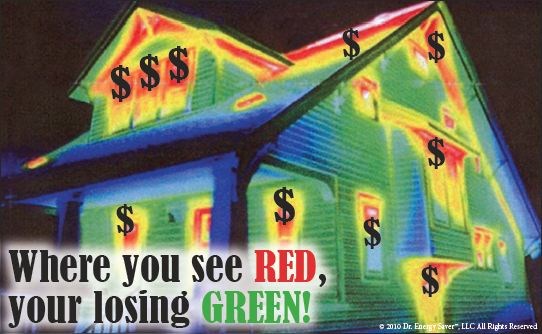
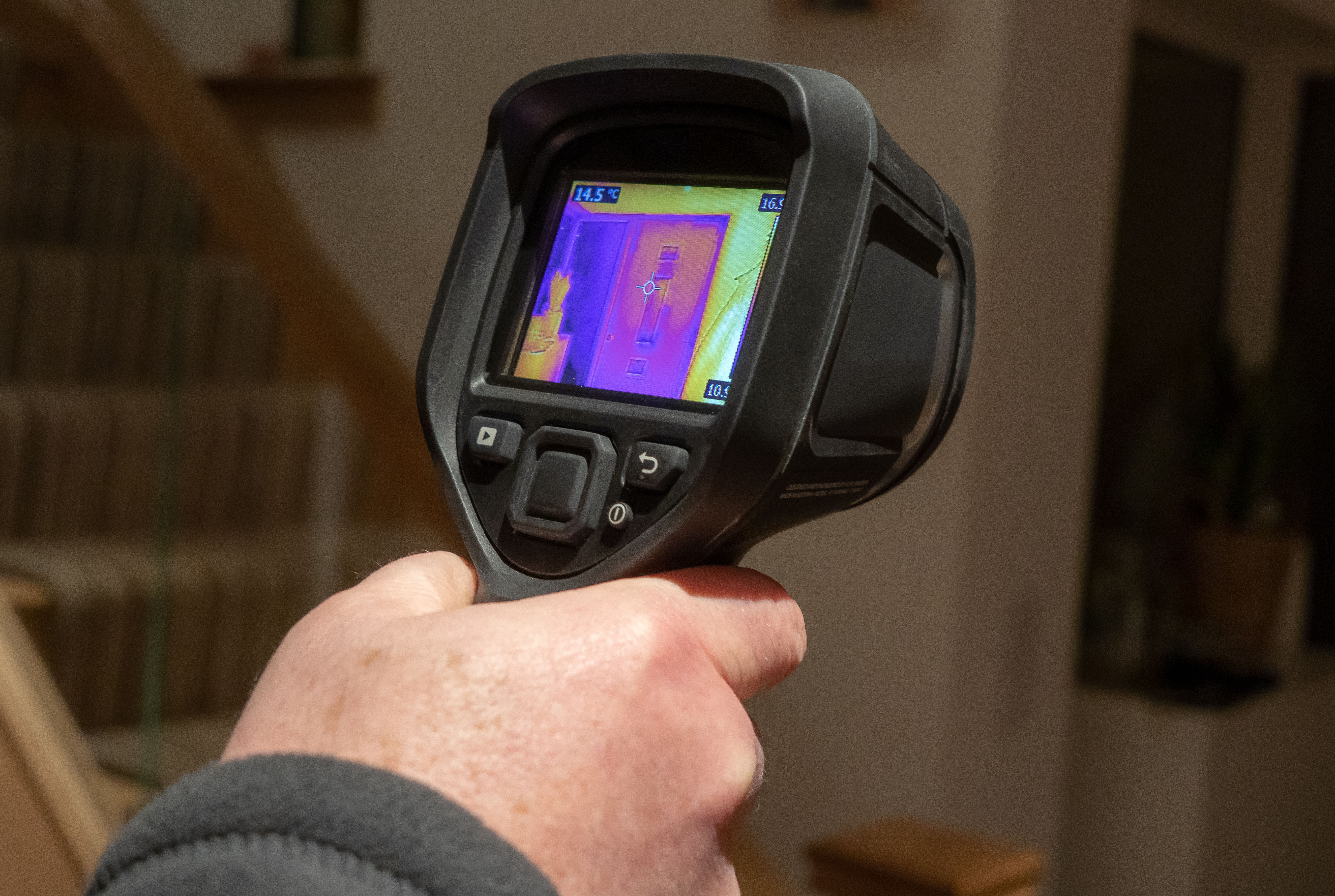
The difference between an energy auditor and a home inspector is primarily in the purpose of the inspection. The energy auditor conducts tests in your home to determine the energy efficiency levels in areas like windows, insulation, and doorways. The auditor then makes recommendations for ways to improve a home’s energy efficiency

A home inspector examines various structures of your home to determine that everything is up to code and gauge the condition of features like the roof, foundation, HVAC, and electrical. The home inspector reports on the overall home and makes repair recommendations.

Home power is measured in kilowatt-hours, commonly expressed as kWh. The average home uses between 800 and 1,000 kWh per month. Peak usage (and highest bills) occurs in the middle of summer and the depths of winter. Keeping on top of your usage during these crucial months will lower your annual average usage considerably. 

Keep the unit full but not overloaded, ensure door seals are tight, set correct temperatures, and avoid frequent door openings. Position the appliance away from heat sources for optimal performance.

R-value measures an insulation material's thermal resistance, indicating its ability to resist heat transfer. A higher R-value signifies better insulation performance because the material is more effective at slowing heat flow. The R-value depends on the type, thickness, and density of the insulation material, such as fiberglass, foam, or cellulose. Each inch of insulation typically provides an R-value between 3 and 8. There is no single universal R-value; the optimal choice depends on your climate zone. Colder climates require a much higher R-value than warmer ones to maintain energy efficiency, keep the home warm in winter and cool in summer, and manage costs.

The Prattsburgh, NY homeowners’ guide to energy efficiency auditing services

From average costs to expert advice, get all the answers you need to get your job done.