





Top-rated lawn irrigation specialists.

Get matched with top lawn irrigation specialists in Orient, NY

Enter your zip and get matched with up to 5 pros

TRUSTED BY ORIENT, NY HOMEOWNERS

  • Average homeowner rating star icon4.6
    Average homeowner rating
  • Verified reviews icon25
    Verified lawn irrigation services reviews

Find Lawn irrigation specialists in Orient

Avatar for 2 Brothers Landscaping Service
2 Brothers Landscaping Service
4.1(
14
)
Lawn and Garden Sprinkler System - RepairLawn and Garden Sprinkler System - InstallLawn and Garden Sprinkler System - Repair - For Business

Serving Orient, NY and surrounding areas

Approved

In business since 2018

Free estimates

Emergency services offered

"Amazing. I continue to hire 2 Brothers for landscaping, fencing, masonry because their price is competitive and their work is top notch. They are the most reliable company I’ve dealt with in this area of work. They are very easy to talk to and do what they say extremely well. There is never a feeling that youre not being told something that costs money later. They are upfront and reliable. Will continue to call them first on all matters of landscaping/yard work."
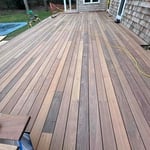
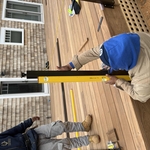
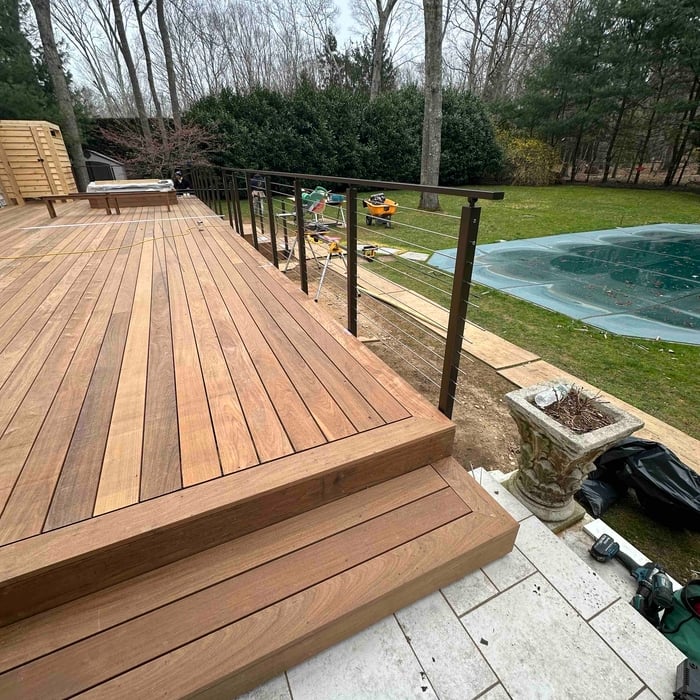
Additional Photos
Additional Photos
Additional Photos
Additional Photos
Additional Photos

+13

1 neighbors recently requested a quote
Recommended by72%of homeowners
...
Showing 1-10 of 70
Lawn Irrigation questions, answered by experts

In general, cool-season grasses such as fescue grass, ryegrass, and Kentucky bluegrass are best for creating a striped lawn. Warm-season grasses like bermuda and zoysia grass don't curl as much, so grass stripes aren't as easy to see. If you live in a climate that’s better suited for warm-season grass, zoysia grass will typically be your best option.

If you spray a DIY vinegar solution that contains high salt, it can disrupt the soil's structure and make it difficult for plants to grow. That's why it's vital to avoid spraying vinegar solution on areas where you are trying to grow plants and flowers. When using a mix of vinegar and soap, some say you can plant a few days after the vinegar dries. 

This depends on the type of grass seed, as some types do better in different environmental conditions. Cool-season grasses go dormant during the summer months when the soil temperature exceeds 65 degrees Fahrenheit. Once exposed to regular doses of heat, the germination rates decline, with seedling death not far behind. 

As for warm-season seeds, they come from tropical parts of the world and thrive in heat. They actively grow in warm air temperatures between 70 and 90 degrees Fahrenheit, and they prefer soil temperatures between 65 and 70 degrees Fahrenheit. Once temperatures dip and frost rolls in, if you don’t store them properly, warm-season grass seeds will die quickly.

There are plenty of products to help green up your grass. Try an iron supplement spray or fertilizer that is rich in nitrogen. You can also apply a thin layer of compost on top of your lawn at the beginning of spring to give the grass a nutrition boost, which helps it achieve that bright color you are looking for. 

Fescue grass is a relatively low-maintenance grass type, meaning it doesn’t require much more attention than regular watering, dethatching, and mowing. Some fescues even grow slowly enough for hard-to-reach areas, particularly those inaccessible by the mower. Following a seasonal maintenance schedule will help your fescue lawn stay green, healthy, and durable for years to come.

The Orient, NY homeowners’ guide to lawn irrigation services

From average costs to expert advice, get all the answers you need to get your job done.