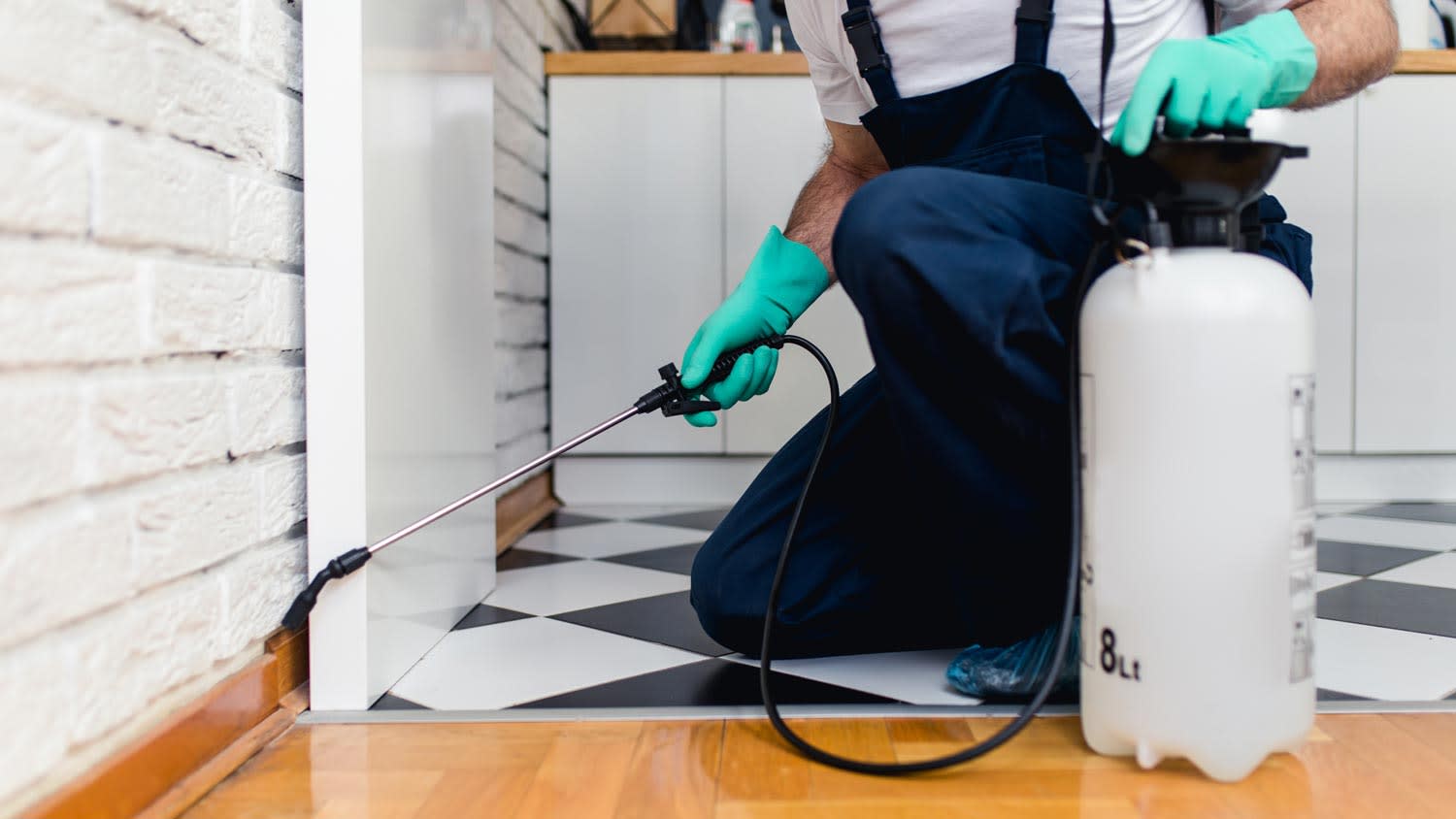
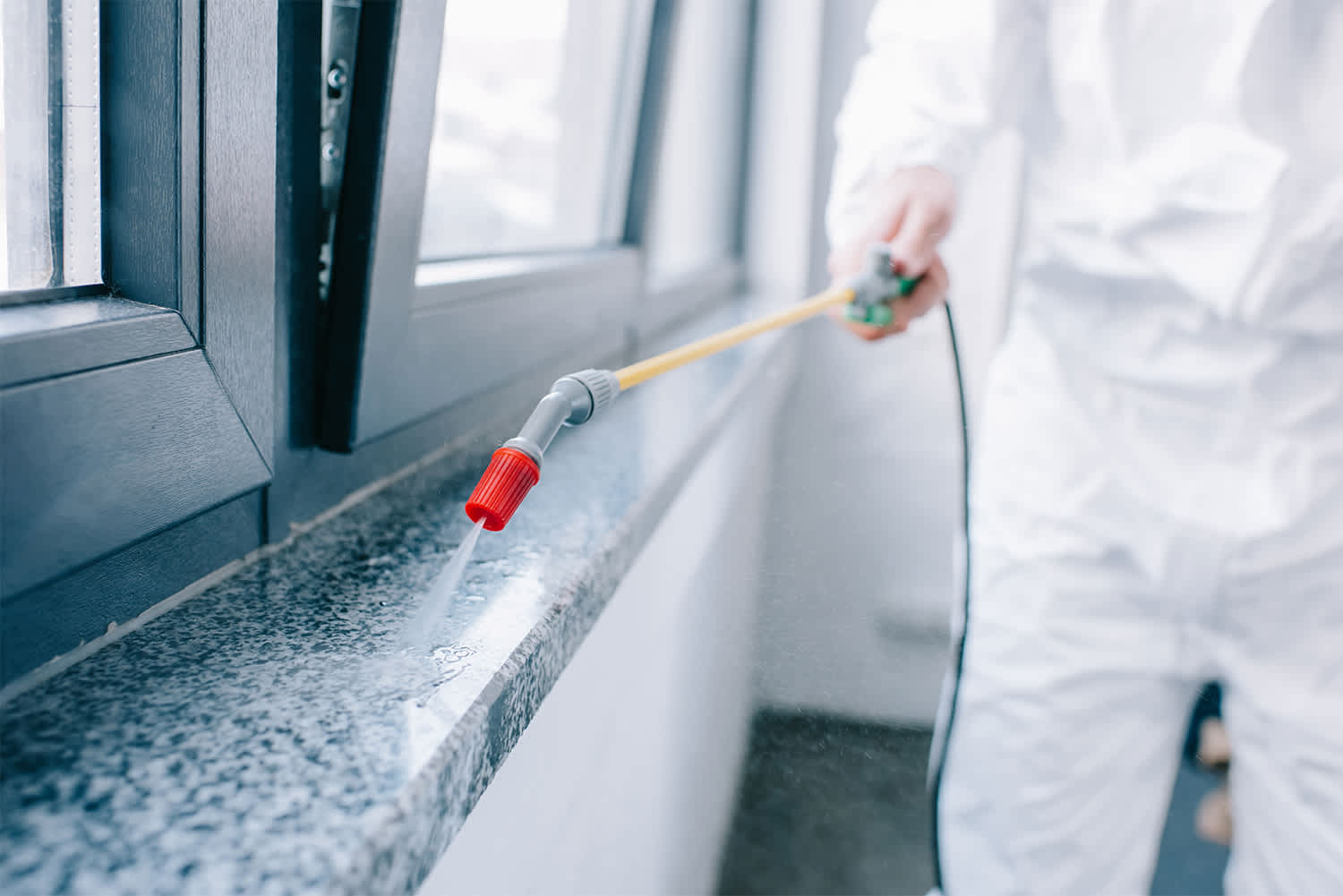
"Jerome was professional, knowledgeable, and provided the services as described. I d have no hesitation about recommending him to provide pest control services"
"Very knowledgeable guy who seem to know what he’s doing. Don’t know results of spraying. Have had much rain since. Will have to see if it worked. Terminex will spray again the beginning of next month."
Wildlife Management is committed to excellence every aspect of our business. We uphold a standard of integrity bound by fairness, honesty and personal responsibility. Our distinction is the quality of service we bring to our customers. Accurate knowledge of our trade combined with ability is what makes us true professionals. Above all, we are watchful of our customers interests, and make their concerns the basis of our business.\n
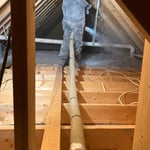
"Out of all of the businesses that I reached out to regarding general pest control concerns, including removing insulation and sealing entry points, I found AJâ  s Nuisance and Wildlife to be responsive, professional and honest. I highly recommend AJ and will hire him for future service."
If you find a tick inside crawling in the house, remember not to just step on it or try to crush it. Ticks have hard bodies and it’s hard to kill them this way. Instead, pick it up with toilet paper and flush it. You can also place it in a sealed bag, or kill it by placing it in alcohol.
A solution of vinegar and water can deter moles, but be careful about the strength of the solution. Too much vinegar can dry out and kill grass or other plants when distributed too frequently.
Adult fleas can live from a few days to about two weeks without a host. If pets are not available, fleas may feed on rodents or people. While adult fleas need a blood source to survive, flea pupae can lie dormant for up to a year in optimal conditions. Therefore, cleaning and treating the infested area is essential to prevent pupae from surviving and hatching later.
You should hire a wasp or hornet removal professional to get rid of an active or dormant hornet nest. Due to the feisty and dangerous nature of these pests, it’s best to hire a professional who has the proper skills, tools, and experience to remove a nest safely. Do not attempt to remove an active hornet nest on your own.
Ground moles are not typically dangerous. They're not known to carry rabies like many other wild animals, such as raccoons, skunks, and bats. And they don't typically bite humans, although it's possible if they feel threatened. If you do get bitten by a mole, it's best to see a physician to be safe, but most often, the bite will heal on its own unless it gets infected.
The Nedrow, NY homeowners’ guide to pest control services
From average costs to expert advice, get all the answers you need to get your job done.