





Top-rated energy efficiency auditors.

Best energy efficiency auditors near Millbrook, NY

Enter your zip and get matched with up to 5 pros

Need a pro for your energy efficiency auditing project in Millbrook, NY?

Select your specific project to find the pro for you.

Top-Rated Energy efficiency auditors in Millbrook - Updated Nov 2026

Avatar for Gabriel Hahn
Gabriel Hahn
New to Angi
Home Energy Audit

Serving Millbrook, NY and surrounding areas

Approved

Emergency services offered

Small jobs welcome

Credit card accepted

I conduct energy audit tests for homes, whether they are colonial or brand new construction. I can recommend you various forms of weathersealant, thermal wrappings, and storm window techniques, saving you thousands in the form of long-term heat insulation tech-forward solutions.

Avatar for Adaptive Insulation
Adaptive Insulation
4.9(
13
)
Home Energy Audit

Serving Millbrook, NY and surrounding areas

In business since 2024

Free estimates

Warranties offered

"Very professional and thorough. They evaluated and explained my current situation and explained my options. They answered all my questions before, during and after the work was done. The work was very professional and they left my home better than they found it. I highly recommend them."
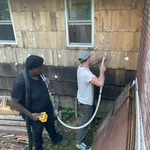
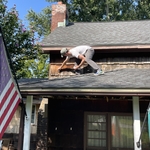
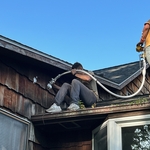
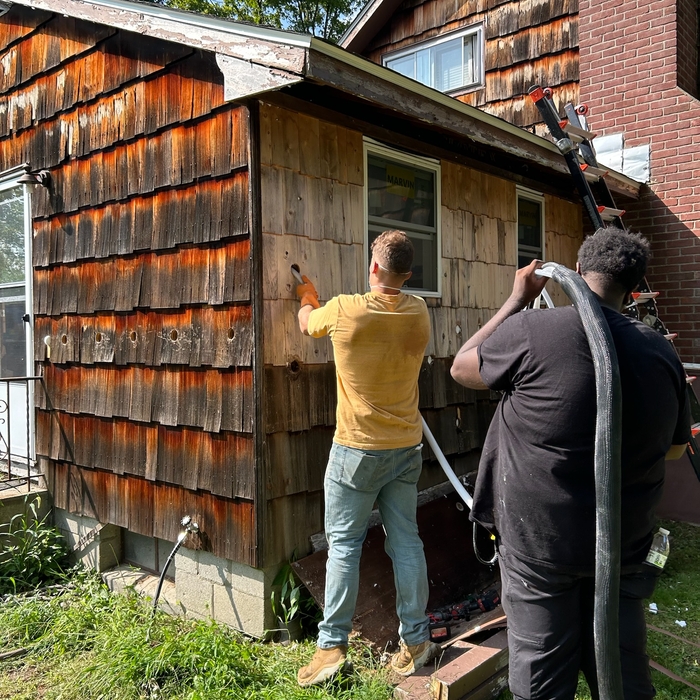
Elevated Injection
Wall Injection
plugging
Roof Installion
Injection Foam

+5

Response time1 day
Recommended by83%of homeowners
Showing 1-10 of 17
Energy Efficiency Auditing FAQs, answered by experts

The difference between an energy auditor and a home inspector is primarily in the purpose of the inspection. The energy auditor conducts tests in your home to determine the energy efficiency levels in areas like windows, insulation, and doorways. The auditor then makes recommendations for ways to improve a home’s energy efficiency. 

A home inspector examines various structures of your home to determine that everything is up to code and gauge the condition of features like the roof, foundation, HVAC, and electrical. The home inspector reports on the overall home and makes repair recommendations.

There is no blanket figure for a residential home’s electrical load, since load varies by the size of the home, how many appliances are used, and the efficiency of their electrical systems. Typically, however, it’s safe to assume 40 to 60 amps is the average electrical load of a residential home. 

Wood windows fall in the middle of the window frame materials when it comes to energy efficiency. They’re more insulating than aluminum and vinyl, but they aren’t as efficient as fiberglass or composite frames. If you love the look and lifespan of wood windows and want to maximize efficiency, you can upgrade to double-pane or triple-pane glass and consider window tinting and low-emissivity (low-E) coatings to minimize heat transfer.

DIY is possible with basic tools. Professional audits provide comprehensive assessments and tailored recommendations.

Energy-efficient windows are judged on their performance according to a few different factors, including heat transfer, air leakage, light transference, and condensation resistance. If you're unsure whether a window is energy-efficient, look for an ENERGY STAR® label from the U.S. Environmental Protection Agency (EPA). If various products, including windows, meet energy-efficiency standards set by the federal government, the EPA issues this label to help consumers identify energy-efficient products.

The Millbrook, NY homeowners’ guide to energy efficiency auditing services

From average costs to expert advice, get all the answers you need to get your job done.