

Top-rated concrete driveway pros.

Get matched with top concrete driveway pros in Laurel, NY

Enter your zip and get matched with up to 5 pros

Need a pro for your concrete driveway service project in Laurel, NY?

Select your specific project to find the pro for you.

Find Concrete driveway pros in Laurel

Avatar for Premium Paving
Premium Paving
5.0(
6
)
Asphalt Paving - Install

Serving Laurel, NY and surrounding areas

Approved (Corporate)

In business since 2011

Credit card accepted

Offers commercial services

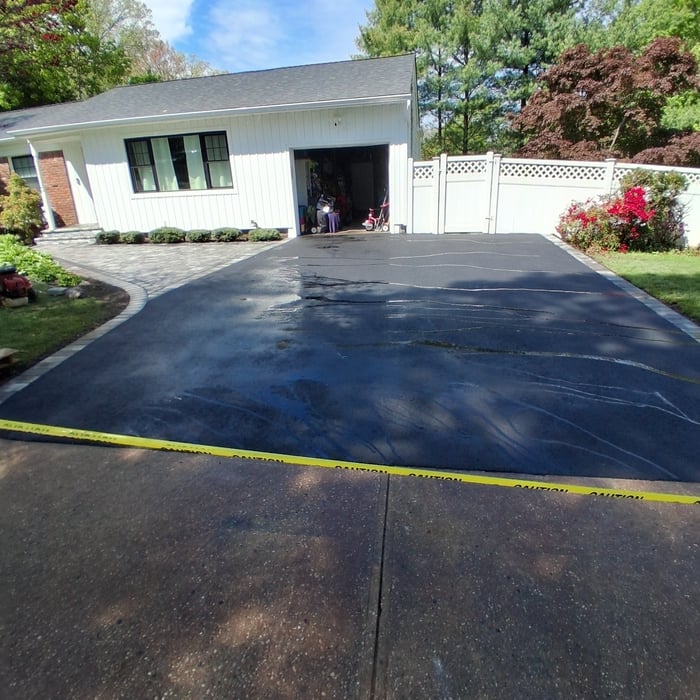
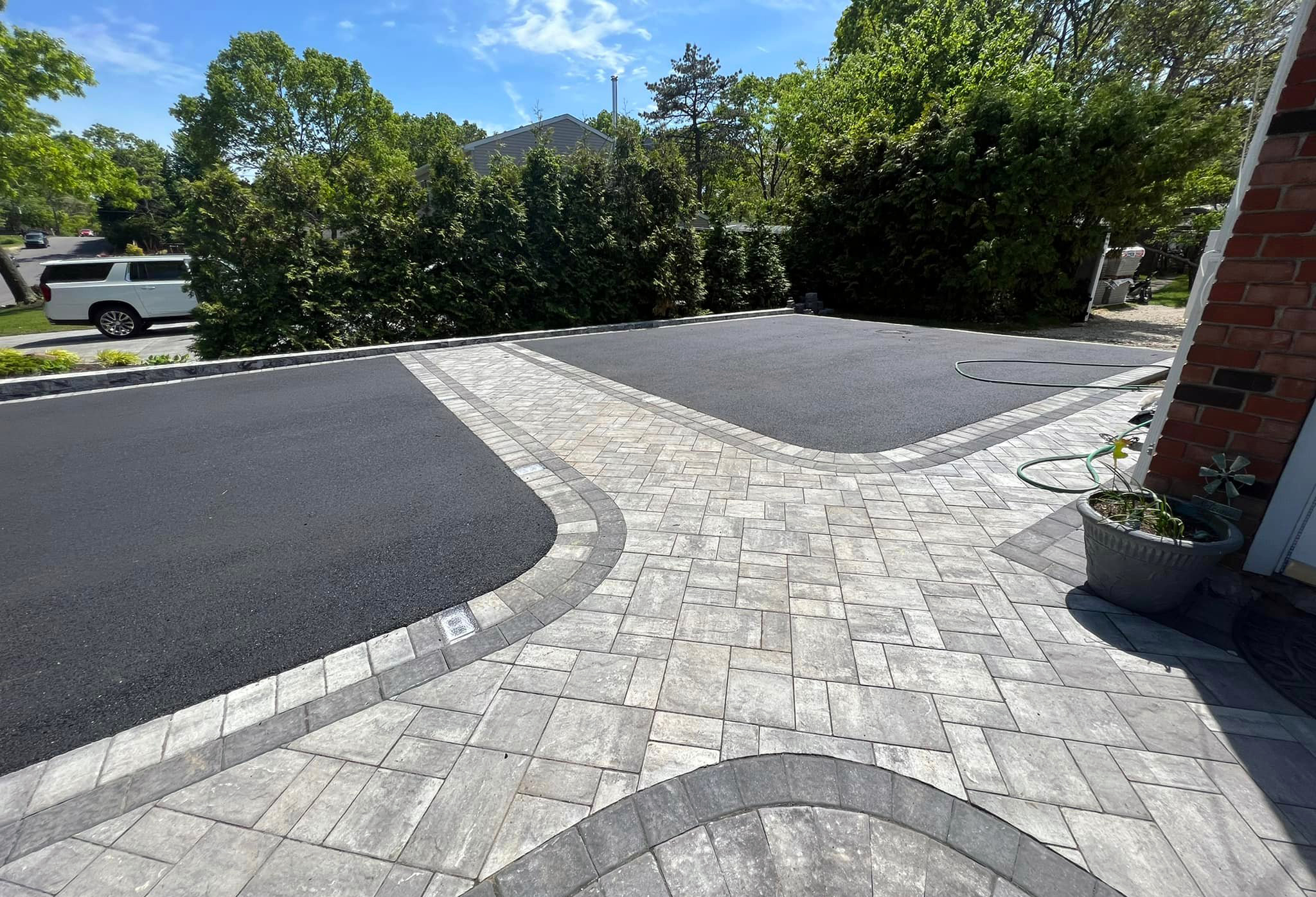
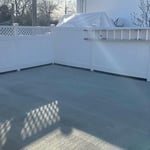
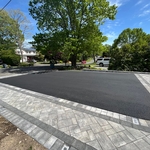
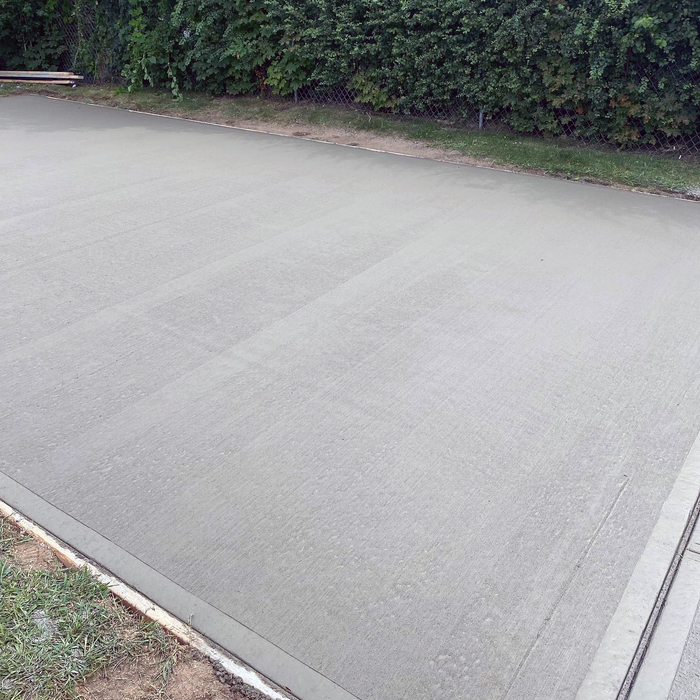
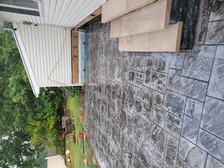
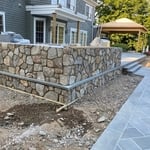
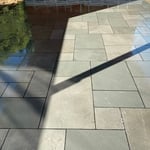
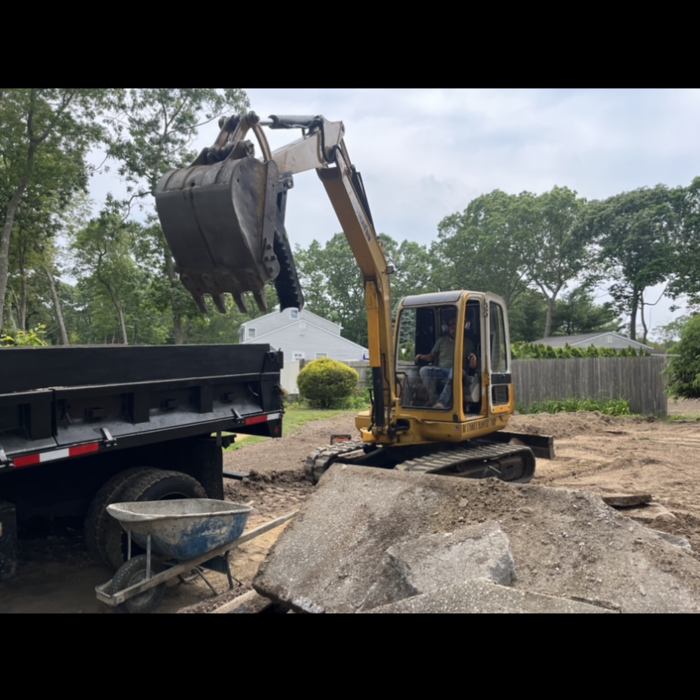
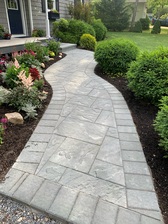
Premium Paving is a well-established paving company serving Suffolk County, Long Island since 2007. We specialize in asphalt installation, concrete installation, masonry and more. Our estimates are always free without obligation. Reach out today to see if we're right for your project! Please note that we do not provide sealing services.

Additional Photos
Additional Photos
Additional Photos
Additional Photos
Additional Photos

+5

Response time2 days
Response rate100%
11 neighbors recently requested a quote
Avatar for Beach Paving, Corp.
Beach Paving, Corp.
3.9(
4
)
Asphalt Paving - Install

Serving Laurel, NY and surrounding areas

Approved

In business since 2009

Free estimates

Offers commercial services

"This company was a pleasure to work with. They were on time did a great job on my driveway. Clean up was excellent. Would recommend him to anyone looking to repave their driveway."
Oil & Stone
Oil & Stone
Response time3 days
Response rate92%
9 neighbors recently requested a quote
...
Showing 1-10 of 247
Concrete Driveways questions, answered by experts

You should always power wash your driveway before applying a sealant. At any given time, your driveway could be covered with algae and moss, tire residue, oil and rust stains, and any combination of leaves, twigs, and dirt. If you skip power washing, you’ll be trapping the dirt and grime beneath the sealant and lowering its chance of cementing itself to your driveway. While you can expect the cost to pressure wash your driveway to average between $100 and $350, the few hundred dollars beats an unattractive driveway or paying extra to reapply your driveway sealer.

It depends on the type of surface, but if you’re preparing to pressure wash a driveway, you’ll start by using a broom or leaf blower to get rid of dirt, leaves, and other debris. Then, move any nearby items (like outdoor furniture and potted plants) and cover in-ground plants with a tarp or plastic sheet. After that, you can apply degreaser spray or another pretreatment solution to any stains and scrub them with a stiff brush before pressure washing.

Yes, you can pressure wash epoxy floors, but you must take precautions to avoid damaging the surface. While most epoxy floors can be cleaned with a mop, you might choose to pressure wash if the floor is stained, has ground-in dirt, or is covered with mold or mildew. To do so safely, first soak any stains or dirty areas with a gentle cleanser. Use a lower pressure setting with a gentle nozzle, such as a green, white, or black tip, or a 45-degree angled tip. Keep the spray nozzle at least 18 inches away from the floor to protect the surface. Using a surface cleaner attachment or a rotary scrubber can also help prevent overspray. Be cautious if using a power washer that heats the water, as the combination of heat and pressure may be too powerful and could damage the epoxy coating.

The ideal frequency for pressure washing depends on the surface being cleaned and your local environmental conditions. For a home's exterior with siding that is safe to wash (such as vinyl, cement, or aluminum), a full wash once or twice a year is a good guideline to remove accumulated dirt, grime, mold, and mildew. You may need to wash more frequently if you live in an area with heavy rain or snow, near a dirt road, or if you notice excessive buildup. Other surfaces have different schedules; for example, a frequently used driveway may need cleaning more often, while outdoor patio furniture might only need to be washed every few years. Use your discretion based on how dirty the area gets.

Yes, you can remove oil stains from your driveway by applying an absorbent material such as baking soda, sawdust, or cat litter, pouring on a liquid detergent such as dish soap, scrubbing the area, and rinsing with water. You can also use a diluted bleach solution, white vinegar, or TSP solution on concrete.

The Laurel, NY homeowners’ guide to concrete driveway services

From average costs to expert advice, get all the answers you need to get your job done.