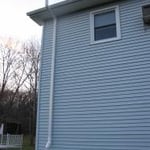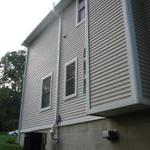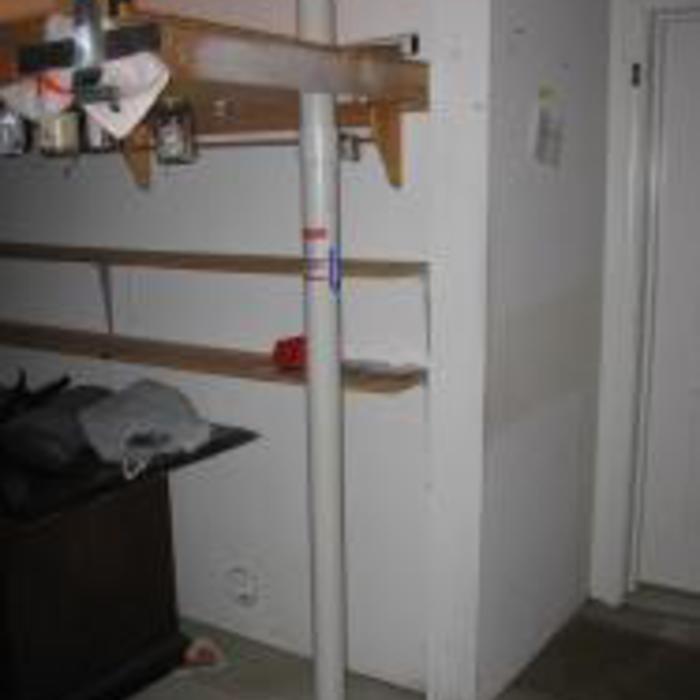
"I recently hired Acceptable Environment to install a new radon mitigation system in my home in Warwick, NY, and I couldn’t be happier with the results. From the very first call, their team was professional, knowledgeable, and responsive. They walked me through the entire process clearly, answered all my questions about the system and what to expect, and scheduled the work promptly. The crew arrived on time, worked efficiently, and installed the new system with minimal disruption to my household. They went above and beyond by carefully sealing the basement foundation and taking every precaution to contain dust and debris. When they finished, they cleaned up so thoroughly that you’d never know major work had just been done — no mess left behind at all. The best part? The post-mitigation testing came back with radon levels at just 0.3 pCi/L — down from well above EPA action levels before the install."
"Olivier was terrific. He was incredibly thorough and left no detail out of his inspection or his report. He took the time necessary to inspect all elements of the inside and outside of the home, he was patient in explaining what he found, and he was able to put all his comments within a helpful perspective. I would recommend him 100% and would use him again without hesitation."
Next Level Home Inspection and Property Management is dedicated to providing the best possible customer service throughout the Catskills and Hudson Valley areas!\n\nNext Level offers the most comprehensive home inspections for buyers, sellers, homeowners, and investors. We know that an educated client is prepared to make an informed decision, and we keep that in mind throughout all of our inspections.\n\nWe are here to keep things simple and uncomplicated for you.
We invite you to experience a tradition of customer satisfaction that will exceed your greatest expectations. Our professionalism and quality workmanship will accurately reflect your taste and lifestyle. From conception to completion, we work with you until the job is done. We are ethical, honest, and easy to communicate with. \n\nCall us today you'll be pleased you did. Thank you
"Mine was very meticulous and honest. I appreciate him doing a whole inspection when I only had a few issues needing a check up. He was not in a rush and made sure he checked every floor and room! I would friendly hire him again!"
"We hired Tony to do a home inspection for the purchase of our first home. He was extremely professional and accommodating. He was able to answer all of our questions and address any issues of concern. We received a very detailed report in a timely manner. We would highly recommend Inspect & Detect and would use them again."
Radon Detection and Reduction questions, answered by experts
Your radon mitigation system may be loud because it’s time to replace it. Any sounds are usually from the inline fan that helps create the vacuum and resulting airflow. If you hear a new, loud mechanical or humming noise from your radon fan, it might be time to replace it. Most fans used in radon mitigation systems last up to 10 years, but may need to be replaced sooner.
Installation typically takes 1-2 days, depending on the system and property layout.
The cost for a radon mitigation system typically ranges from $800 to $1,500, with an average around $1,000. The final price depends on several factors, including the size of your home, the severity of the radon issue, and the type of system required. Your home's foundation type also significantly impacts the cost. For example, sealing and ventilating an unfinished basement might cost around $4,600, while encapsulating a crawl space without a foundation slab can range from $1,500 to $15,000.
Keeping radon from getting into your home is much better than having to get rid of it once it's already indoors. While there may not be a way to fully prevent radon from getting into your home, there are things you can do to reduce the gas's ability to enter.
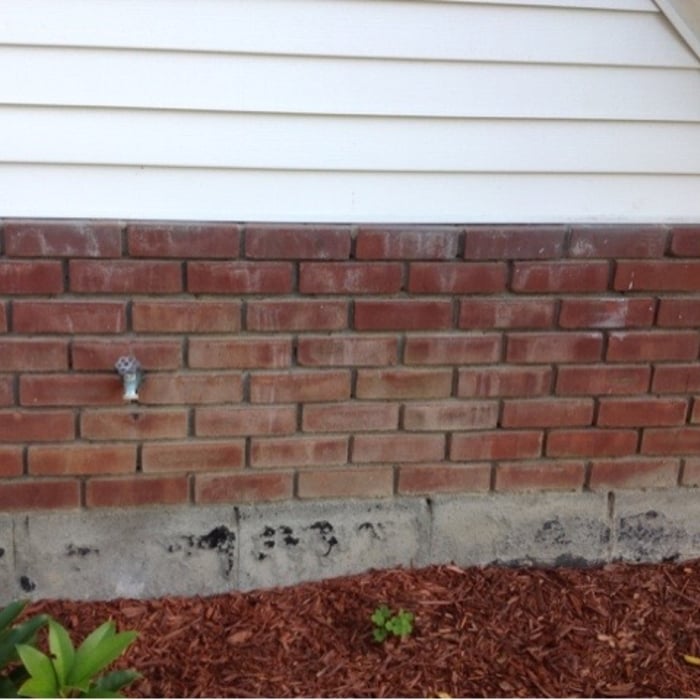
Sealing foundation cracks and openings can help keep the gas from seeping inside. Improving air flow, such as by opening windows, can also be helpful. If you're building your home from scratch, talk to your contractor about using radon-resistant construction to keep the gas out.
The soil beneath your house is most likely what’s causing an increased level of radon. This is because soil holds radioactivity for a long time and it’s also what most buildings are built on. Another common source of radon is water from a source that hasn’t been through periodic radon tests, such as well water. Over time, the radon from the soil can inhabit other parts of your house like the foundation or plumbing.
The Kiryas Joel, NY homeowners’ guide to radon detection and reduction services
From average costs to expert advice, get all the answers you need to get your job done.
Get clear answers on how much radon remediation costs, including average prices, key cost factors, and tips to save money on your home’s radon mitigation.
Find out what impacts radon testing costs, including average prices for DIY kits and professional services, so you can protect your home and budget confidently.
Radon is a gas that you can't see or smell and is harmful to your health. If your home has radon, you need to know who installs radon mitigation systems.