





Top-rated excavation pros.

Best excavation pros near Glen Park, NY

Enter your zip and get matched with up to 5 pros

Need a pro for your excavation project in Glen Park, NY?

Select your specific project to find the pro for you.

Top-Rated Excavation pros in Glen Park - Updated Nov 2026

Over the Top Unlimited, Inc.
New to Angi
Building Site - Preparation and ClearingBuilding Site - Preparation and Clearing - For Business

Serving Glen Park, NY and surrounding areas

Approved

In business since 2023

Free estimates

Credit card accepted

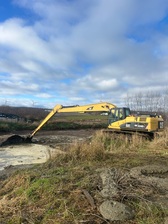
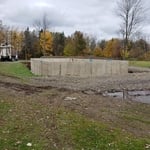
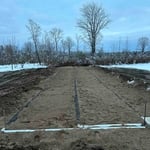
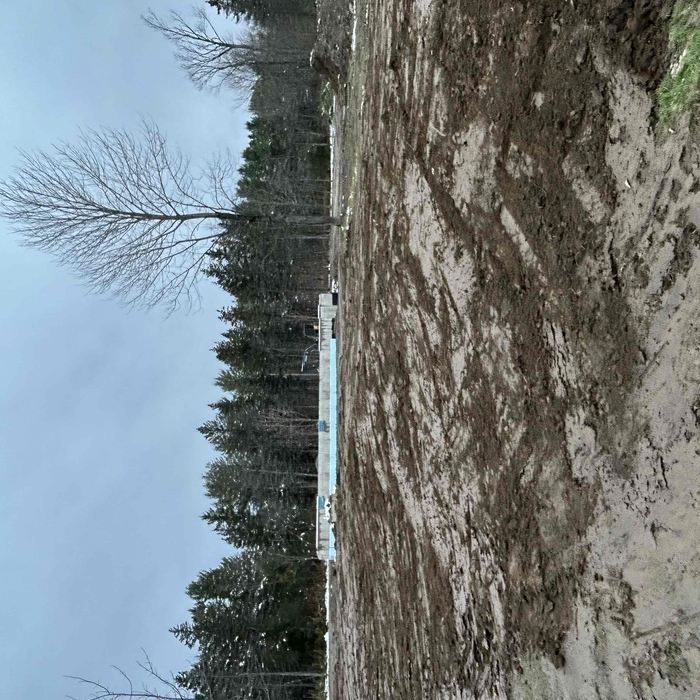
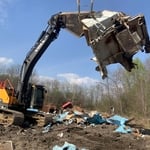
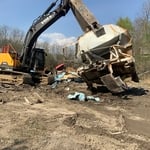
Over The Top Unlimited Inc. is a fully incorporated, licensed and insured excavation and proudly serving Parish, NY and the surrounding areas. Owned and operated by Michael Peters, the company brings over 20 years of hands-on industry experience to every residential and commercial project. \n \nWith a full fleet of heavy equipment and the expertise to handle projects of all sizes, Over The Top Unlimited Inc. specializes in excavation, septic system installation and replacement, foundations, basement and crawl space work, waterproofing, and encapsulation services. Whether preparing a site for new construction, replacing aging infrastructure, or solving drainage and foundation issues, Michael and his team deliver dependable workmanship built to last. \n \nFrom start to finish, clients can expect professionalism, efficiency, and quality results backed by decades of experience in the field. \n

7 neighbors recently requested a quote
Horton's Services, Inc.
New to Angi
Building Site - Preparation and Clearing - For Business

Serving Glen Park, NY and surrounding areas

Approved

In business since 2000

Free estimates

Offers commercial services

We take great pride in our experience, expertise, quality, and customer service that we provide to meet the consumer's needs. It is our mission to provide excellent workmanship and complete customer satisfaction from start to completion of a project. In order to understand the needs and expectations of our customers, we take great care to work and communicate with every customer in a professional manner. Our reputation is based on service, safety, and quality, regardless of how large or small the job.

Rail
Rail
Rail
Rail
Response time1 day
1 neighbors recently requested a quote
...
Showing 1-10 of 66
Excavating FAQs, answered by experts

If you have a broken sprinkler pipe underground, there will be some signs you can easily spot to locate it and take action. These include leaks, water spouts, flooding, consistently damp areas on your lawn, low water pressure, and grass around the sprinkler head that’s taller and darker than anywhere else in the yard. 

If there are no obvious signs of a broken pipe, you can use tools such as water leak mics, leak noise loggers, audio devices that record leaks, and acoustic testing links. 

Broken pipes can lead to uneven watering, plant damage, and higher utility bills. The longer you wait to fix them the more the repair cost may be.

Professional installers often include a deep layer of crushed gravel under permeable pavers to allow more runoff to soak through into the soil below. Many installations will include multiple layers of gravel, with coarser aggregate at the base and finer aggregate that sits on top of that bottom layer. Above the gravel, you’ll often find coarse sand that helps reduce paver shifting over time. Some permeable paver designs include a water collection system set into the gravel layer to route runoff to a safe area for disposal.

The rules for trenching and excavation include setting up and following safety protocols, learning how to use tools and machines properly, and ensuring there is a safe exit for all workers. Keep heavy equipment and materials away from the edge of the hole or trench. Call the 811 dig line before starting any excavation or trenching project to ensure you don’t hit any electrical or gas lines.

Excavations take a few days or up to a few weeks. The time it takes to excavate an area depends on the size of the area, the type of soil, the type of excavator, and even the time of year, since winter can make digging up the ground more difficult.

In the United States, a depth of 36 inches (three feet) for underground water lines is the accepted industry standard. This depth varies from location to location based on local conditions. In areas with colder winters, they may be buried deeper to prevent frozen well water pipes : This is usually at least six inches below the frost level. The International Plumbing Code calls for a minimum of 12 inches below grade.

The Glen Park, NY homeowners’ guide to excavation services

From average costs to expert advice, get all the answers you need to get your job done.