





Top-rated lead testing and removal specialists.

Get matched with top lead testing and removal specialists in Fine, NY

Enter your zip and get matched with up to 5 pros

Need a pro for your lead testing and removal project in Fine, NY?

Select your specific project to find the pro for you.

Find Lead testing and removal specialists in Fine

Avatar for GLS Inspections, LLC
GLS Inspections, LLC
4.7(
28
)
Toxic Lead - Testing

Serving Fine, NY and surrounding areas

In business since 2006

Free estimates

Emergency services offered

"Gabriel was super responsive and friendly. He was very accommodating with our schedules to coordinate the testing and it all worked out well. Our house is very old and we were concerned that certain modifications that were done over the years fell into the era of asbestos being a common building material so we wanted to have the area tested before ripping a closet out. Gabriel called me as soon as the test results came back to let me know what the deal was (and then obviously sent over the official reports as well). I'd definitely recommend him without reservation."
Response time1 day
Response rate95%
Recommended by100%of homeowners
Lead Testing and Removal questions, answered by experts

Some causes of brown well water—like excess tannins or dissolved iron—don’t pose a health risk. In other cases, harmful bacteria might be the culprit. If your well water has suddenly turned brown, it’s a good idea to use a home water test kit to get a better sense of what’s going on with your water. Consider calling a professional for an expert opinion before drinking the water and hoping for the best.

Properties should be tested for lead every 2-3 years, especially if they are older, have undergone renovations, or show deterioration of paint or interior finishes.

Exterior paint contains a higher level of VOCs, which can be dangerous if you’re exposed to it for a long period of time. The good news is that paint’s toxicity reduces significantly once fully dried and cured. Do not keep open exterior paint cans in your home, basement, or garage, exposing your household to harmful chemicals over time.

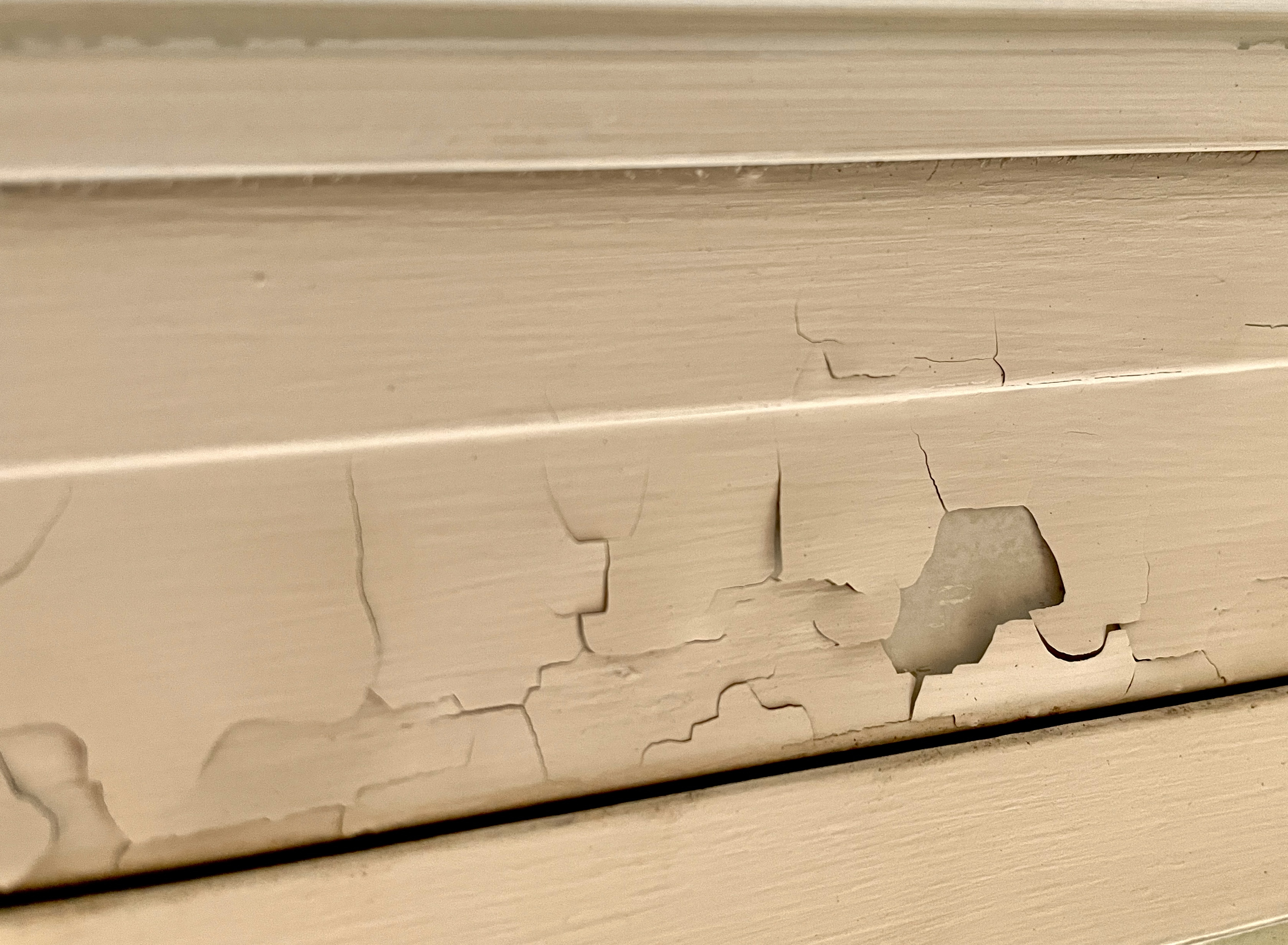
Lead toxicity comes from inhaling lead or consuming it. Before the 1980s, when the government banned lead from consumer use, it could be found in paint, plumbing, pipes, ceramics, and even gasoline. Lead paint is toxic for the same reason lead itself is toxic, which is why lead poisoning from paint presents the same as lead poisoning from water or food sources, with a slight increase in respiratory symptoms vs. digestive symptoms. Lead paint is most dangerous when it’s old and peeling, cracking, or otherwise disturbed. This increases the concentration in the air and, therefore, in breathable air. 

Professional testing for lead paint costs about $300, ranging from about $250 to $700, depending on the square footage, accessibility, and location. However, testing for lead paint with a DIY home-testing kit costs about $25, but doesn’t guarantee accurate results. The U.S. Environmental Protection Agency (EPA) recommends using a lead test kit that complies with the Lead Renovation, Repair, and Painting (RRP) Rule, which has strict criteria for ensuring a more accurate reading.

Common home surfaces to test for lead include:

  • Walls

  • Windows

  • Doors

  • Molding and trim

  • Railings

The Fine, NY homeowners’ guide to lead testing and removal services

From average costs to expert advice, get all the answers you need to get your job done.