"Excellent customer service and focused on ensuring everything was done correctly. Took time to do work right and keep things clean. Spent extra time advising on best practices to reduce creosote in future and when to replace igniter. Will retain company for all future services on pellet stove and chimney services."
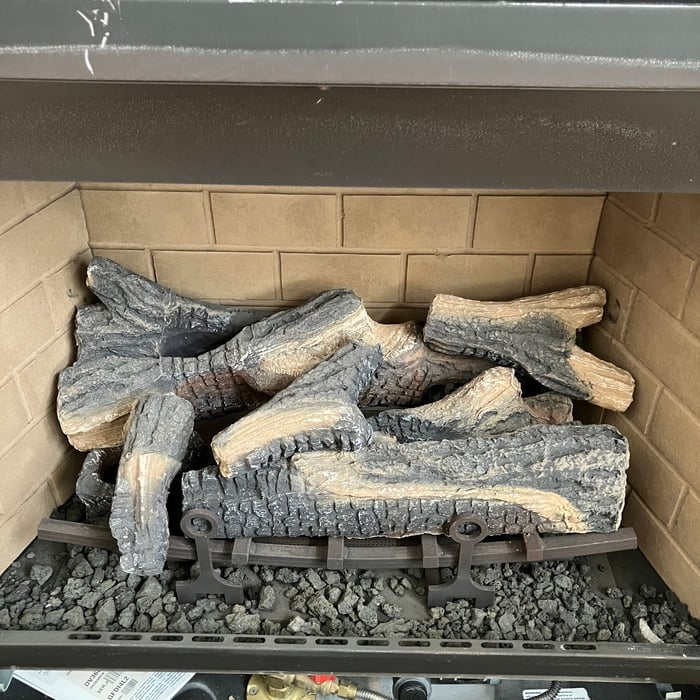
"Al was fantastic! He clearly explained that my fireplace was shutting off as a safety feature due to low oxygen levels. He also reassembled the logs in the firebox and showed me the proper way to start and stop the fireplace. Highly recommend his service!"
"100% excellent. Richie, Max and his team did all they were asked and more. yes, i would rehire them again. (special kudo's to Max, he made sure the job was done correctly). thank you guys."
"Anthony and his little Minion (9 foot-4inches, lol) were amazing. They went above and beyond after they started and I wanted to change something. Their work was so impressive, I am hiring them for another project. Punctual, honest and direct, trustworthy - can't ask for anything more. Thanks again guys."
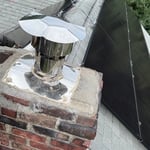
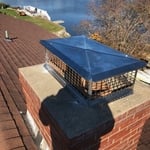
"The workers and office staff were easy to talk to, well informed, courteous , and efficient. They performed a thorough inspection. Recommended and installed a stainless liner and cap for the furnace flue and a new damper on the fireplace flue. Their price was better than previous quotes and even set up a partial payment plan. I am very pleased with the work they did."
Hello, my name is Brooke and I am a small business owner.\nI vow to always be honest, dependable and respectful.\nI will do what the others won’t do! \nSpecializing in deep cleans, recurring cleans, residential and commercial.\n
Well-seasoned hardwoods like oak, maple, hickory, and ash are the cleanest woods to burn in a fireplace. When properly dried, these woods have low moisture content, allowing them to burn hotter and produce less smoke, which minimizes creosote buildup. Ensure the wood is seasoned for at least six months for optimal burning.
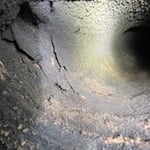
The time it takes for creosote to build up in a chimney can vary depending on how often you use your fireplace and the wood you burn. Creosote can start accumulating after just a few fires, especially if you burn unseasoned wood or allow fires to smolder. Regularly using the fireplace without proper maintenance can lead to significant creosote buildup within a few months. To prevent hazardous buildup, have your chimney inspected and cleaned at least once a year.
Homeowners insurance may cover chimney leaks, repairs, or replacement, but coverage depends on the cause of the damage. If the chimney is damaged by a sudden, covered peril like a lightning strike, storm, hail, fallen tree, or an unexpected fire, your policy is likely to cover the costs. However, insurance generally does not cover damage resulting from normal wear and tear, old age, or a lack of proper maintenance, such as failing to perform regular cleanings and inspections. If a fire or other damage is caused by a known issue you didn't address, the claim may be denied. Additionally, some policies may have specific exclusions for events like high winds or earthquakes.
Modern gas fireplaces are relatively efficient and don't burn excessive amounts of gas, especially compared to older models. A gas fireplace might use between 10,000 to 40,000 BTUs per hour; the total amount of gas used depends on the fireplace's size, heat output, and how often it's in use. To help keep your running costs down, consider using a thermostat and turning off the fireplace when not needed to minimize gas consumption
You should get your chimney cleaned around once per year, but you might want to opt for bi-annual cleanings if you use your fireplace often. Remember, your boiler likely vents into your chimney as well, so cleaning is required even if you don’t use your fireplace. It’s a good idea to clean your chimney during the summer so that it’s ready to use when you want a worry-free cozy fire on that first crisp autumn night of the season.
The Eagle Bridge, NY homeowners’ guide to fireplace services
From average costs to expert advice, get all the answers you need to get your job done.
With a gas fireplace, it’s important to stay up-to-date on your inspections. Learn more about how much gas fireplace inspections cost before you book one.
Find out if you really need a chimney to install a fireplace in your home. This guide helps you understand your options, such as a ventless fireplace, when choosing the right fireplace for your home if you don't have a chimney.