
Top-rated backsplash installation pros.

Get matched with top backsplash installation pros in Diana, NY

Enter your zip and get matched with up to 5 pros

Need a pro for your backsplash installation project in Diana, NY?

Select your specific project to find the pro for you.

TRUSTED BY DIANA, NY HOMEOWNERS

  • Average homeowner rating star icon4.8
    Average homeowner rating
  • Verified reviews icon16
    Verified backsplash installation services reviews

Find Backsplash installation pros in Diana

Do For You Construction Company
5.0(
2
)
Tile: Ceramic and Porcelain - InstallTile: Ceramic and Porcelain - Install - For Business

Serving Diana, NY and surrounding areas

In business since 1990

Free estimates

We specialize in all aspects of Building from foundations to roofing to Custom Cabinets ,Custom Bars , Docks , Decks , electrical . \nWe have over 30 years in this field I am a Master Carpenter , I also have 3 other employees that have an eye for detail as well .

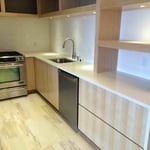
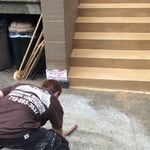
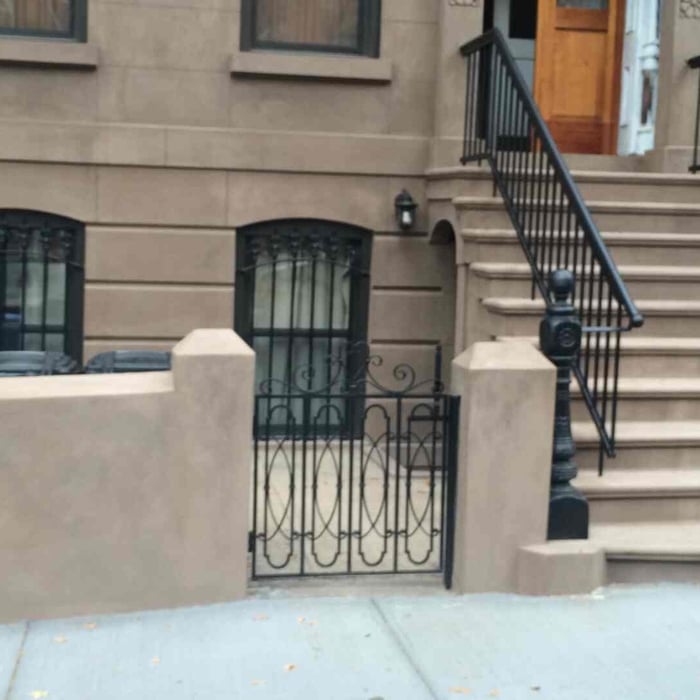
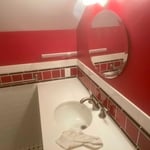
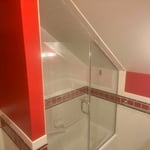
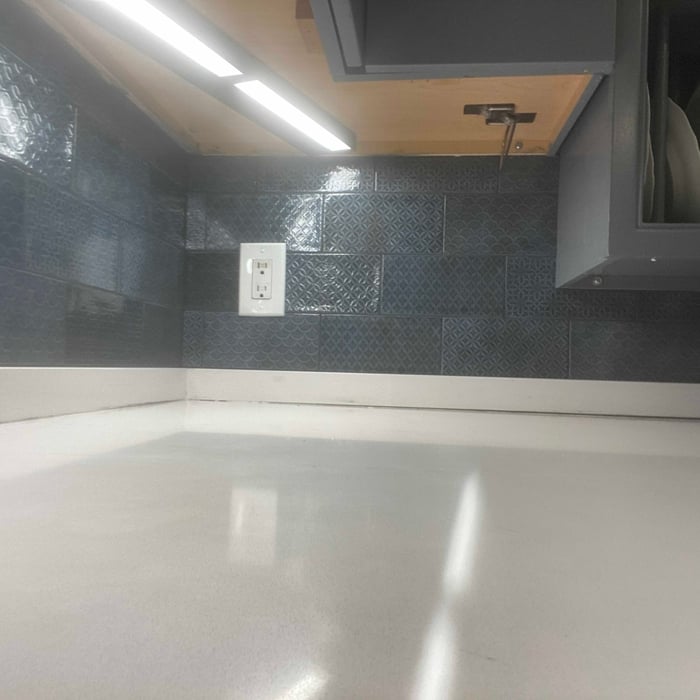
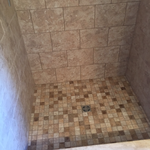
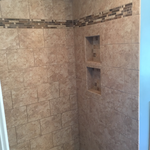
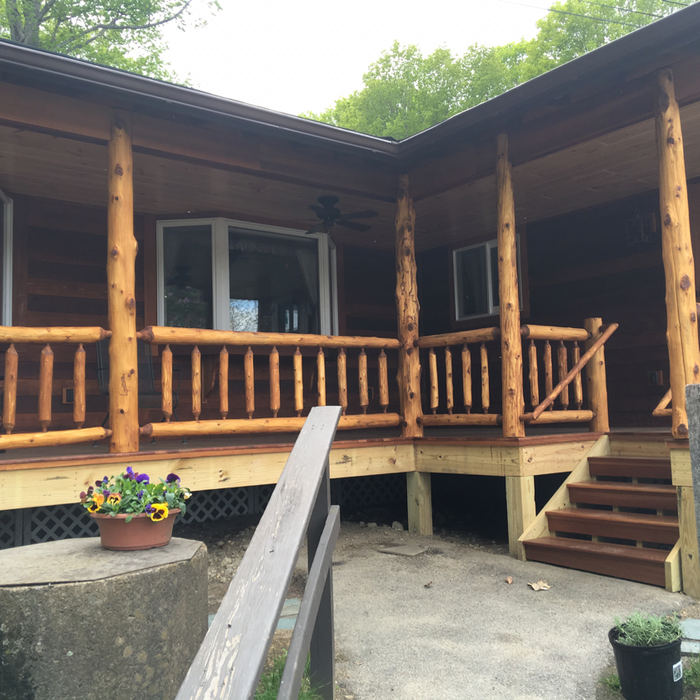
Additional Photos
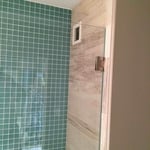
Additional Photos
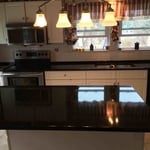
Additional Photos
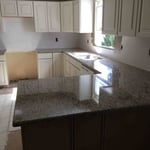
Additional Photos
Additional Photos

+19

Recommended by100%of homeowners
Showing 1-10 of 33
Backsplash Installation questions, answered by experts

Flooring transition strips can be secured to the subfloor using glue, nails, or screws. For a more secure installation, especially in high-traffic areas, using screws or nails is recommended as it reduces the risk of slippage. However, if aesthetic appeal is a priority, glue provides a cleaner, more seamless finish without any visible holes or screw heads.

Add a T-shaped spacer to each corner of a tile when placing it. You’ll want to nudge the tiles closer together so the spacers are touching each corner. When you’re done installing your tile, you can remove each spacer, wash them, and use them for your next project.

Thinset mortar is the best adhesive for ceramic tiles on concrete. It is easy to work with and has a slower dry time than mastic or epoxy mortars. This longer dry time gives the installer more time to adjust tiles, which is especially useful for DIYers who may not have tile installation experience. It can also be built up to help level any depressions or gaps in the concrete subfloor.

As long as you follow the instructions on your peel-and-stick tile packaging, it should not damage your walls. A possible instance when you may accidentally damage your walls is if you install tiles improperly using additional adhesives that aren’t recommended.

Also, you can damage your walls if you’re not careful when removing tile. For example, you could accidentally make holes in the drywall with a paint scraper if you don’t heat the adhesive long enough before trying to pry it off.

When working on your bathroom floor tiling, you should always tile the floor first and then refit the toilet afterward. This has both practical and visual advantages—the tile will have a better seal, and the installation will look cleaner.

On the other hand, when you try to cut the tiles to fit around the toilet, you’re putting yourself at a disadvantage. It’s a lot more work, it’s hard to be precise, and mistakes or miscalculations can lead to future moisture damage to the tiling, grout, and subfloor.

The Diana, NY homeowners’ guide to backsplash installation services

From average costs to expert advice, get all the answers you need to get your job done.