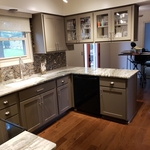
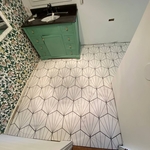
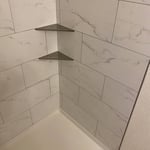
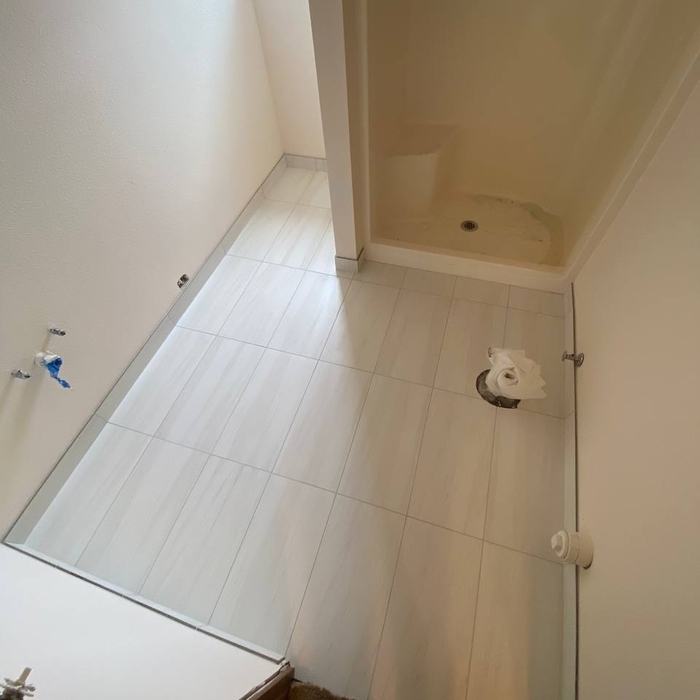
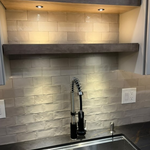
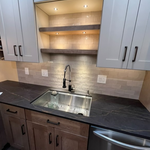
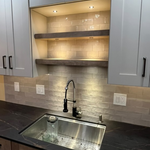
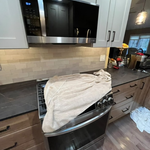
"Very well. If you use a sink that is not purchased from Pacific Tile (stainless only), be sure it is available early on in the installation process, to ensure it can be installed."
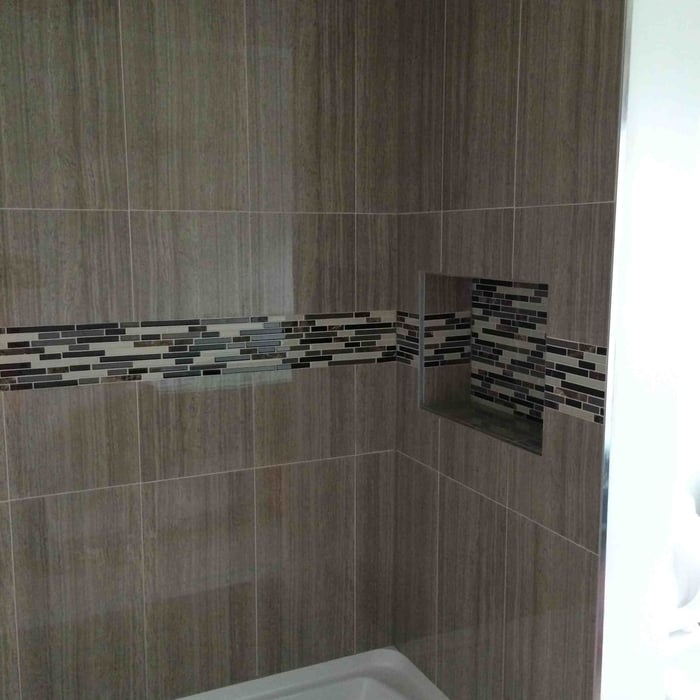
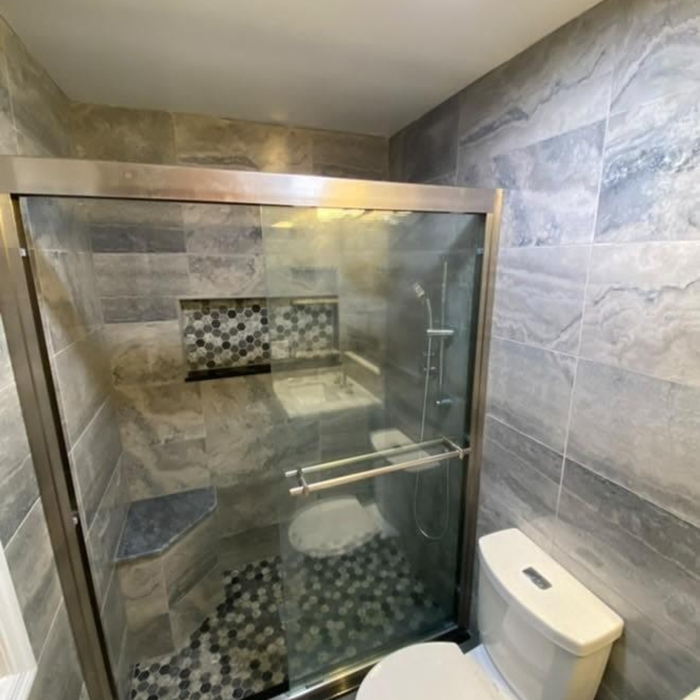
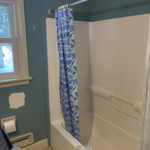
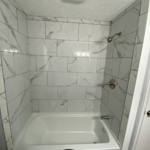
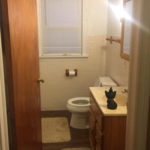
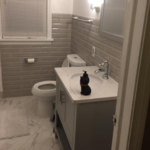
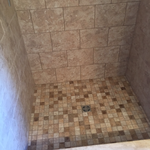
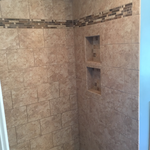
"Alan and the employees of Crowe Town Construction are a part measure to work with. They treated us and our house with respect. An ugly old bathroom has been turned into a picture in a magazine!! We especially love the tile work that was done. If you have any work that needs doing we recommend Cross Town for the job. You can trust them."
"Paul and his team were professional and finished our living room tile job in four days. We love how it turned out. Paul was very helpful and knowledgeable. Would do business with again!"
"Wow!! Phenomenal. I hired Maxx Flooring to do the tile work in our master bathroom and it was the best decision I?ve made in a long time. Competitively priced, professional and HIGH quality work. 10 out of 10. Thank you Anthony and team!!"
"Louie was prompt, courteous, and professional. He did great work, got the work done in a timely manner and cleaned up after himself when he was finished. The job he did was top notch. I highly recommend him."
Backsplash Installation questions, answered by experts
Options include clay, concrete, and slate tiles. Each offers unique durability, aesthetics, and costs.
Installing kitchen countertop tiles on a mold and moisture-resistant cement backer board is one of the best options. When fitted correctly on top of a plywood base, it’s stable and long-lasting. Old-fashioned cement board is economical, cuts neatly and easily with a circular or jigsaw, and screws into plywood without any difficulty.
Yes, unfortunately, it is normal for wall and floor tiles to crack, especially when you drop heavy items on tiled floors or place heavy objects on them. Tiles are also more susceptible to cracking when ceramic tiles designed for walls are installed on floors, as these are often not strong enough to handle heavy loads from foot traffic and furniture. Similarly, tiles that are installed incorrectly, lack adequate subflooring, or have other installation problems are prone to cracking. To avoid these problems and the inevitable repair and replacement costs they bring, always hire a professional for tile work and follow best practices for installation.
Common problems include cracks, loose tiles, and grout discoloration. Proper maintenance prevents many issues.
If the hearth ends against a wall, you can use a tile cutter as you normally would. However, if the edge of your hearth ends with no surface pressing against it,you may want to look into rounded tiles. These give a smooth edge to your hearth and make sure cut edges aren’t visible. You can also see if the tile you have has pieces that have been glazed or rounded on one edge. You’d then cut the tile and place it normally, with the cut edge facing inward.
The Cohocton, NY homeowners’ guide to backsplash installation services
From average costs to expert advice, get all the answers you need to get your job done.
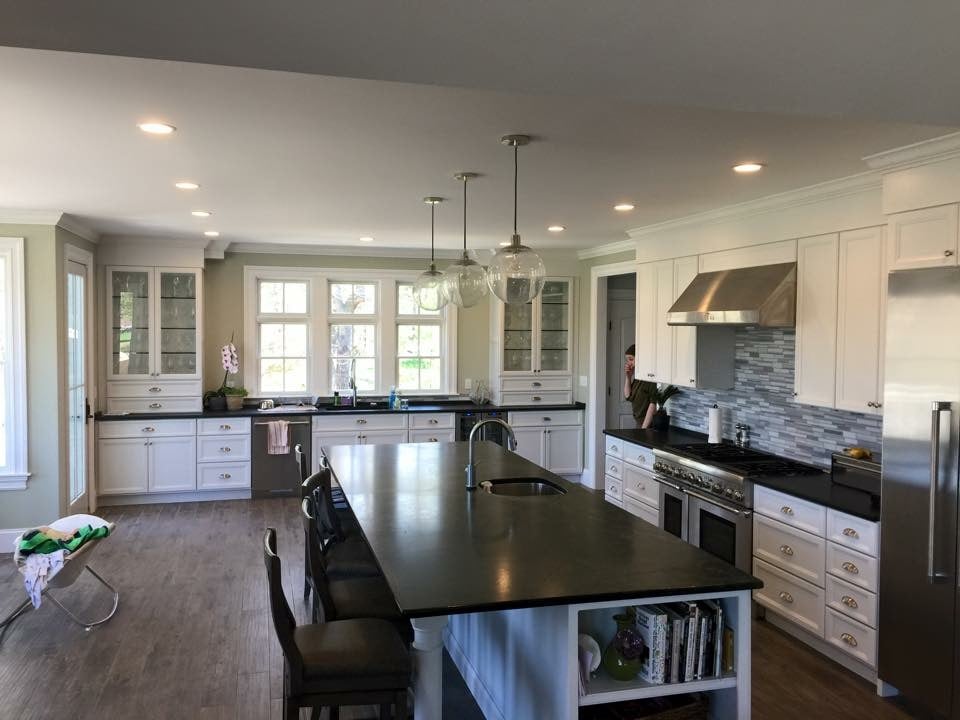
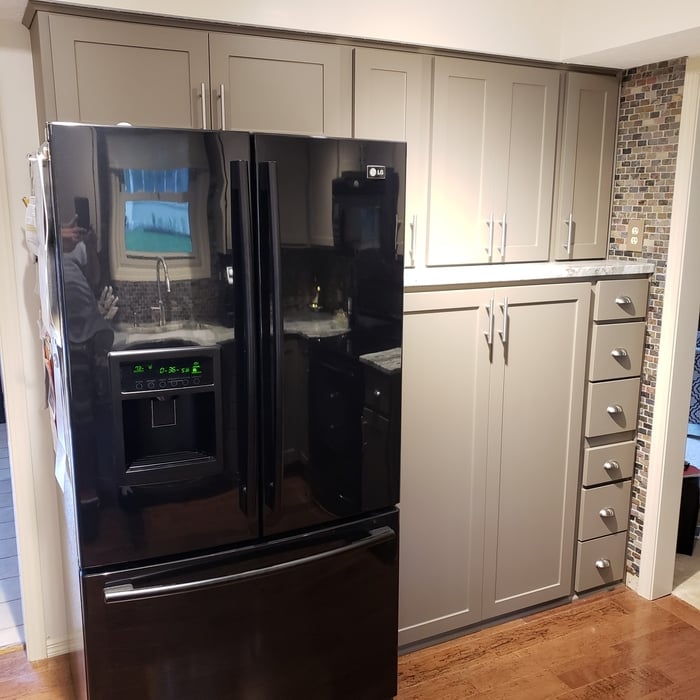
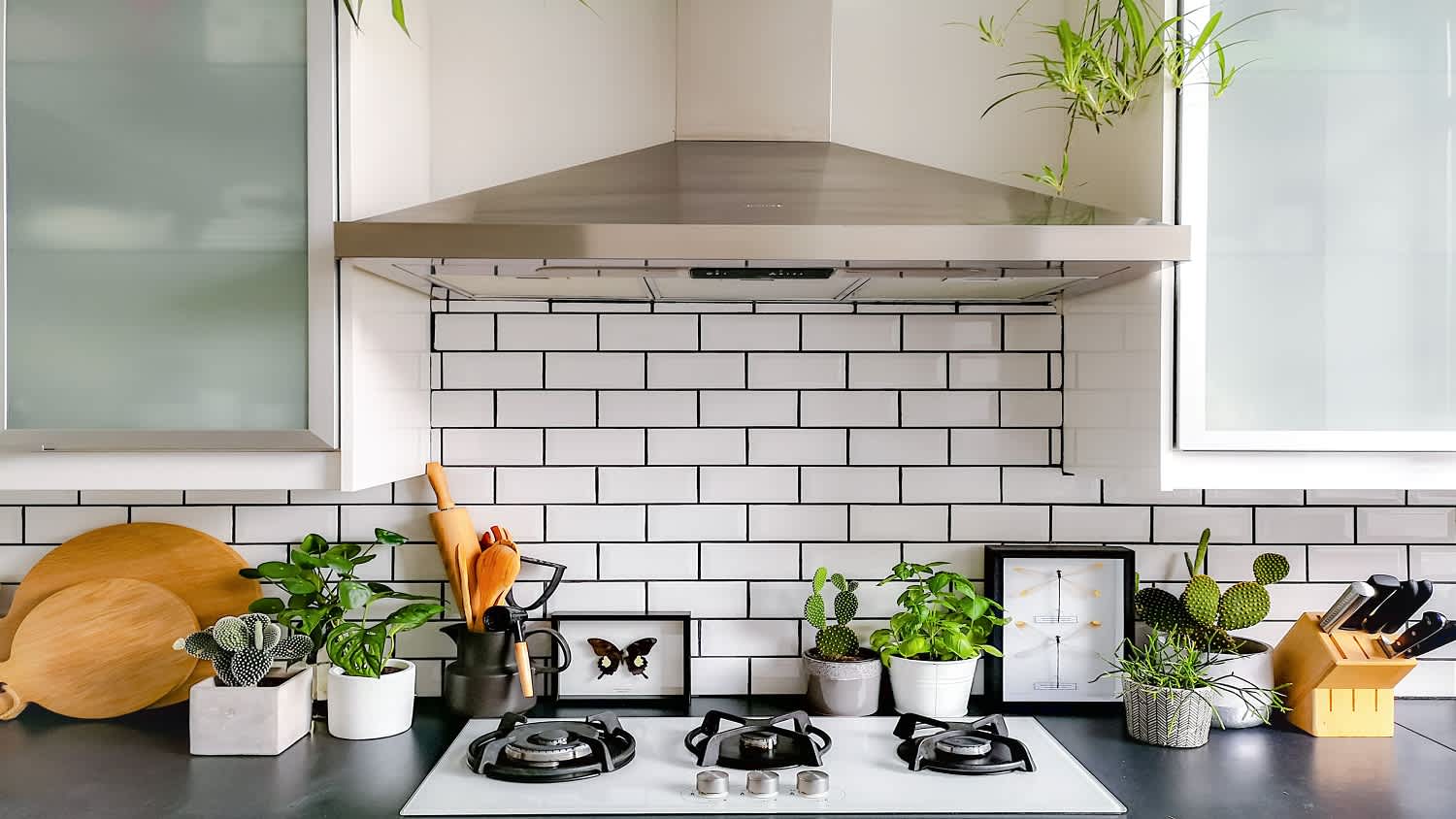
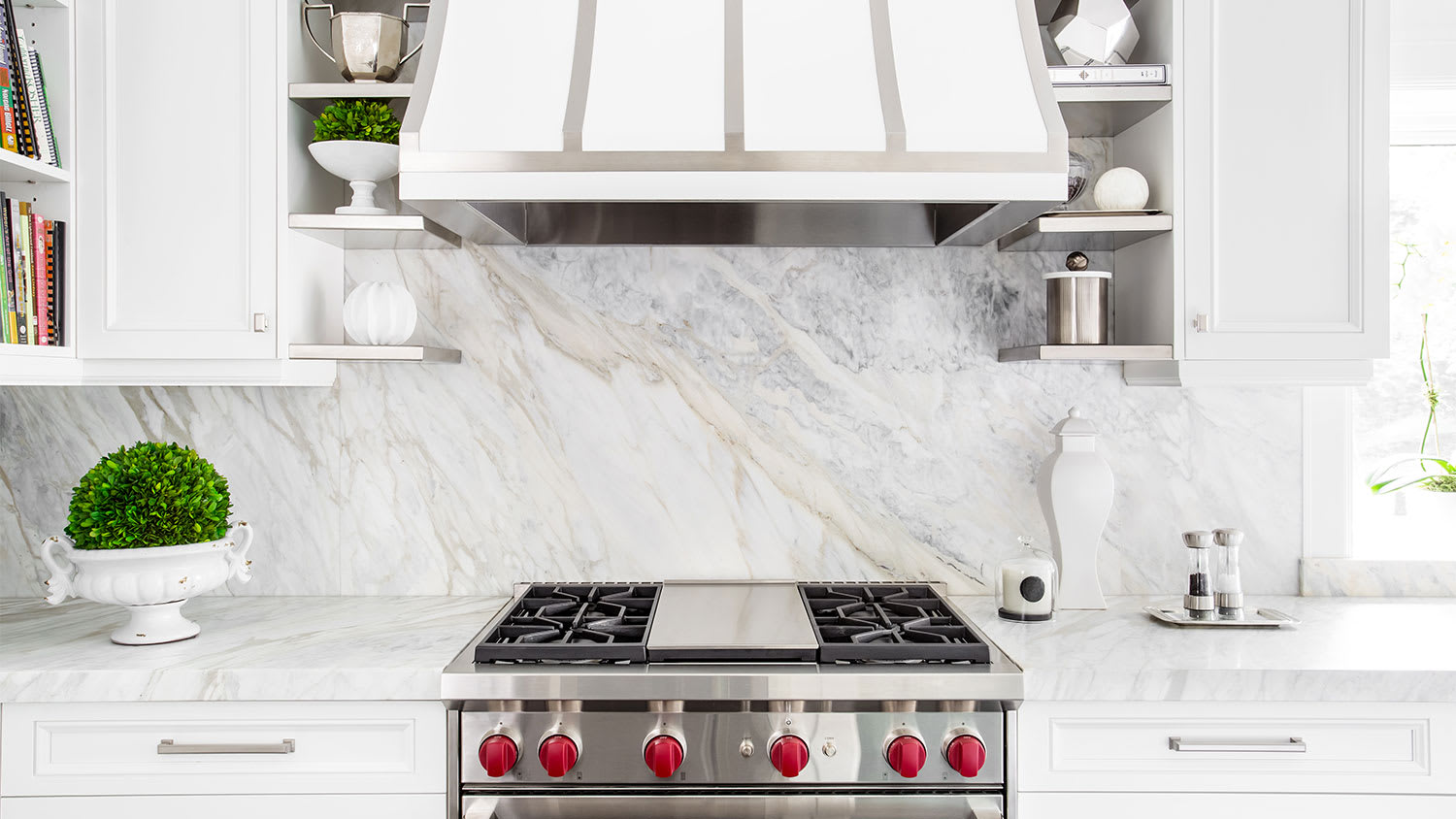
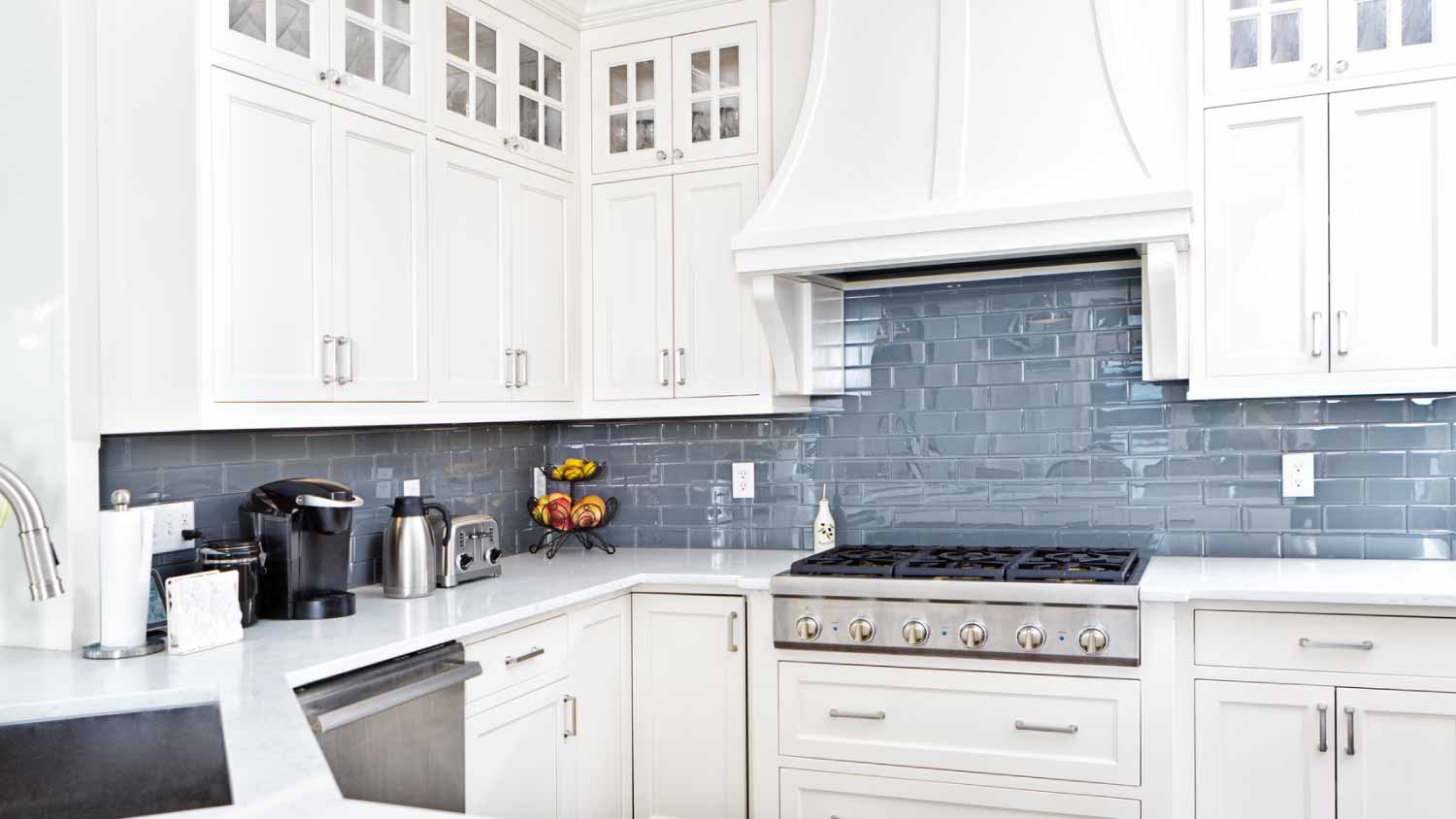
When installing a kitchen backsplash, you’ll need the right tools, materials, and knowledge. Our guide will show you how to install a kitchen backsplash.