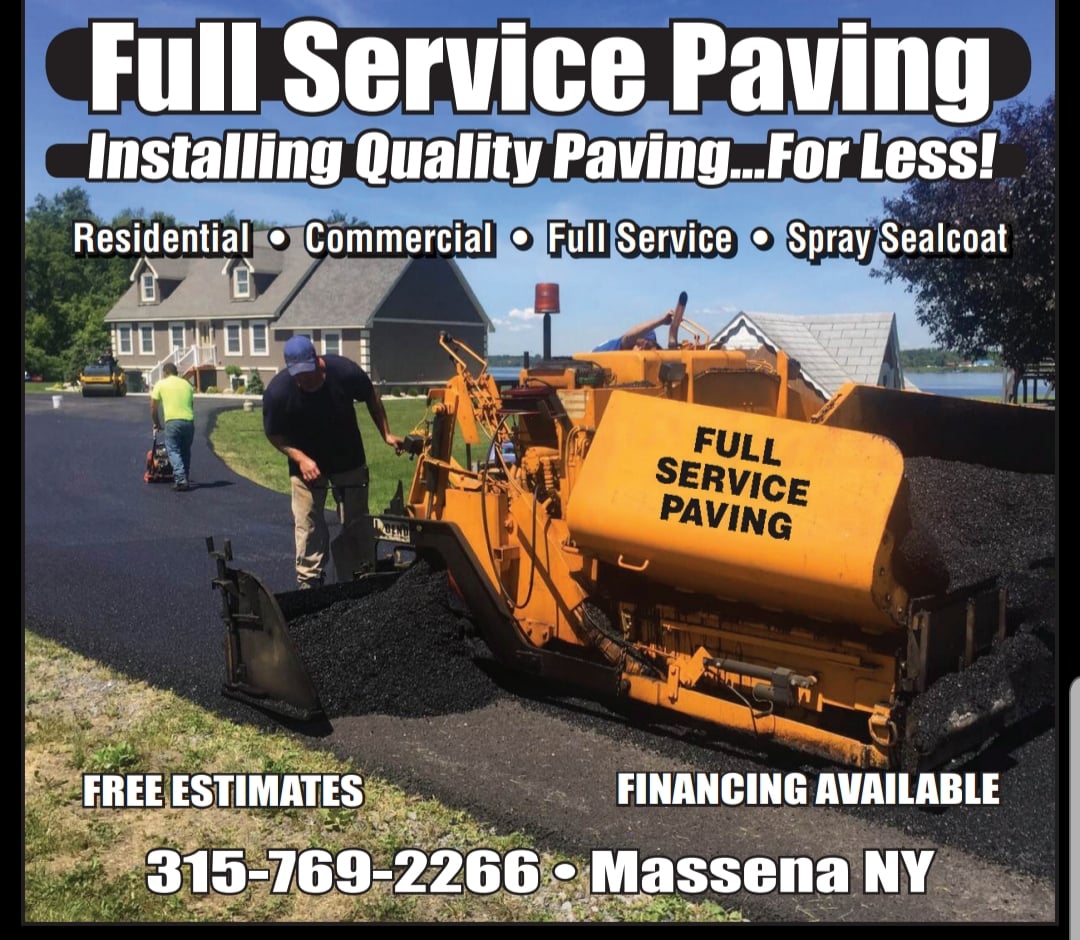




Top-rated asphalt driveway pros.

Get matched with top asphalt driveway pros in Clayton, NY

Enter your zip and get matched with up to 5 pros

Need a pro for your asphalt driveway service project in Clayton, NY?

Select your specific project to find the pro for you.

Find Asphalt driveway pros in Clayton

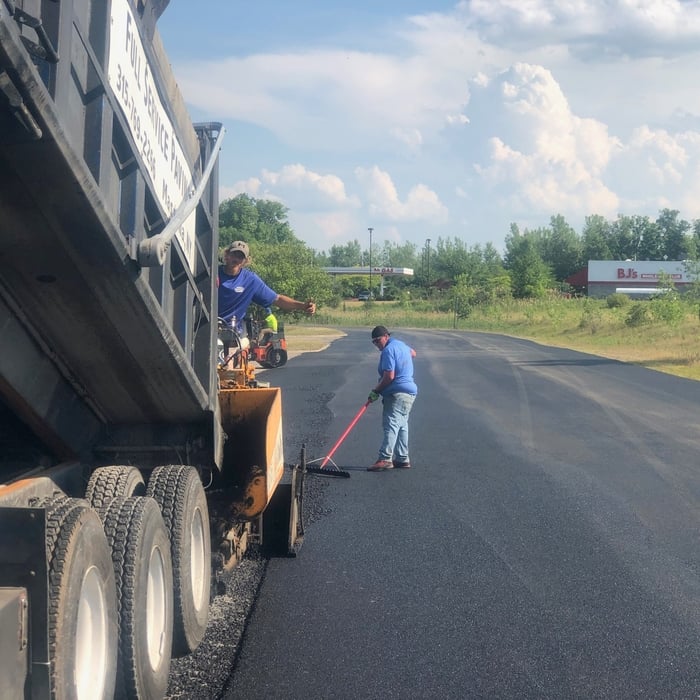
Avatar for Full Service Paving Corporation
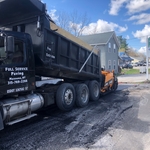
Full Service Paving Corporation
4.0(
14
)
Asphalt Paving - InstallAsphalt SealingAsphalt Paving - Repair or Patch+3 more

Serving Clayton, NY and surrounding areas

Approved

In business since 2019

Free estimates

Small jobs welcome

"Great job for a driveway that serves 7 cottages in Hammond. Very steep driveway with 3 turnouts to the different cottages. Awesome job under some extreme circumstances. Shaun & the crew were extremely professional and went beyond what was contracted for. Would highly recommend Full Service Paving."
Commercial Parking Lot
Site Work-- Agricultural
Paving-- Agricultural
Commercial Paving

+19

Response time2 days
25 neighbors recently requested a quote
Recommended by72%of homeowners

Showing 1-10 of 44
Asphalt Driveways questions, answered by experts

Asphalt edging secures the sides of your driveway to prevent crumbling and cracking over time. Most driveways have edges with a 45-degree grading. This helps transfer some of the stress from the asphalt to the ground underneath. If your driveway doesn’t have proper edging, the pressure from your car may break down the edges over time.

An ideal driveway gradient is between 2% and 5%. Anything lower than 1% or higher than 15% can cause problems for your car or property. A driveway with less than a 1% slope increases your likelihood of flooding and water damage, while a driveway with a 15% grade or higher can be too steep for safe traveling.

New asphalt goes through two stages: drying and curing. Drying typically takes 24 to 72 hours, after which the surface is solid enough for light use like walking or careful driving. While you may be able to park on it after 72 hours, the surface is still soft and should be treated gently. Full curing is a much longer process, taking anywhere from 30 days to a full year for the asphalt to reach maximum strength. During this extended curing period, the asphalt is susceptible to damage from heavy vehicles, sharp objects, and high temperatures. Factors like weather, the specific asphalt mix, and application thickness all influence drying and curing times. For the most accurate timeline and to ensure the longevity of your new asphalt, it is always best to consult with your installation contractor for their specific recommendations.

There’s no single best asphalt grade—it all comes down to where and how it’s used. Highways and heavy-traffic roads need something tough, like polymer-modified asphalt (PMA) or Stone Matrix Asphalt (SMA). Local roads and parking lots rely on the Performance Graded (PG) system, chosen based on climate. A PG 64-28 mix, for example, handles a broad temperature range while simpler, more cost-effective mixes are typically enough for residential driveways. The best grade of asphalt depends on traffic, weather, and your budget, which is why a professional’s input is always a smart move before making a decision.

Three inches is a great thickness for a residential asphalt driveway that sees minimal to moderate traffic from cars, SUVs, and pickup trucks. However, a thicker driveway can better withstand the weight of a heavier vehicle, such as a trailer or a recreational vehicle. If you drive a heavy vehicle on a thin driveway, you risk cracking and damaging it.

The Clayton, NY homeowners’ guide to asphalt driveway services

From average costs to expert advice, get all the answers you need to get your job done.