

Top-rated energy efficiency auditors.

Get matched with top energy efficiency auditors in Champlain, NY

Enter your zip and get matched with up to 5 pros

Need a pro for your energy efficiency auditing project in Champlain, NY?

Select your specific project to find the pro for you.

Find Energy efficiency auditors in Champlain

northshore pressure washing
New to Angi
Energy Audit - For BusinessHome Energy Audit

Serving Champlain, NY and surrounding areas

In business since 2011

Free estimates

We are one of the largest energy consulting companies in the country. We offer Free Energy Forcasts to businesses across a wide variety of climate zones. When implemented, our recommendations can consistently save you 17-22% on your energy costs, in the first year. We offer a variety of products, from an all-inclusive fixed product, to a variable option and a hybrid. Call today to see what solutions we can offer you! References are available from very happy clients.

Avatar for 'R Factor Inc.'
'R Factor Inc.'
5.0(
2
)
Energy Audit - For BusinessHome Energy Audit

Serving Champlain, NY and surrounding areas

In business since 2004

Free estimates

Credit card accepted

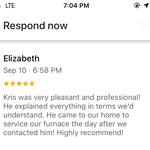
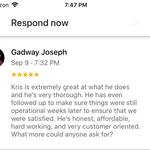
"Scott arrived punctually for our first meeting and thoughtfully and thoroughly analyzed our problem (mold on peak of cathedral ceiling).  He listened carefully to our thoughts and explained his analysis clearly and completely.  He provided us with examples of similar situations he had addressed, successfully, in the past. He also showed us photos of his previous work. He spent over an hour with us, answering all questions and outlining his processes.  

After we agreed to have him do the job, he provided an extensive written contract for the work.  Our lawyer reviewed the contract and made several suggestions.  Scott quickly adjusted the contract to address our lawyer's concerns.  He scheduled the work promptly and it was completed in the agreed upon time frame.  We asked for the new electrical circuit to be labelled, and Scott took care of this without additional reminders, although I don't believe this was part of his usual service. There were no add ons to the bill.

After the work, Scott responded to questions and promised referrals to mold remediation services if required.  We've called him several times with questions, and he has always responded promptly with useful answers.

We have been totally satisfied with Scott Knapp and Rfactor from start to finish and would recommend him enthusiastically and without reservation to anyone with a similar problem."
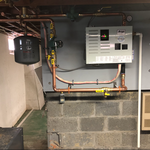
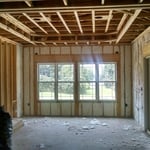
Additional Photos
Recommended by100%of homeowners
Energy Efficiency Auditing questions, answered by experts

Yes, installing an attic fan can help lower your electric bill—particularly if you live in a hot and humid region. By replacing hot and stuffy air with cooler air, these fans help regulate the temperature in your attic and the rest of your home, taking some of the pressure off of your air conditioner.

Yes, a dirty air filter can cause a higher electric bill. That’s because clogged filters make it harder for air to flow through your HVAC system, which forces it to work harder and use more energy. According to the U.S. Department of Energy, replacing dirty filters can save you between 5% and 15% in utility costs.

Homeowners can often access federal tax credits, such as the Investment Tax Credit (ITC), which covers a percentage of installation costs. Many states and utilities offer additional rebates, grants, or performance-based incentives. These programs can significantly lower your upfront investment. Check the Database of State Incentives for Renewables and Efficiency (DSIRE) or contact your local energy office for current offers.

Home power is measured in kilowatt-hours, commonly expressed as kWh. The average home uses between 800 and 1,000 kWh per month. Peak usage (and highest bills) occurs in the middle of summer and the depths of winter. Keeping on top of your usage during these crucial months will lower your annual average usage considerably. 

STC (Sound Transmission Class) is a rating that describes how well a building material or assembly blocks airborne sound. A higher STC rating means less noise will pass through the material, providing better sound reduction. This rating system applies to various building components, including windows, doors, flooring, drywall, and insulation.

For context, a typical single-pane window has an STC rating of around 25 (where normal conversations are audible), while a well-sealed, double-pane window can exceed STC 45 (blocking loud speech and most music). It is important to note that for some products, like soundproofing drywall, the STC rating refers to the entire wall system, not just the individual panel.

Additionally, STC ratings are most effective for measuring sound reduction at mid-to-high frequencies, such as human speech, and may not accurately reflect how well a material blocks low-frequency sounds like bass music or thunder. Because of these factors, it is recommended to consult a professional to determine the right STC-rated materials for your specific soundproofing needs.

The Champlain, NY homeowners’ guide to energy efficiency auditing services

From average costs to expert advice, get all the answers you need to get your job done.