





Top-rated excavation pros.

Get matched with top excavation pros in Wellington, NV

Enter your zip and get matched with up to 5 pros

Need a pro for your excavation project in Wellington, NV?

Select your specific project to find the pro for you.

Find Excavation pros in Wellington

Ball Grading and Excavating
New to Angi
Building Site - Preparation and ClearingExcavation - Major Grading or Resloping

Serving Wellington, NV and surrounding areas

Free estimates

Small jobs welcome

Credit card accepted

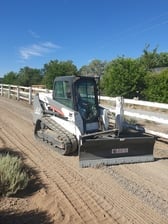
Hi there! We’re Ball Grading & Excavating, a proud family-owned company based in Northern Nevada. We specialize in excavation, grading, pad building, trenching, and concrete work for residential and small commercial projects. We got into this business because we love working hard, being outdoors, and helping our neighbors lay the groundwork for their homes, shops, and dreams. There’s nothing better than leaving a job site clean, level, and ready to build, knowing we did it right. We’re licensed, honest, and built on family values. When you hire us, you’re getting more than equipment, you’re getting a team that treats your property like it’s our own. We appreciate the opportunity to earn your trust and your business. Let’s move some dirt!

Avatar for J&J Connections Junk Removal & Clean
J&J Connections Junk Removal & Clean
New to Angi
Building Site - Preparation and Clearing

Serving Wellington, NV and surrounding areas

Free estimates

Small jobs welcome

Offers commercial services

At J&J Connections, we help homeowners and businesses reclaim their space quickly, safely, and stress-free.\n\nWe specialize in fast and reliable junk removal, including furniture, appliances, yard debris, garage cleanouts, construction debris, and more. Whether it’s a single item or a full property cleanout, no job is too big or too small.\n\nBut we don’t stop there.\n\nWe also offer:\n• House cleaning services – move-in/move-out cleaning, deep cleaning, and property refreshes\n• Material & item delivery services – transporting materials, furniture, and bulk items from Point A to Point B\n\nWhat sets us apart?\n✔ Local and dependable\n✔ Transparent pricing\n✔ Quick response times\n✔ Respectful, professional service\n✔ We leave your space cleaner than we found it\n\nOur goal isn’t just to remove junk. It’s to provide real value by helping our community stay clean, organized, and stress-free.\n\nMessage us today and let’s get your project handled the right way.

Showing 1-10 of 11
Excavating questions, answered by experts

The rules and regulations regarding groundwater use vary between states. To find out if you can dig a well on your property, you’ll have to consult these regulations, address any compliance requirements, and get the appropriate permits. It’s also important to check that your intended location has the right geology and water table to support a well.

You can dig 60 to 80 linear feet by hand per day depending on the depth. Digging a 100-foot trench by hand will take you two work days, but it can take longer if you have heavy or rocky soil. If you’re digging a deep trench or one that’s over 100 feet, consider renting a mechanical trencher, such as a walk-behind or ride-on, or calling a pro for help. 

No, a ditch isn’t a trench. A ditch is an open, relatively shallow channel that’s carved out of the ground and used for drainage purposes. In contrast, a trench is a deeper excavation that’s entirely underground. Trenches have many uses, including gas lines, sewage systems, and electrical wiring. Unlike trenches, ditches don’t get filled back in with dirt after they’re dug.

Septic drain lines (or leach lines) are typically buried between 18 and 36 inches underground, and should be at least 6 inches below the surface. These pipes are perforated and surrounded by filtering materials like sand or gravel. Burying the lines at this depth helps minimize odors and allows bacteria and other biological processes in the soil to effectively treat the wastewater. Burying lines too close to the surface can cause issues unless the soil is very compact and stable.

The best type of soil to build on is a mixture of sand and clay, known as loam soil. Loam soil has the best combination of these soil types to build a foundation on. The clay particles help with water retention, so it won’t erode like sandy soil might, and the sandy particles help with drainage, so you won’t see unsafe soil expansion or have an increased risk of leaks from water sitting against your foundation.

The Wellington, NV homeowners’ guide to excavation services

From average costs to expert advice, get all the answers you need to get your job done.