


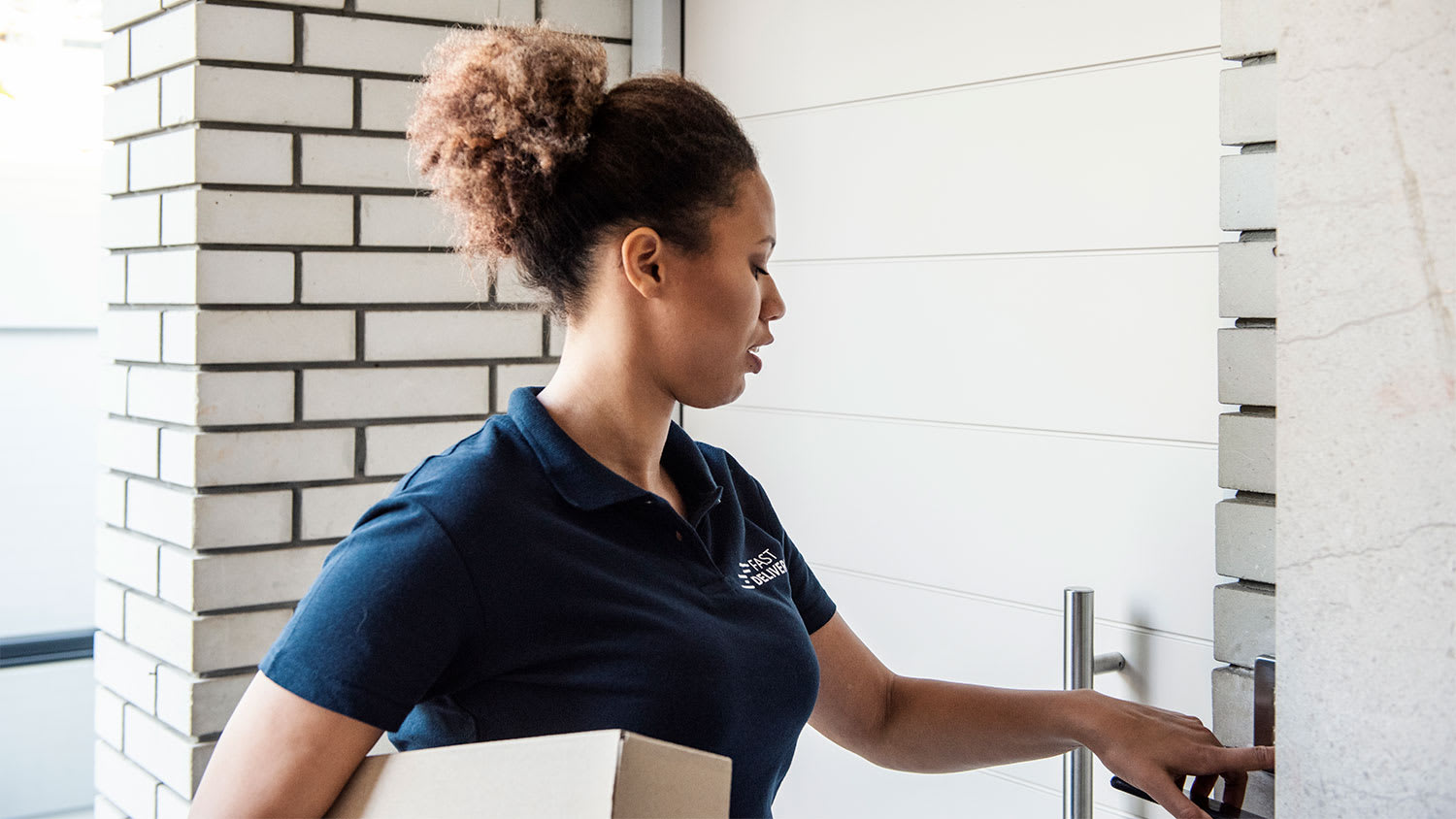
Top-rated doorbell installation pros.

Get matched with top doorbell installation pros in Overton, NV

Enter your zip and get matched with up to 5 pros

Need a pro for your doorbell installation project in Overton, NV?

Select your specific project to find the pro for you.

Find Doorbell installation pros in Overton

No results for Doorbell installation pro in

Try adjusting your search criteria.
Doorbell Installation questions, answered by experts

While insulation is required for all exterior walls in a house, it is not typically required for interior walls. Local and state building codes mandate that new construction homes have adequate insulation in exterior walls and ceilings to suit the local climate.

However, there are several benefits to adding insulation to interior walls. It is excellent for sound-dampening between rooms and can help with temperature control by maintaining a regulated temperature in specific rooms and lowering heat transfer between adjacent areas. Insulating interior walls can also contribute to the overall energy efficiency of your home.

The most affordable way to insulate behind unfinished walls is to install fiberglass batts or rolls. These total around $0.75 per linear foot, with the width matching the gaps between standard studs perfectly. However, it’s important to consider the R-value of your insulation and the climate in your area, as fiberglass insulation isn’t the best in terms of preventing heat transfer. Plus, the most affordable option may cost more on electricity bills over time. The most affordable way to insulate behind finished walls is to leave them up and use blown-in insulation to avoid drywall replacement.

Yes, you can install insulation behind drywall yourself, but only if your walls are not finished. If your studs are exposed, installing fiberglass insulation in roll or batt form is very straightforward and just requires a few tools and some safety equipment. If your walls are already finished and you’re looking to add insulation, it’s better to hire a professional, as you’ll likely need blown-in insulation, which can be dangerous to work with and a challenge to get into the proper areas in your wall voids.

The most affordable way to insulate a garage involves choosing cost-effective materials like fiberglass, which comes in batts or rolls and is relatively easy to install. You can often install this type of insulation without needing to add drywall, which helps reduce costs. While a DIY approach might seem cheapest, hiring a professional installer can be highly cost-effective. Experts can accurately determine your garage's specific insulation needs and ensure the best results for your investment, often using batt insulation for the bulk of the project.

R-30 insulation is better for higher thermal resistance, but whether it’s "better" depends on the application. R-30 is much thicker and suited for areas like attics or floors in cold climates, where more insulation is required. R-13, on the other hand, is thinner and works well for 2x4 walls or milder climates where less insulation is sufficient. Choosing between R-13 and R-30 depends on the area being insulated and the climate. For example, R-30 provides more insulation but may not fit everywhere in your home.

The Overton, NV homeowners’ guide to doorbell installation services

From average costs to expert advice, get all the answers you need to get your job done.