



Top-rated landscapers.

Get matched with top landscapers in Mcgill, NV

Enter your zip and get matched with up to 5 pros

Need a pro for your landscaping project in Mcgill, NV?

Select your specific project to find the pro for you.

Find Landscapers in Mcgill

Graham the Handyman
New to Angi

Serving Mcgill, NV and surrounding areas

In business since 1985

Free estimates

Credit card accepted

Graham Brothers is a locally owned and operated company that values honesty and integrity in all aspects of our business. Our dedicated team of professionals have over 40 years of hands on experience, to provide innovative ideas and suggestions tailored to your projects. Our services are customized to your individual needs, paying close attention to the details of each project that we are involved with. Please feel free to contact us today!\n

Landscaping questions, answered by experts

Late August, September, and mid-October are the ideal months for planting a young tree. However, the best time to plant a tree ultimately depends on when the weather transitions to fall-like conditions and eventually winter frost. As long as the hottest days of summer have passed and the ground hasn’t frozen yet, you can still successfully plant trees.

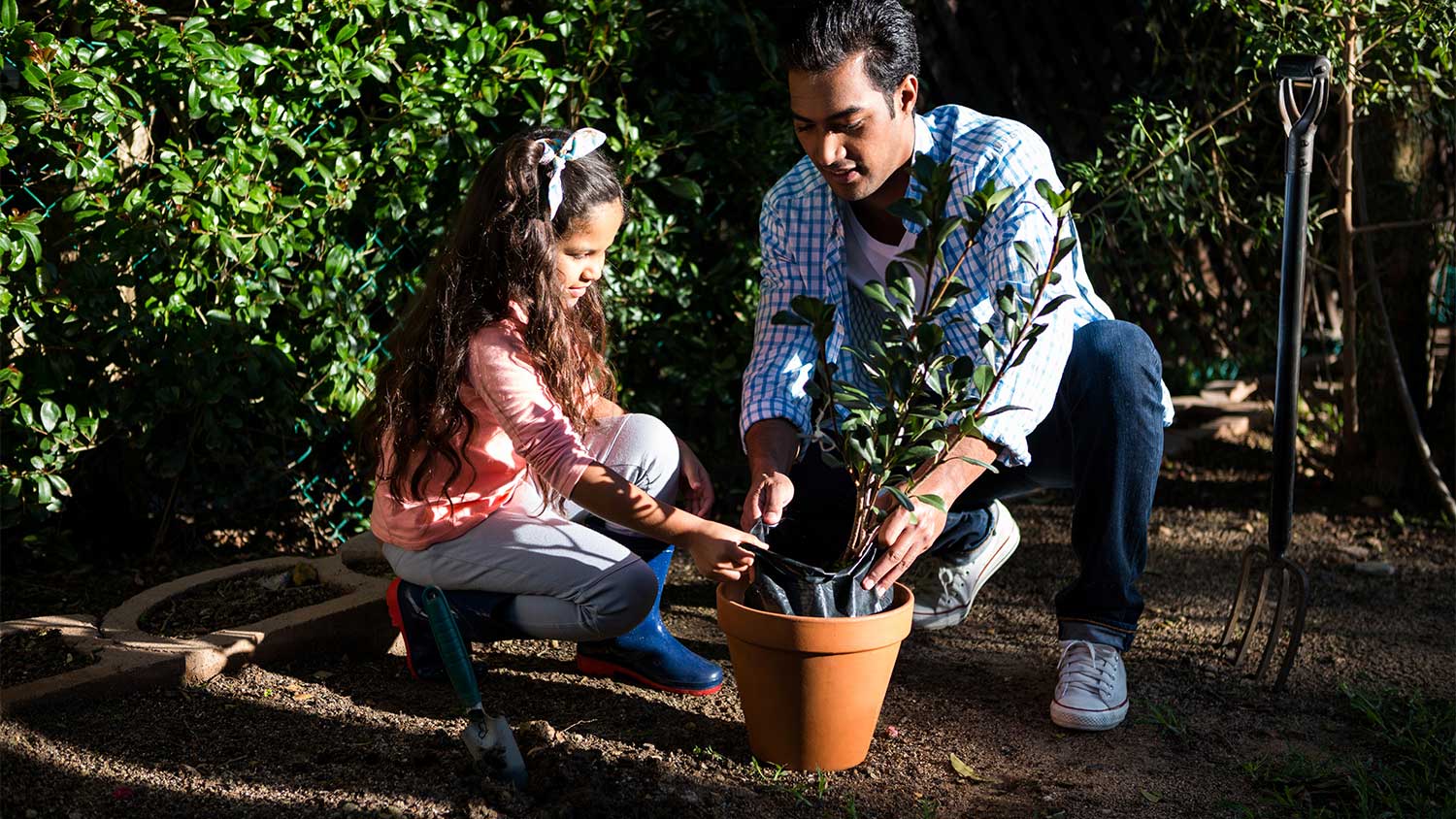
Buying plants from a nursery is one thing, but ensuring that they are properly planted is another. While you might not need to hire a landscaper for every plant that you buy from a nursery, it’s a great idea to have their expertise and experience to plant larger items, like burlapped trees or specialty plants like rose bushes. Even better, before making a trip to a nursery to buy new plants, consult a local landscaper to test your soil for pH levels, soil texture, and phosphorus and potassium levels to help determine the best plants for your area.

Unless it only rains once in a blue moon where you live, you’re going to want water-loving plants in your garden bed or pot. A few ideas for plants that aren’t super fast-growing (meaning they’re good in pots or near foundations) and can handle a lot of standing water include: 

  • Acorus (Sweet flag)

  • Colocasia esculenta (Taro or elephant ear): In many climates, these are annuals, making them less desirable because you need to adjust the chain again after each replant.

  • Equisetum scirpoides (Dwarf horsetail rush): non-dwarf varieties of horsetail are fast growers and can take over quickly.

  • Juncus effusus (Curly rush)

  • Osmunda regalis (Royal fern): Royal fern can grow quickly but can also handle being crowded, making them good container plants.

There are two main times of year to apply mulch: mid to late spring and late fall. Spreading mulch in mid to late spring helps protect new seedlings as the soil warms up. It's best to wait until temperatures are steady, as mulching too early in the spring can slow down the soil's warming process and hinder plant growth. Fall mulching is also beneficial, as it insulates the soil and helps regulate its temperature when the first frosts arrive.

As much as you might try to keep a healthy, nutrient-rich lawn, you still may notice signs of St. Augustine decline (SAD)—a viral disease that discolors your grass blades. St. Augustine decline looks like:

  • Discoloration in the leaves (chlorosis)—leaves appear yellow and splotchy

  • Decline in growth

  • Leaves turn black within 3 years

  • Grass appears less vibrant

  • Grass begins to thin

  • Root rot

  • Grass takes longer to recover

The Mcgill, NV homeowners’ guide to landscaping services

From average costs to expert advice, get all the answers you need to get your job done.