





Top-rated landscapers.

Get matched with top landscapers in Spring Creek, NV

Enter your zip and get matched with up to 5 pros

Need a pro for your landscaping project in Spring Creek, NV?

Select your specific project to find the pro for you.

Find Landscapers in Spring Creek

Avatar for TheseHappyDaysRepair&Maintain, LLC
TheseHappyDaysRepair&Maintain, LLC
4.8(
6
)
Lawn Care - Maintain and Mow a Lawn

Serving Spring Creek, NV and surrounding areas

In business since 2022

Emergency services offered

Credit card accepted

"Greg did an amazing job with everything. He was professional courteous had all the answers to all my questions and even pointed me in all the right directions as far as finding out more questions for raw funding to help with the construction and renovation fees. Overall, I think he did an amazing job and I would recommend them to anyone any time anywhere."
Handymen Project
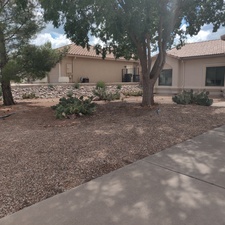
Additional Photos
Additional Photos
Additional Photos
Recommended by100%of homeowners

Showing 1-10 of 21
Landscaping questions, answered by experts

You can fill the holes weeds leave behind with soil or sand to avoid unsightly spots or tripping hazards. If you remove weeds from a grassy area, fill the hole with soil and grass seed, and water regularly to promote grass growth.

The best type of rock for landscaping depends on your specific project and needs, as different rocks are suited for different applications. For covering large areas or creating an affordable driveway, consider gravel, but note that it can wash away in flowing water. For water features, river rocks are a good option. Flagstone and cobblestone are ideal for aesthetically pleasing patios and walkways. If you are building a stone wall, fieldstone or small boulders are up to the task. Large boulders and landscape rocks work well as statement pieces, to fill empty space, or to indicate boundaries, but be mindful that they can overwhelm smaller gardens. The best approach is to first define your landscaping project and then select the rock type that best fits that purpose.

Hedge plants are available in almost every size, from seedlings to fully mature, six-foot-tall shrubs. Planting smaller plants is much easier and more cost-effective. However, it can take years for the plants to reach maturity and create a full hedge. Garden centers and specialty retailers sometimes offer three to four-foot wide plants that you can simply plant next to each other for an instant full hedge.

Most experts recommend a quarter-inch layer of compost for best results, and you will need about .77 cubic yards of material per 1,000 square feet. To measure how much compost to use, take the square footage of your yard and multiply it by .77, then divide that number by 1,000.

There are two main times of year to apply mulch: mid to late spring and late fall. Spreading mulch in mid to late spring helps protect new seedlings as the soil warms up. It's best to wait until temperatures are steady, as mulching too early in the spring can slow down the soil's warming process and hinder plant growth. Fall mulching is also beneficial, as it insulates the soil and helps regulate its temperature when the first frosts arrive.

The Spring Creek, NV homeowners’ guide to landscaping services

From average costs to expert advice, get all the answers you need to get your job done.