"I only use James when I need some work done to my house. He responds fast, gets the work done quicker than just about anyone else I've ever used and seems very concerned with leaving his customers happy."
Whether to waterproof your basement from the interior or exterior depends on several factors, including your budget.
Exterior waterproofing is generally considered the superior method because it stops water at the source, preventing it from seeping into and damaging your basement walls. This approach offers the most protection, making it ideal if you use your basement for storage.
By contrast, interior waterproofing is often less expensive and requires less labor because the area is more accessible.
For maximum protection against water leakage and moisture, applying waterproofing measures to both the inside and outside is the best solution. However, if you must choose only one, stopping water from the outside is the most effective approach to preserve your foundation and prevent damage.
Basements with persistent moisture problems or flooding shouldn’t be finished until the moisture issues have been fixed. In addition, if your foundation is cracked, you have unmitigated radon levels, or you have asbestos or lead pipes, remediate the underlying problem before finishing your basement. Turning a basement into living space before fixing these issues can lead to serious health risks or structural damage.
Due to the nature of basements, some level of waterproofing is necessary to prevent water from seeping in and causing damage. Some definitive signs that your basement needs waterproofing measures or needs existing waterproofing measures need to be updated include:
Water in your basement, including damp walls or puddles on the floor
Mold spots in your basement
Musty smells or odors
Warped doors or walls
Cracks in walls
Insect issues, such as cockroaches and termites
Mold and other fungi love moisture, so the best way to prevent mold growth after water damage is to remove as much moisture as possible. First, find the source of the water or moisture, such as a leak or clogged gutters, and correct the problem. Next, remove standing water, vacuum up puddles with a shop vacuum, and run blower fans and dehumidifiers for 24 to 72 hours. Once you've removed all traces of moisture, disinfect the area using either vinegar or bleach to kill any remaining mold spores.
Mold growth is just one common sign of excess moisture in the bathroom. You may also see the paint in the room start to peel away from the walls, or that the walls remain wet for some time after you bathe.
Condensation on the windows is another sign that your bathroom has a potential moisture problem. The room itself may start to smell like mildew.
The Lovelock, NV homeowners’ guide to basement waterproofing services
From average costs to expert advice, get all the answers you need to get your job done.
Need to fix basement water problems or safeguard your home from damage in the future? Use this basement waterproofing cost guide to budget appropriately.
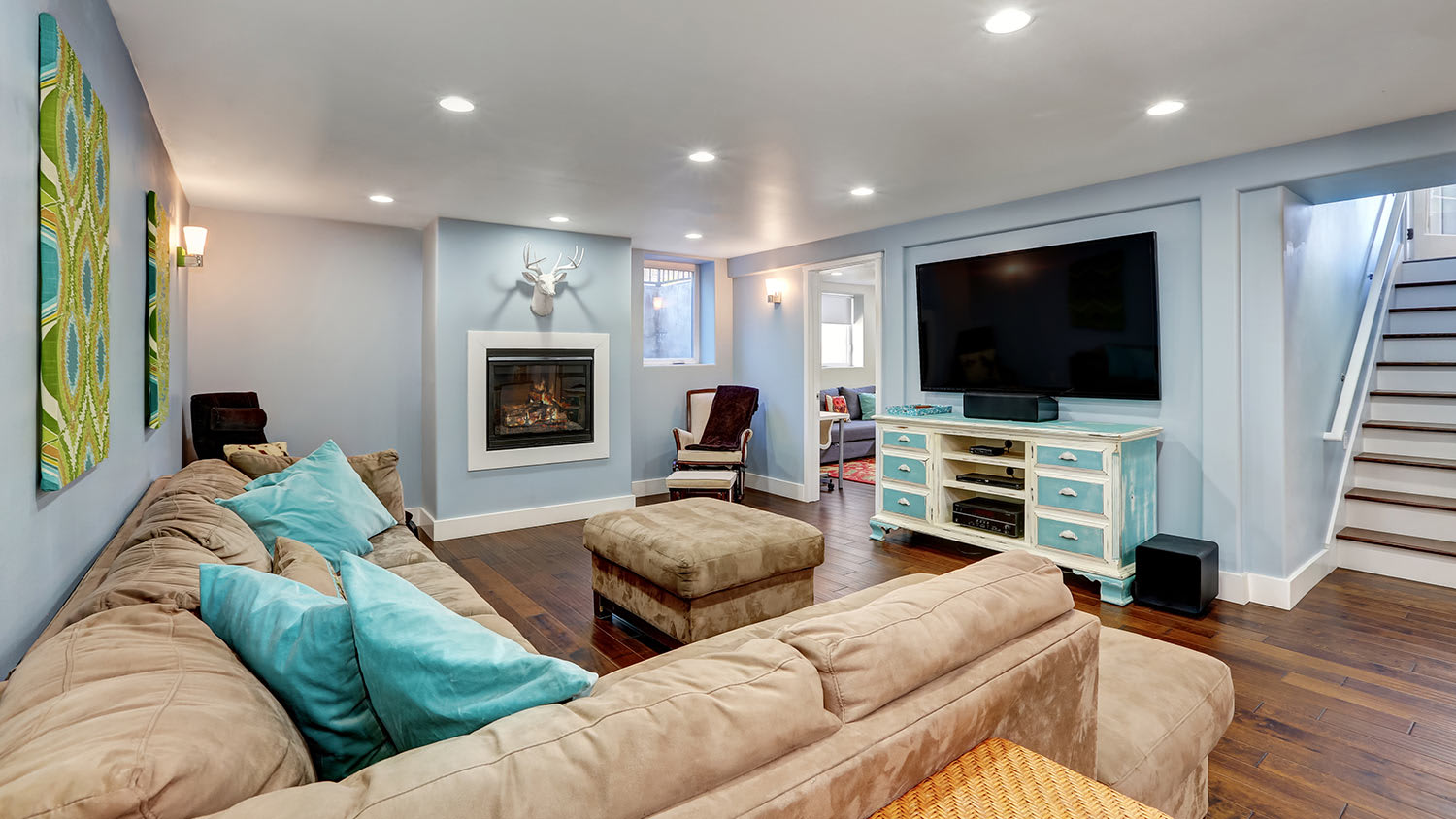
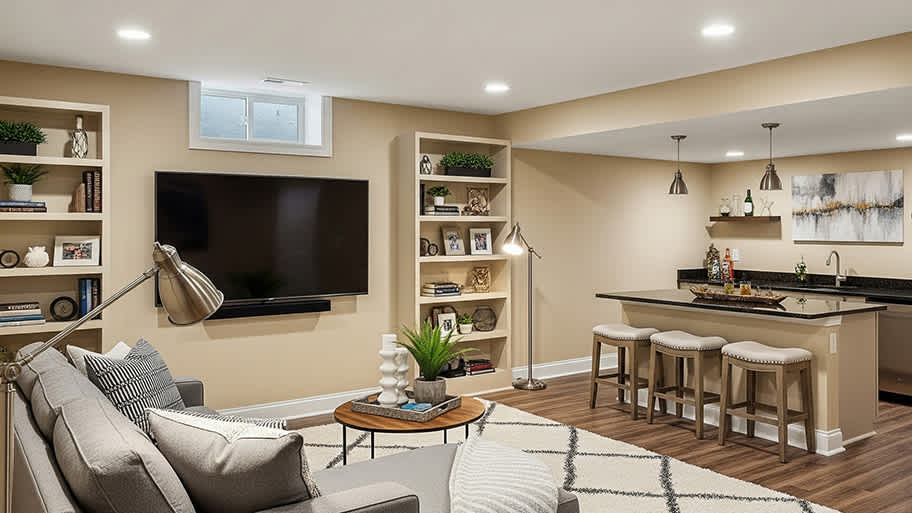
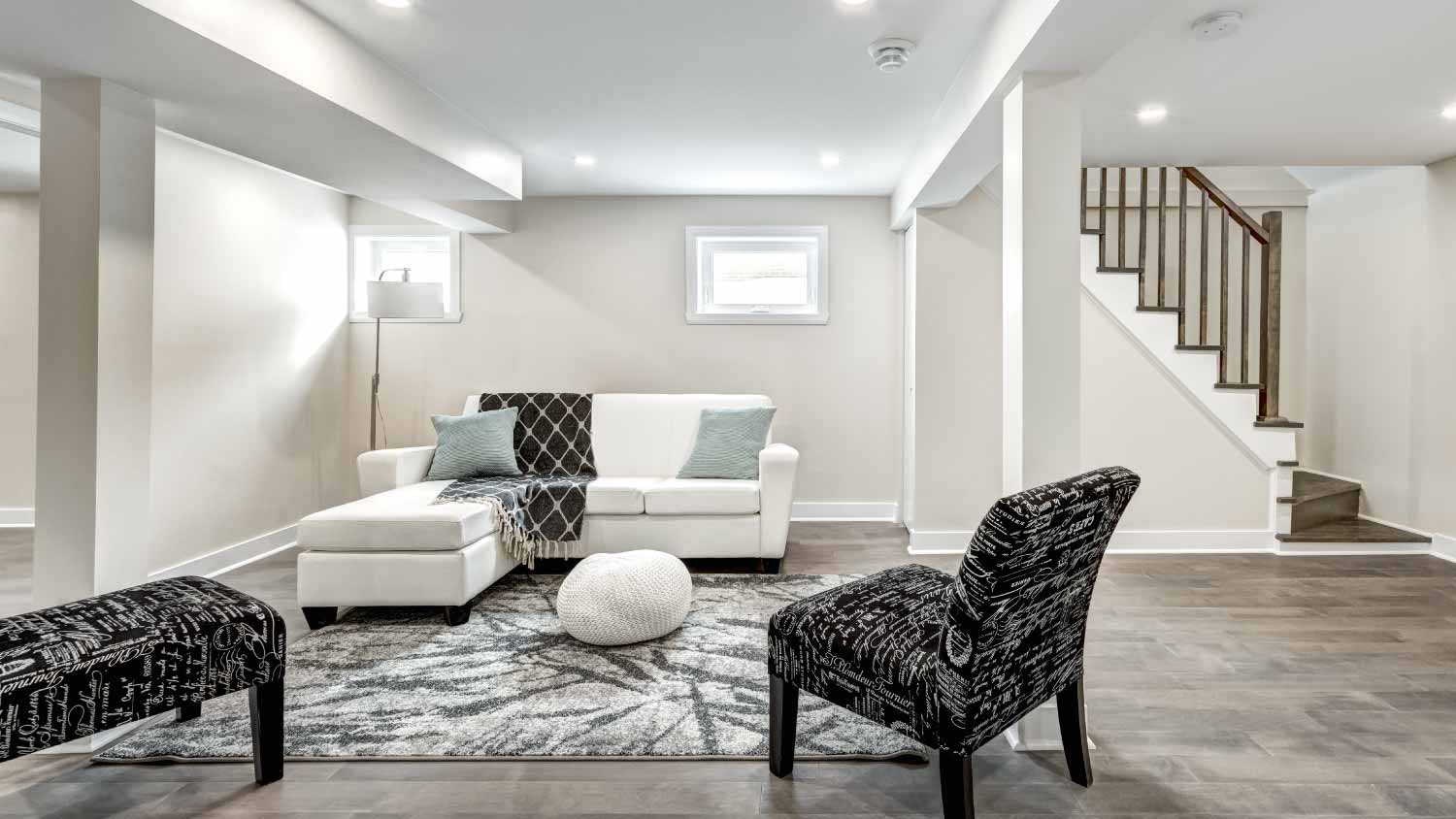
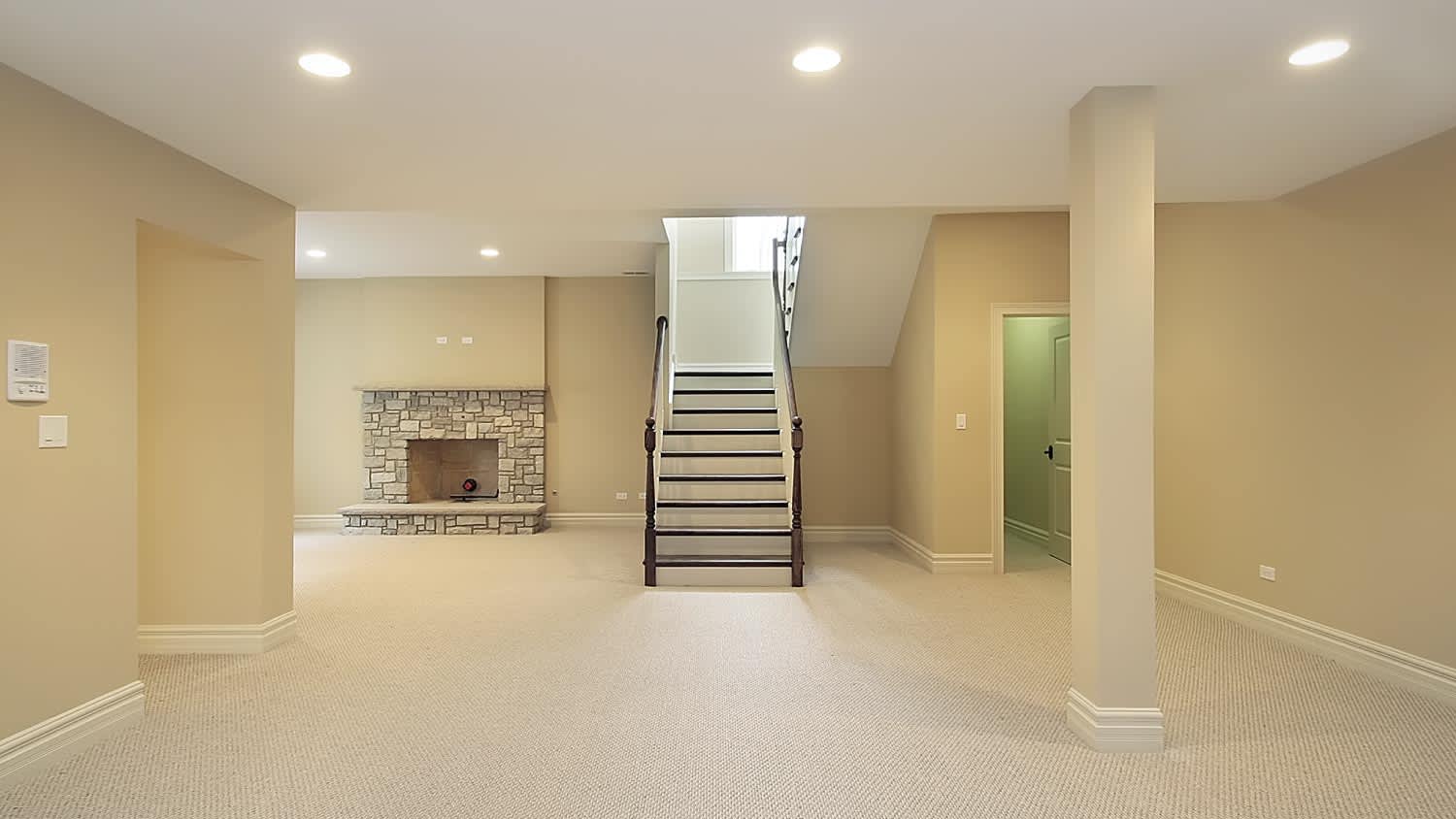
An unfinished basement has a lot of potential for a family room or guest suite. So how much does it cost to finish a basement? Read on for all cost factors.
Dealing with a damp basement? Follow these steps for DIY basement waterproofing to keep water and moisture out and boost your home’s energy efficiency.
Can’t seem to get rid of the moisture and mold in your basement? Learn why basements tend to hold moisture and how to get rid of moisture in the basement.