


Top-rated energy efficiency auditors.

Get matched with top energy efficiency auditors in Laughlin, NV

Enter your zip and get matched with up to 5 pros

Need a pro for your energy efficiency auditing project in Laughlin, NV?

Select your specific project to find the pro for you.

Find Energy efficiency auditors in Laughlin

Avatar for Home Energy Connection, LLC
Home Energy Connection, LLC
4.7(
20
)
Energy Audit - For BusinessHome Energy Audit

Serving Laughlin, NV and surrounding areas

Approved

In business since 2007

Free estimates

Credit card accepted

"Why did I get an Energy Audit. So I could make informed decisions about how best to cut my energy bill for a tight budget. For me that was sealing up little cracks around light switches and bathroom fans. $50 of calking and foam. I estimated everything to an 8" x 8" opening. Two hours of work and it's like I closed a window that was opened a couple inches. For the next step It turns out I have plenty of insulation in my attic. It's just not installed correctly, hopefully I can do it myself or get a handyman to do it for a couple hundred dollars."
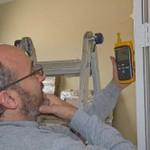
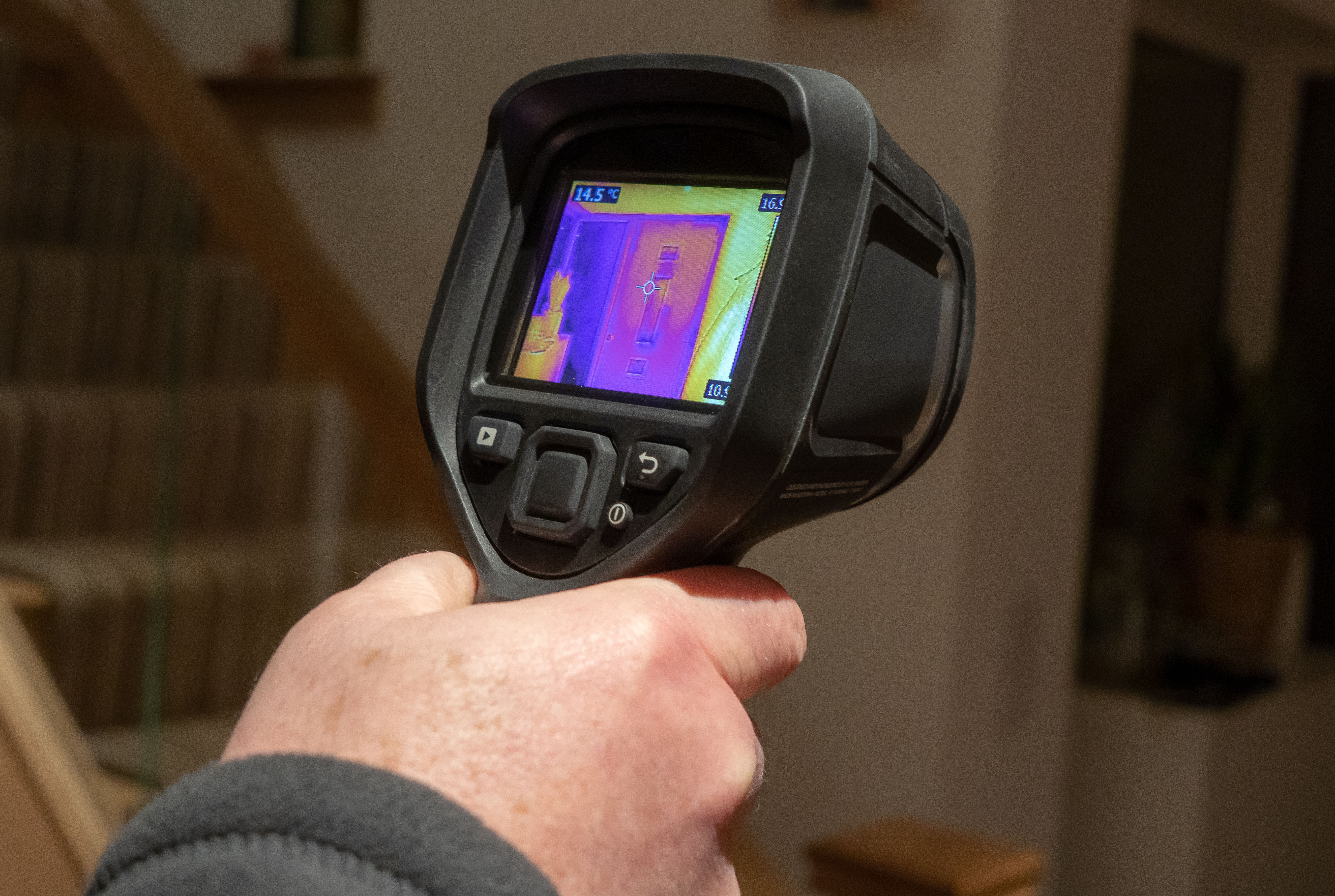
Collecting temperature data
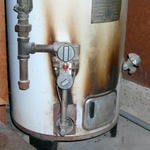
 Backdrafting
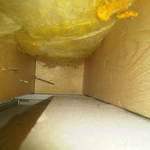
 Mis-aligned insulation (R-0)
Response time4 hrs
Response rate100%
Recommended by100%of homeowners
Energy Efficiency Auditing questions, answered by experts

To find a reputable home energy auditor, start by researching local companies that offer the service and check their reviews, methods, and certifications. The most reputable professionals are often Home Energy Professional (HEP)-certified by the Building Performance Institute (BPI). You can also consult the Department of Energy’s certified list of energy auditors or use a state licensing tool to review local guidelines and ensure you are hiring a certified professional for your area.

Energy-efficient windows are judged on their performance according to a few different factors, including heat transfer, air leakage, light transference, and condensation resistance. If you're unsure whether a window is energy-efficient, look for an ENERGY STAR® label from the U.S. Environmental Protection Agency (EPA). If various products, including windows, meet energy-efficiency standards set by the federal government, the EPA issues this label to help consumers identify energy-efficient products.

Keep the unit full but not overloaded, ensure door seals are tight, set correct temperatures, and avoid frequent door openings. Position the appliance away from heat sources for optimal performance.

Motion-sensor lights use one watt while on standby and five watts while turned on. They’re usually on for one hour over a 24-hour period, bringing the total wattage to about 28 watts per day. LED lights use around 6.5 to 8 watts while on. If you leave an LED light on all night, with night ranging from 10 to 14 hours, you’re looking at using 65 to 112 watts a night. You can minimally cut your wattage in half by switching to a motion-sensor light.

Window AC units use a fair amount of electricity, but significantly less than central AC systems. Because they are more energy-efficient for cooling individual rooms or small spaces, their usage is comparatively low. On average, a window AC unit consumes between 500 and 1,400 watts, while a central AC system uses over 3,500 watts—meaning a window unit uses about one-third of the energy. This typically translates to a monthly running cost of $15 to $40, although this can vary depending on external factors.

The Laughlin, NV homeowners’ guide to energy efficiency auditing services

From average costs to expert advice, get all the answers you need to get your job done.