

Top-rated concrete leveling pros.

Get matched with top concrete leveling pros in Fernley, NV

Enter your zip and get matched with up to 5 pros

Need a pro for your concrete leveling project in Fernley, NV?

Select your specific project to find the pro for you.

Find Concrete leveling pros in Fernley

Avatar for 4 Concrete
4 Concrete
4.7(
42
)

Serving Fernley, NV and surrounding areas

Approved

In business since 2001

Free estimates

Small jobs welcome

"Anthony & crew at 4 Concrete were great to work with. Very nice guys, informative, and know what they're doing. Work quality is good, but was final clean up could have been a touch better. I had some minor cleaning up to do once they were done and concrete cured."
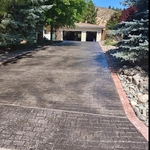
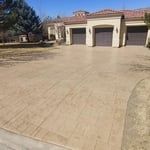
Stamped Driveway with Color
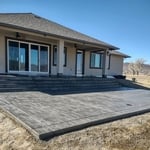
Stamped and Stained Patio
Driveway Stamped and Stained
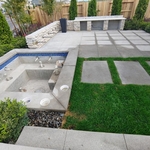
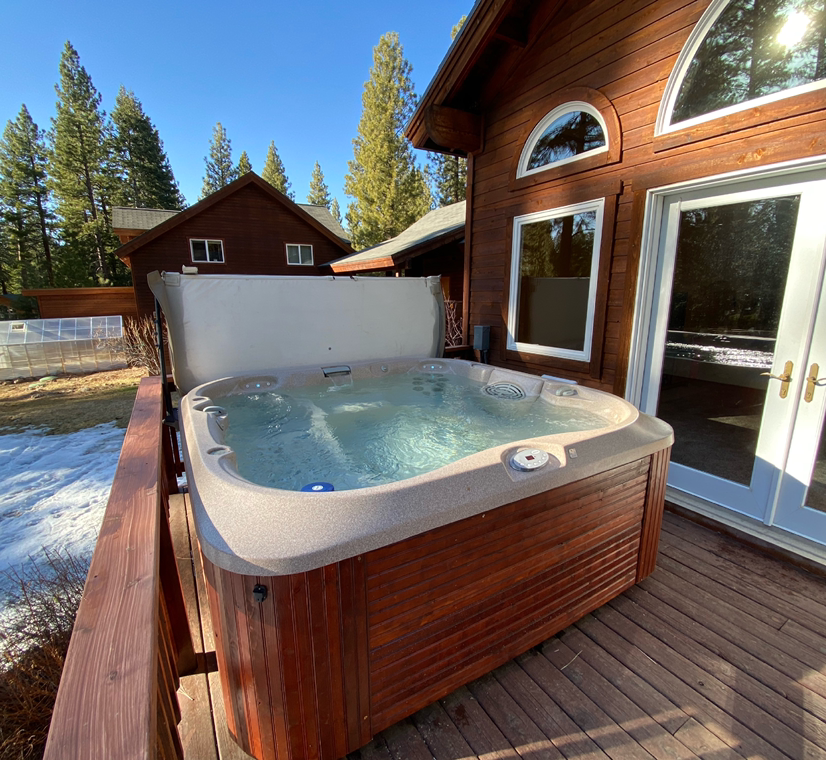
Backyard Patio and Hot Tub with Sand Finish
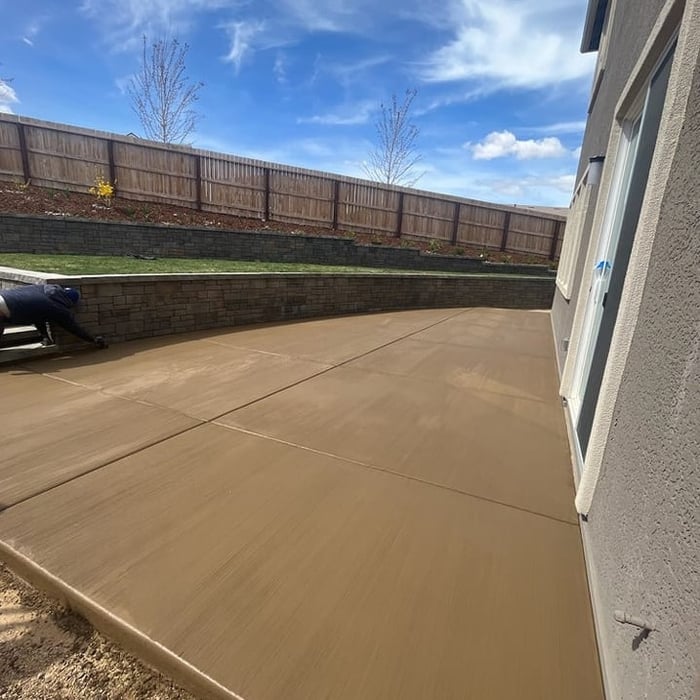
Patio with Broom Finish and Color

+19

Response time2 days
Recommended by94%of homeowners
Concrete Leveling questions, answered by experts

Generally speaking, push piers—or steel piers—are the best option for underpinning, as they reach down to solid bedrock to find support for your foundation rather than relying on soil, which could be subject to the same issues as the soil directly below your foundation. However, the best underpinning method for your home depends on your location, how far down the bedrock is, and the type of soil in your area. Helical piers are usually the best option for sandy soil or in areas where the bedrock is too deep to use steel piers.

Most houses are expected to settle over time, but foundation sinking of more than a few inches or uneven sinking of more than an inch for every 20 feet is cause for concern. Any significant or uneven sinking should be assessed by a professional to determine the cause and perform any necessary repairs. 

A good slump height really depends on the project, but there is a use for nearly all slump levels. For example, low slumps are best in projects that require structure, such as curbs and roads. High slumps often require additional reinforcement, but they flow more freely into hard-to-reach spaces.

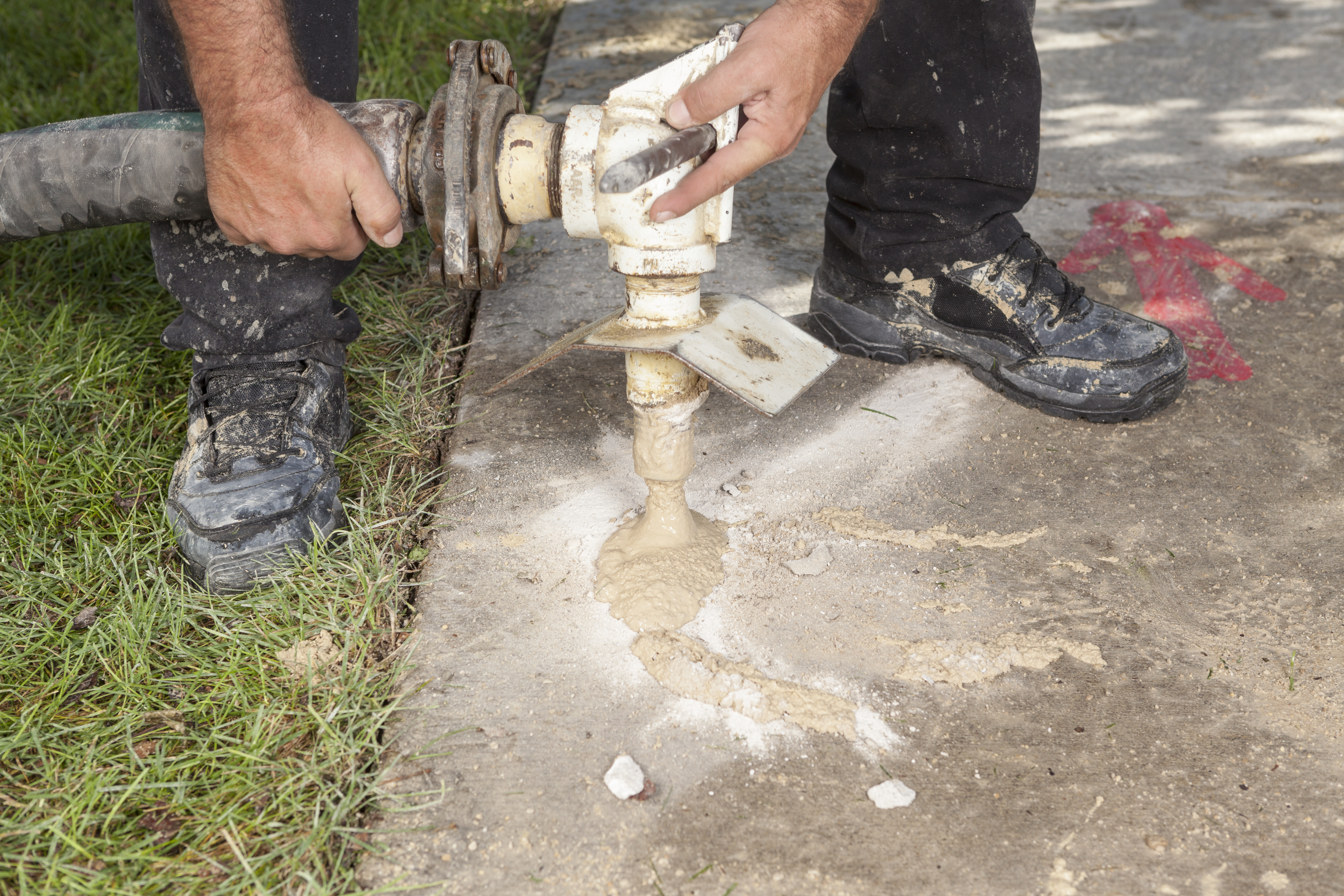
Mudjacking typically takes 24 to 72 hours (one to three days) to dry and cure completely before you can resume normal use. The exact time can vary depending on the size of the project. Because the slurry mixture contains cement, it must fully harden to ensure that added weight from walking, furniture, or vehicles won't shift the concrete slab. A professional contractor can advise you on when the surface is safe to use. For comparison, if you use polyjacking instead, the polyurethane foam can dry in just a few minutes, but it's best to wait about an hour before use.

Mudjacking typically takes 24 to 72 hours (one to three days) to dry and cure completely before you can resume normal use. The total drying time can vary depending on the size of the project. Because the slurry mixture contains cement, it needs to harden fully to prevent the concrete slab from shifting under added weight. You should avoid walking on the concrete or placing heavy items like furniture or vehicles on the surface until it has fully set. Your concrete contractor can provide a precise timeline. As a point of comparison, if you opt for polyjacking, the polyurethane foam can dry in minutes, but it's recommended to wait about an hour before use.

The Fernley, NV homeowners’ guide to concrete leveling services

From average costs to expert advice, get all the answers you need to get your job done.