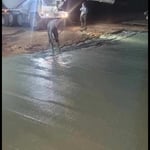
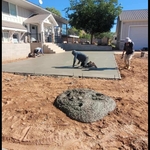
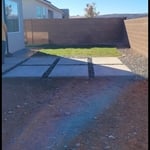
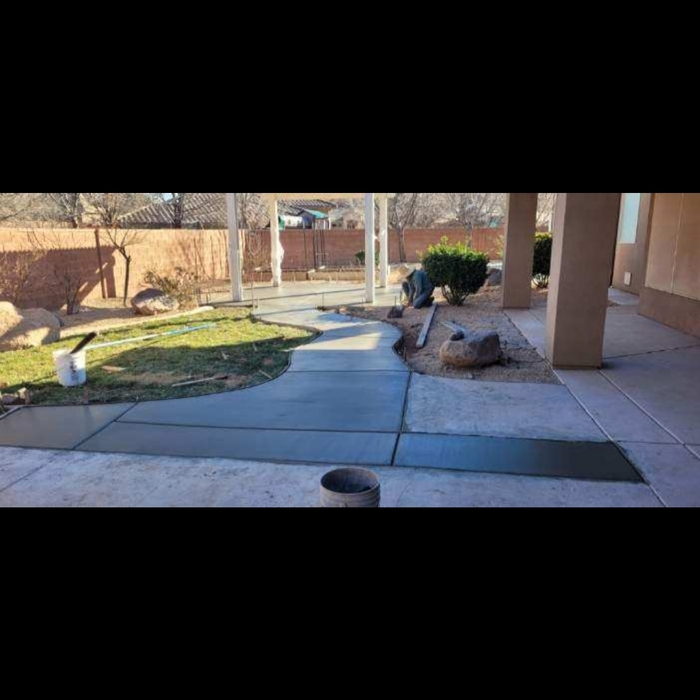
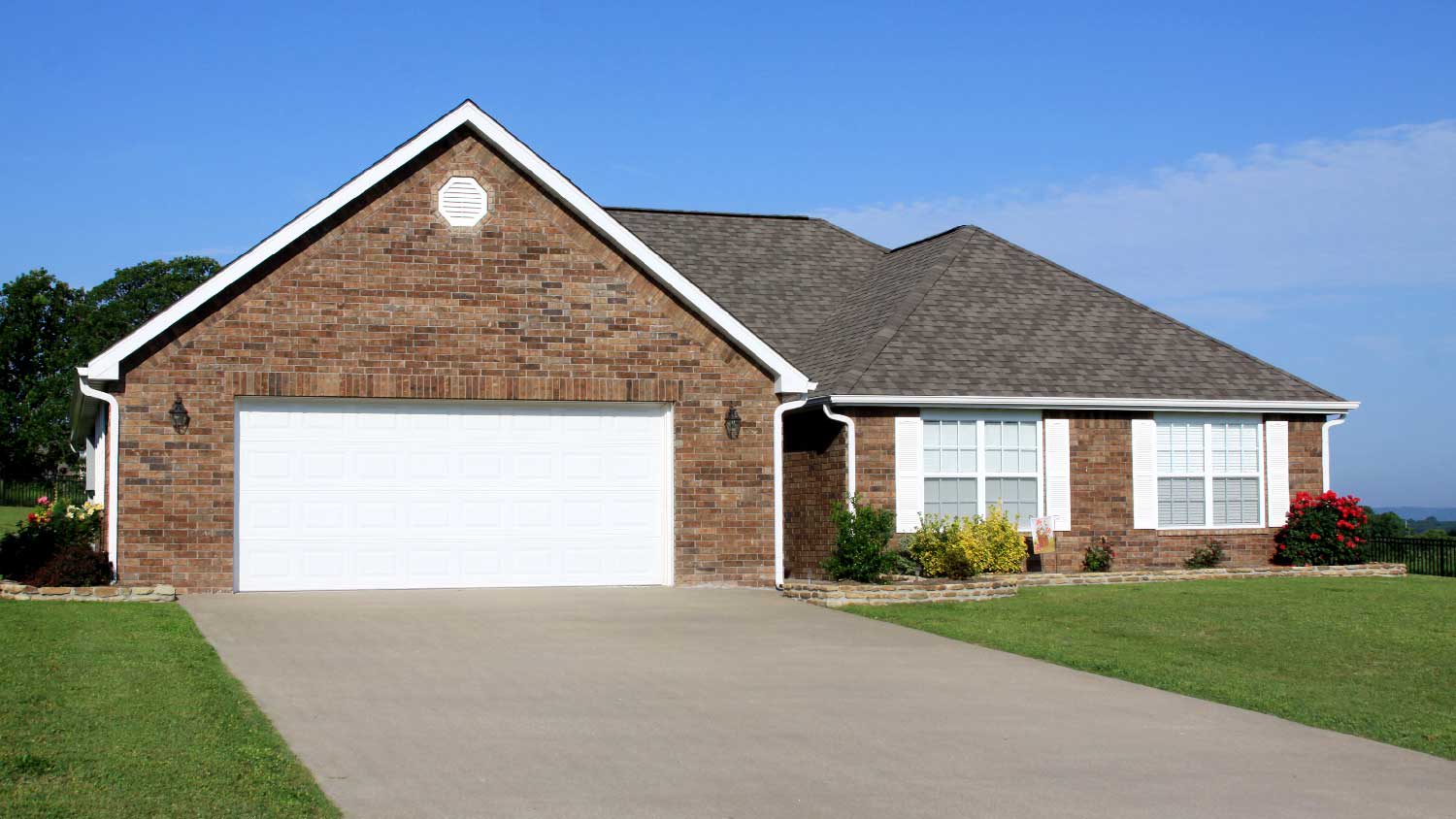
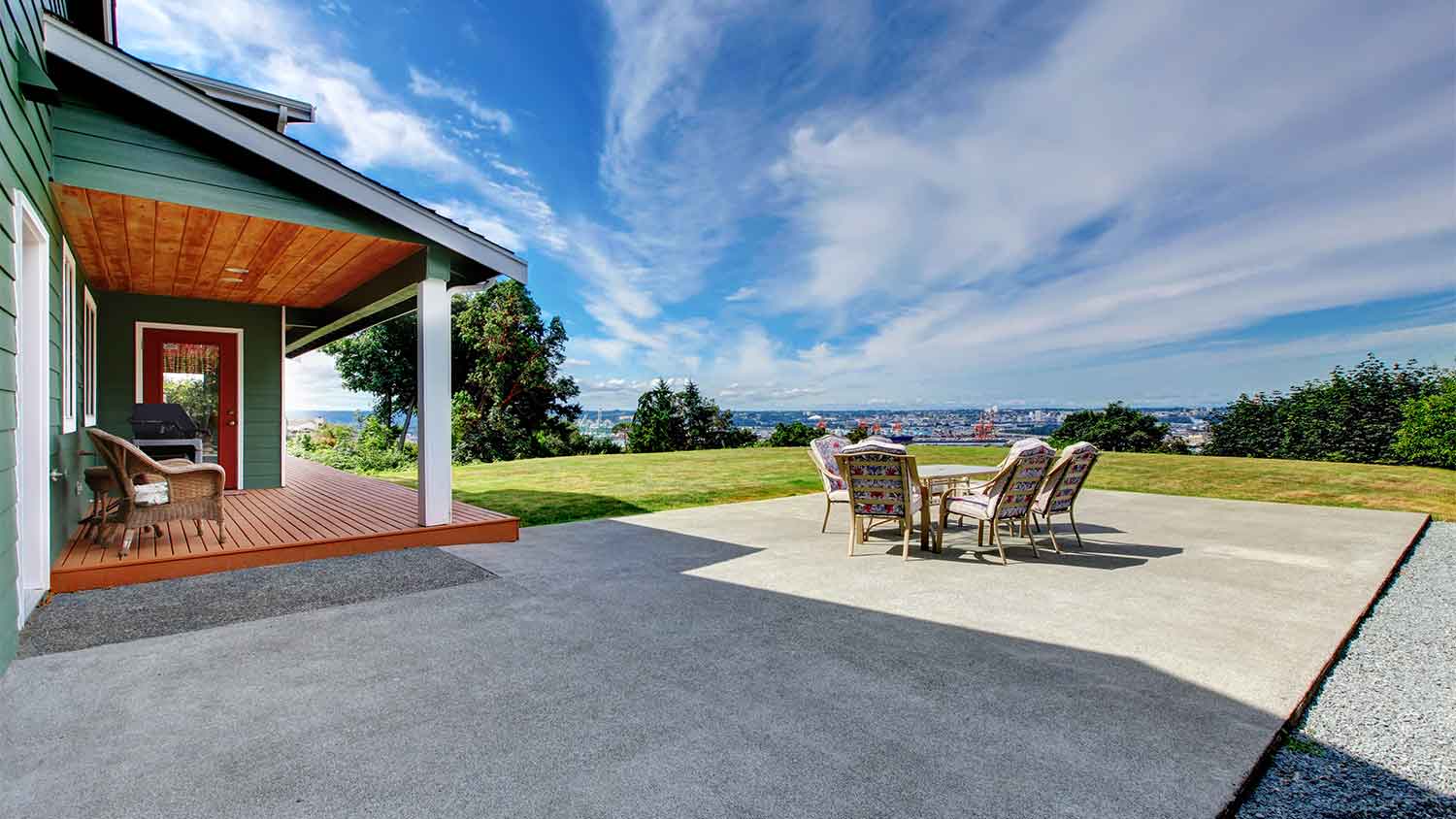
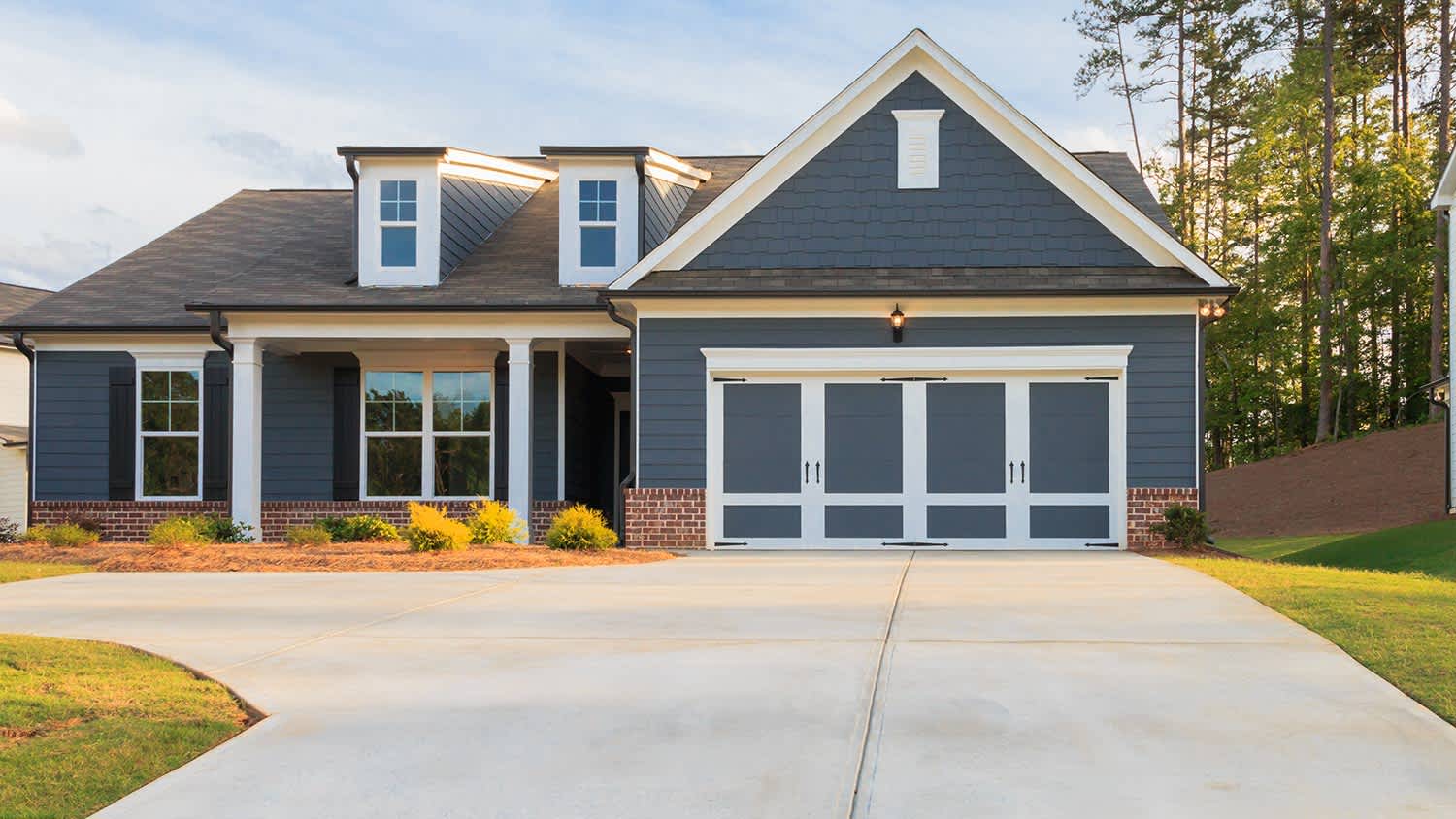
FHM Construction LLC is a local family-owned, business that provides Residential and Commercial Concrete, Asphalt, and Excavation Services. Please contact us for your new project and our experienced team will get the job done. Whether you are looking for a Driveway, Walkway, or a large Parking lot we are the right choice.
Our mission is to be a provider that brings back the personal touch with our customers. We will build a relationship that will last a lifetime after you see our quality work. As a locally owned and operated business we feel invested in our clients and constantly strive for customer satisfaction. Call or message us to schedule an estimate today!
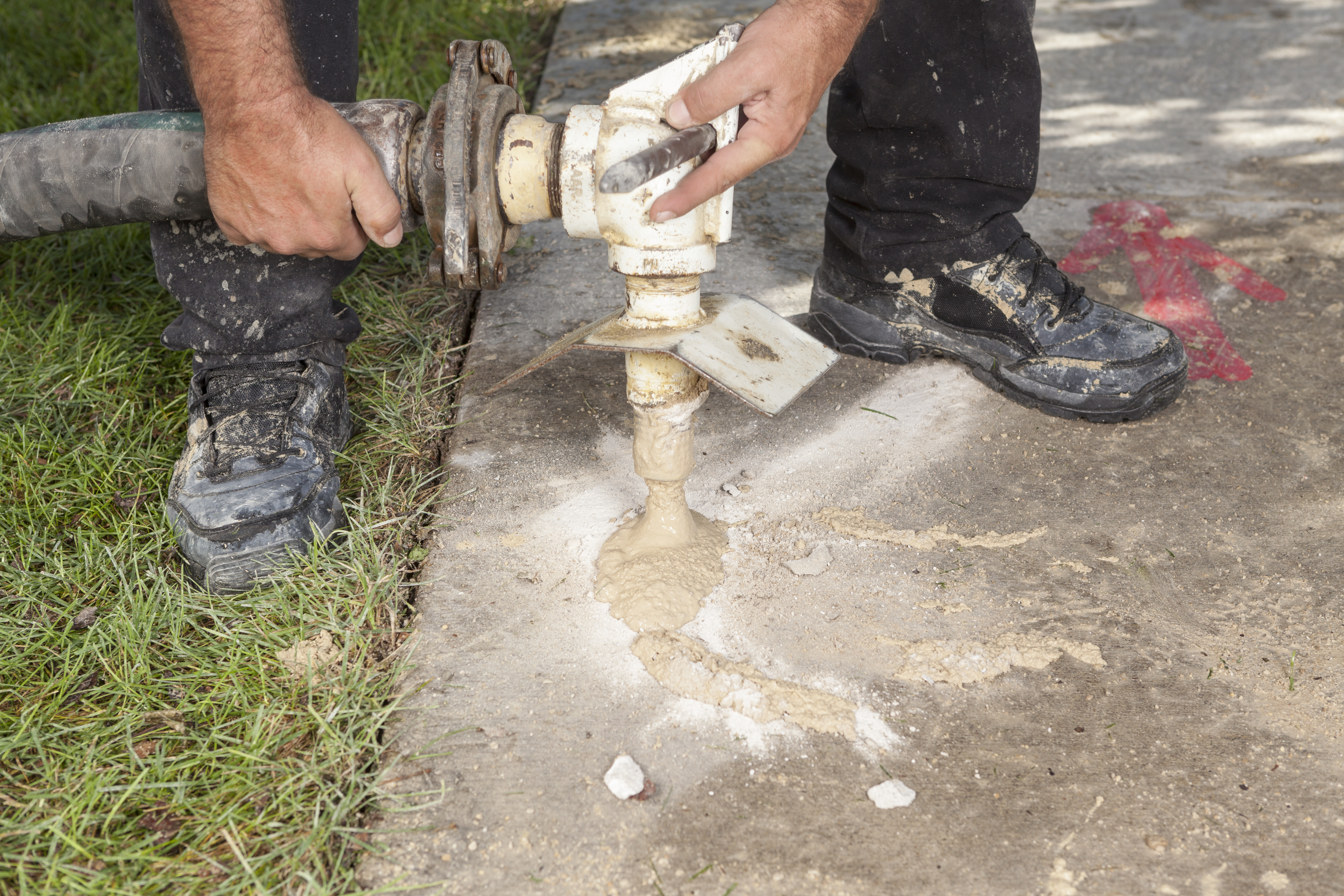
Concrete Mudjacking questions, answered by experts
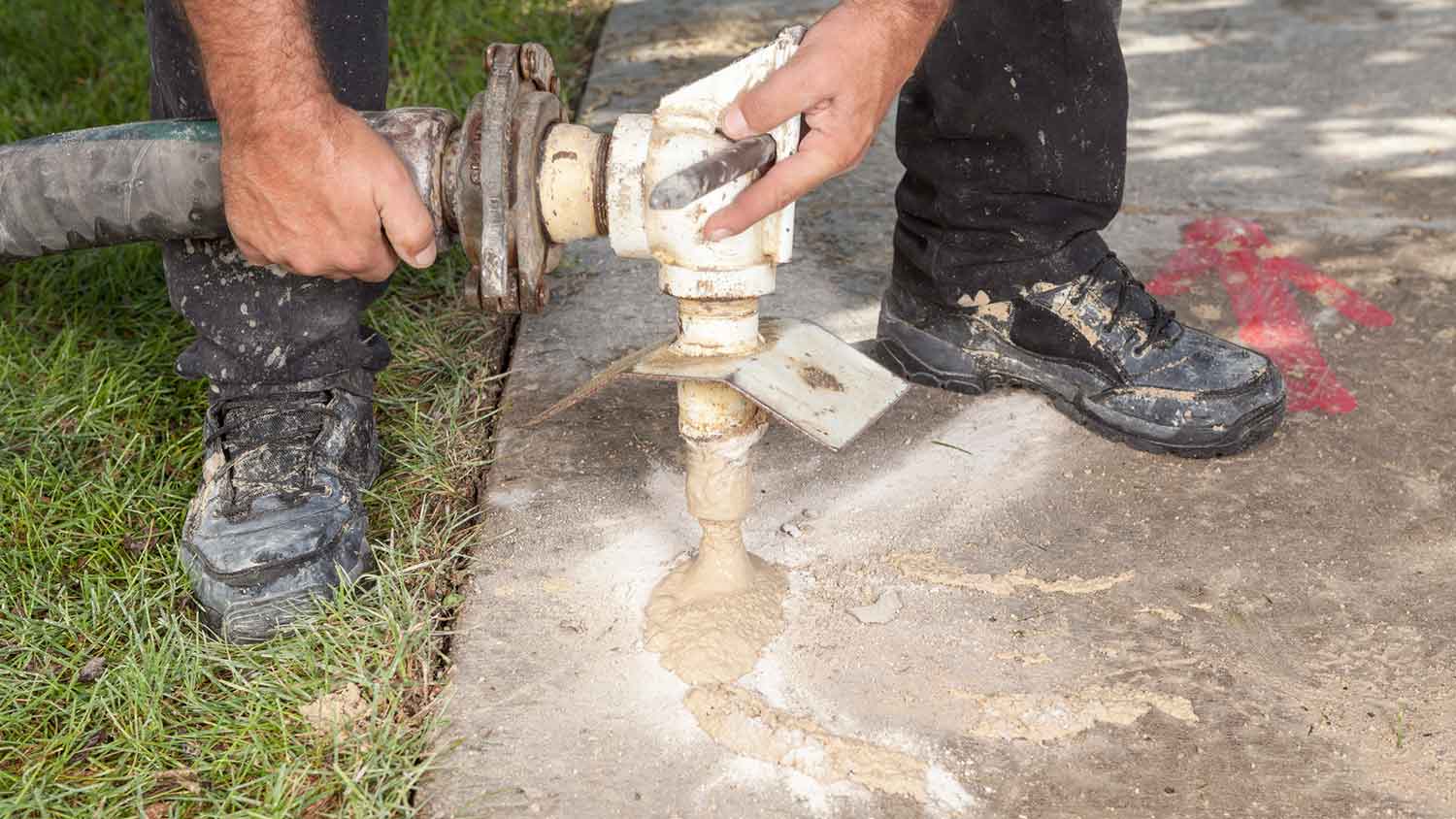
Mudjacking restores level surfaces, prevents further damage, and is more cost-effective than a full replacement.
Yes, expanding foam (also known as polyurethane foam) can lift concrete. This approach, called polyjacking, involves injecting the foam rather than concrete slurry to fill voids and raise the concrete slab back into place. It’s often faster and requires smaller drill holes than traditional mudjacking, though it may come at a higher cost. Some contractors also prefer polyjacking over mudjacking for more damaged and delicate slabs.
Most states and municipalities don’t require concrete mudjacking companies to carry a specific license, but they usually need to have a general contractor’s license, and they should be fully insured. The only exception is if the mudjacking company provides foundation repairs as well, or if it offers mudjacking for home foundations. In that case, they will typically need a foundation repair contractor’s license. You can check state requirements and then use Angi’s license lookup tool to confirm that a company is properly licensed to provide mudjacking services in your area.
A good slump height really depends on the project, but there is a use for nearly all slump levels. For example, low slumps are best in projects that require structure, such as curbs and roads. High slumps often require additional reinforcement, but they flow more freely into hard-to-reach spaces.
Address drainage issues, avoid heavy loads, and seal cracks to prevent future settling.
The Alamo, NV homeowners’ guide to concrete mudjacking services
From average costs to expert advice, get all the answers you need to get your job done.
DIY mudjacking is an advanced task, but learning how to raise a concrete slab is great to know for many scenarios. Let's take a look at how to DIY mudjack.