Groundworks is the North America's leading and fastest-growing foundation repair and water management solutions provider. Groundworks is a vertically integrated company with its own manufacturing operations and a world-class software solution, allowing us to serve our customers more effectively. From the first phone call to the annual maintenance offered, our customers have peace of mind knowing we're there with one mission to repair, protect and improve their home. For state licenses visit Groundworks.com/licensing
"The Leading Foundation Specialists In The Texas Panhandle & The Southern Plains. We also serve and entire state of New Mexico"
\n
\nDo you have any of the following problems in your home?
\n*Cracks in Foundation Walls
\n*Cracks in Brick
\n*Interior Walls or Floors Cracking
\n*Doors and Windows Sticking
\n
\nAt Childers Brothers Inc. we are equipped and experienced to handle Minor or Major foundation leveling projects.
\n
\nWe specialize in:
\n*Foundation Reinforcing
\n*Helical Steel Piers
\n*Concrete Slab Foundations Stabilized
\n* Pier and Beam Foundations Stabilized
\n* Injected Soil Treatment
\n
\nAt Childers Brothers you will Deal with a Professional the First Time!
\n(800) 299-9563
\n
\nEmail Us:
\[email protected]\n
\nWe pride ourselves on our quality of service and enjoy serving the community. We look forward to taking care of your needs and giving you the craftsmanship and the service that you deserve. We welcome you to become one of our thousands of satisfied customers.
\n
\n
\n
We are a locally owned and operated company. We value honesty and integrity in all aspects of our business. We offer a variety of home improvement services that are customized to each individual project. We pride ourselves on the quality of our work, as well as our commitment to outstanding results. We look forward to building lasting relationships with our clients and guarantee your satisfaction!
\n
\n
In family business for 20 years. Specializing in all gardens and lawns. Maintains and improving a scenic view of your home or business. Flexible scheduling.
Concrete Mudjacking questions, answered by experts
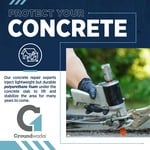
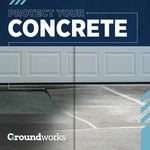
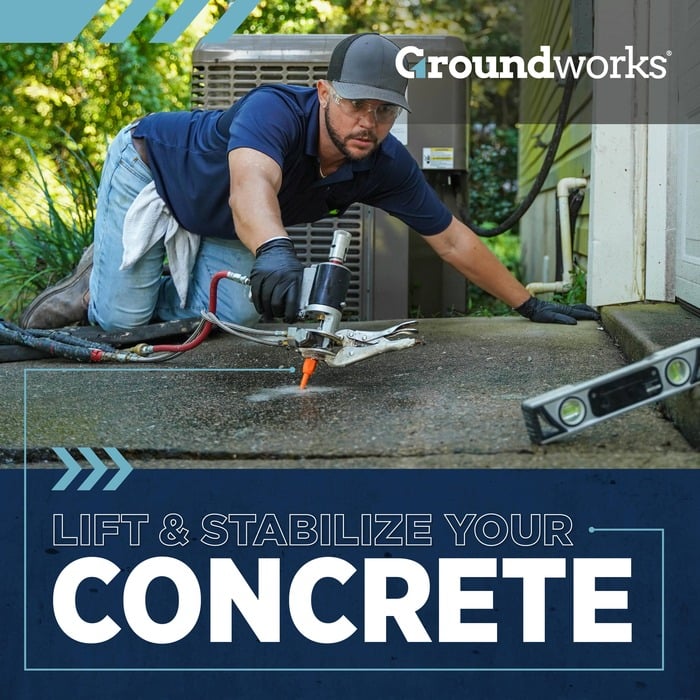
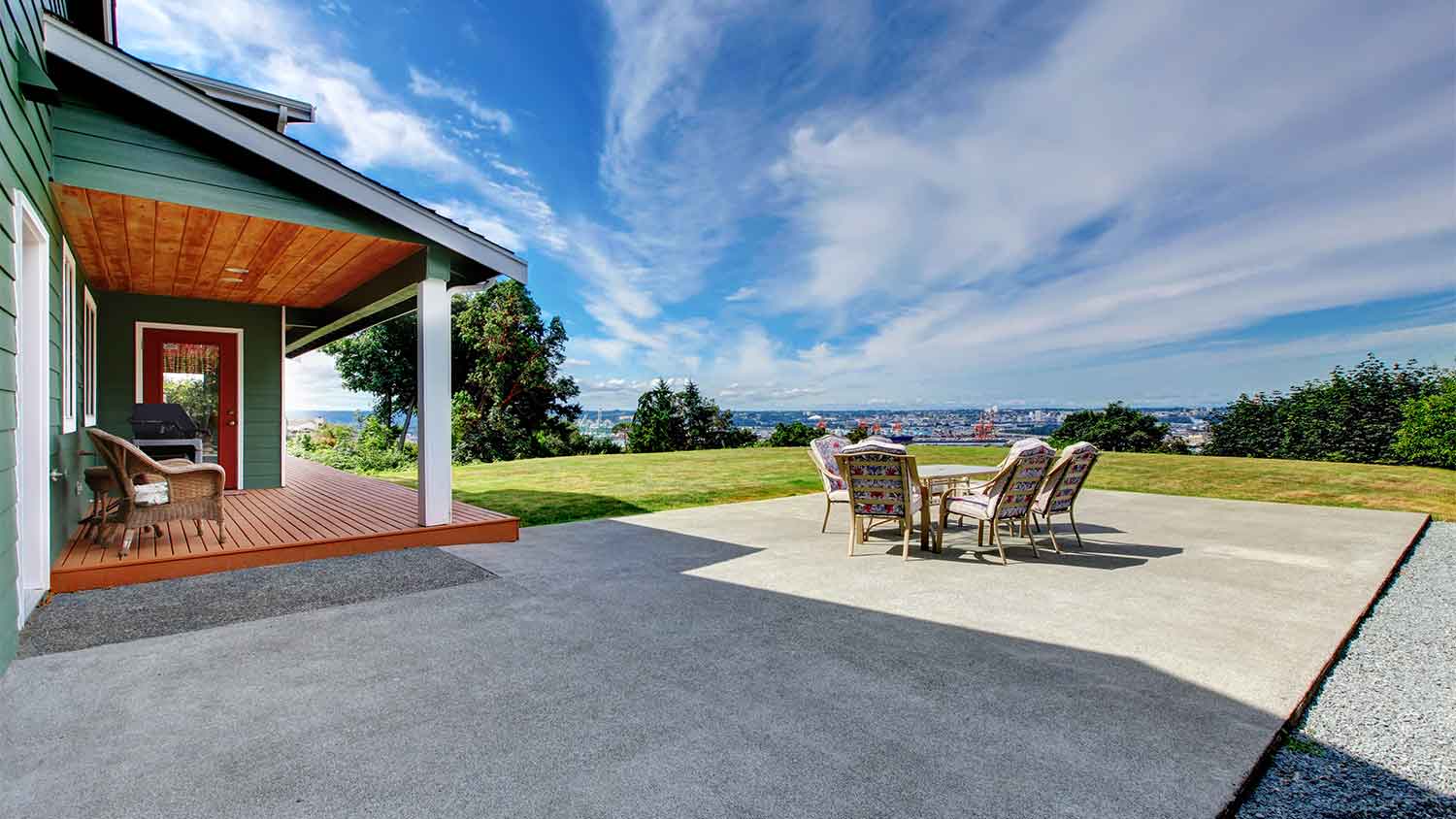
Pros often use mudjacking or polyurethane foam injection to level a sunken concrete patio. Both methods lift the slab by filling voids beneath it. After properly compacting the soil beneath it to prevent future settling, the concrete may need to be removed and re-poured for severe sinking.
Most states and municipalities don’t require concrete mudjacking companies to carry a specific license, but they usually need to have a general contractor’s license, and they should be fully insured. The only exception is if the mudjacking company provides foundation repairs as well, or if it offers mudjacking for home foundations. In that case, they will typically need a foundation repair contractor’s license. You can check state requirements and then use Angi’s license lookup tool to confirm that a company is properly licensed to provide mudjacking services in your area.
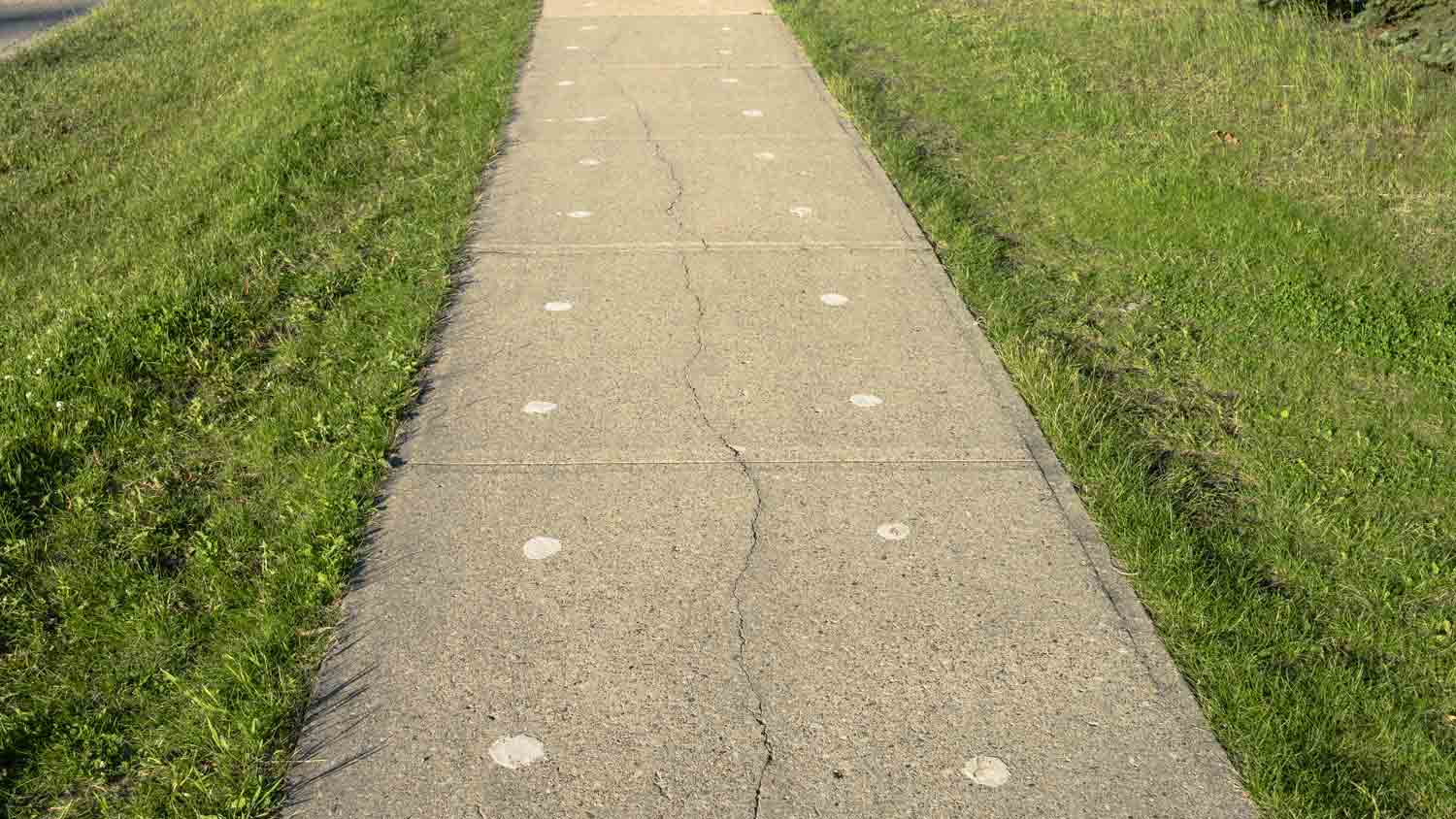
Mudjacking can be an expensive foundation repair process, but in many cases, it’s well worth the investment. This is especially true if you’re lifting a portion of sunken foundation slab back into place. In that case, mudjacking can help avoid major structural damage and even home collapse by restoring the integrity of your structure with minimally invasive procedures. Mudjacking a concrete patio, walkway, or sidewalk can be worthwhile because it removes tripping hazards and makes your outdoor area more aesthetically appealing.
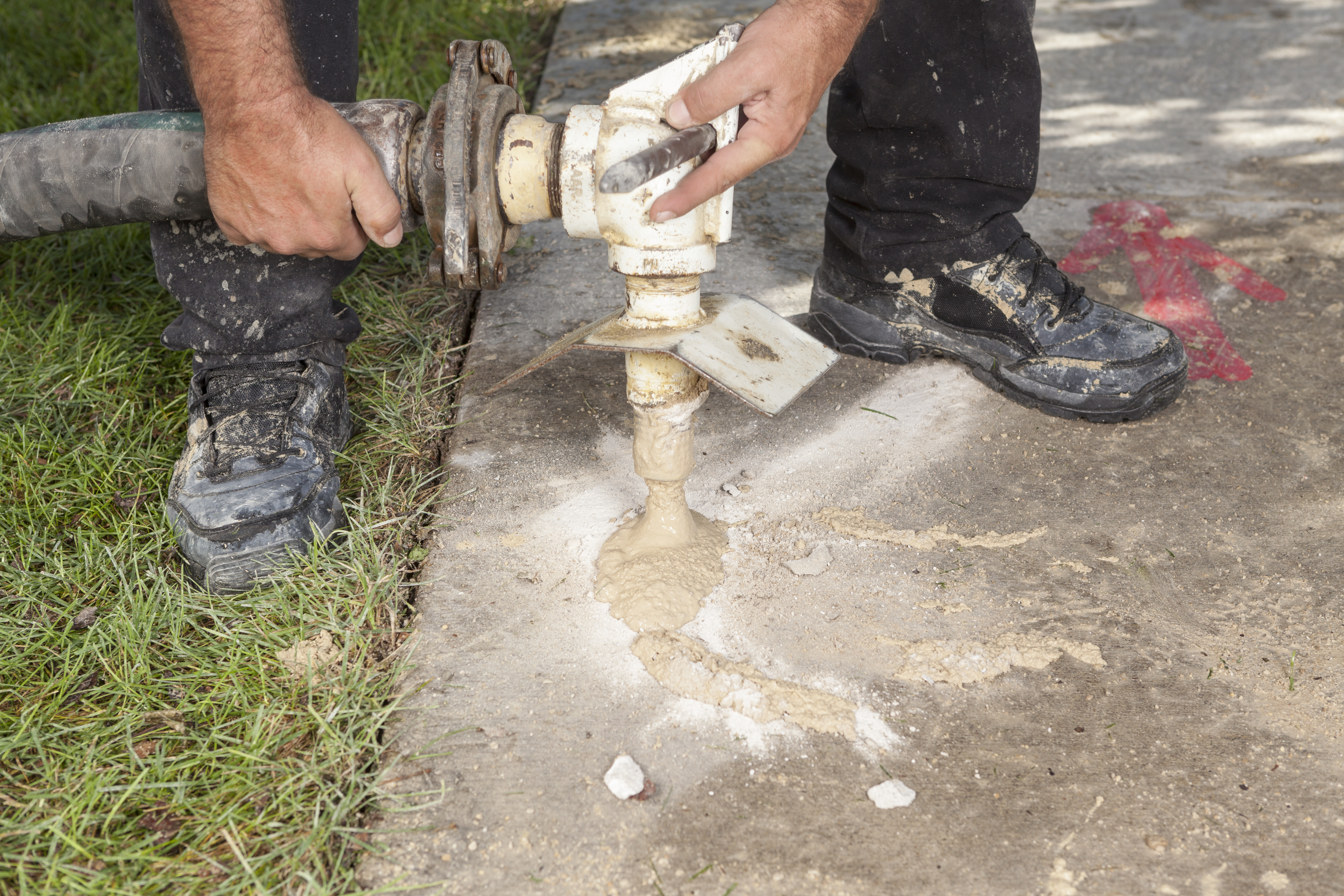
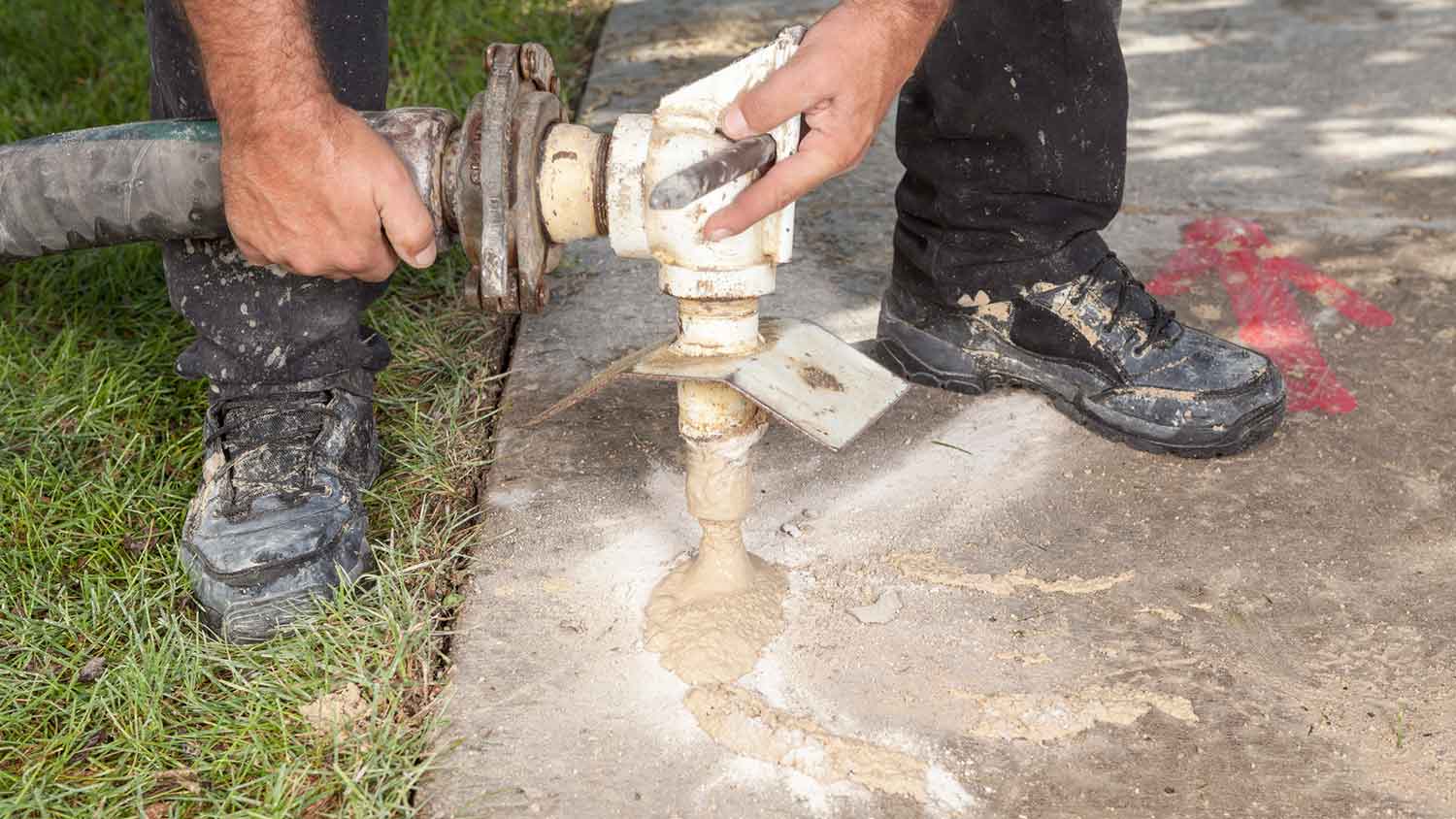
The method involves lifting settled concrete using pressurized cement slurry via drilled holes. This solves uneven surfaces and prevents further settling.
Polyjacking can be a permanent solution to sunken concrete if you also address the underlying issue—like poor drainage—at the same time. The polyurethane material itself can last as long as or even outlast the concrete you’re lifting it with. Your sunken concrete issue will likely return if you don’t couple polyjacking with proper drainage to prevent future soil movement and sinking.
The Tularosa, NM homeowners’ guide to concrete mudjacking services
From average costs to expert advice, get all the answers you need to get your job done.
DIY mudjacking is an advanced task, but learning how to raise a concrete slab is great to know for many scenarios. Let's take a look at how to DIY mudjack.
Sunken concrete can be a structural issue, but a professional can easily repair it. Ask these concrete injection leveling and mudjacking questions before you hire.