"Pluma was an excellent company to work with. Work was completed within 1 week of estimated time and included new windows and french door installation, replacement of 3 windows, retexture and paint ceilings, new flooring, new cabinets, new baseboards and painting throughout. Work was excellent and Julio was an amazing worker! He never did things that were less then satisfactory and often went the extra mile! My new kitchen, living area and laundry look incredible!! Overall fair value for work completed, will recommend to others and will likely hire for our future projects. Thank you!!!"
The best types of wood for outdoor kitchen cabinets are those naturally resistant to weather, water, heat, fading, and mold or mildew. Excellent choices include teak, mahogany, white oak, and Brazilian walnut. It's best to avoid softwoods like pine and cedar, as they are more susceptible to damage and can catch fire easily. For extra protection, ensure the wood is pressure-treated. Regardless of the wood you choose, you will need to apply sealants, oils, and stains regularly to protect your cabinets from the elements.
No. Placing a built-in grill against the house is discouraged due to safety concerns. Building codes and regulations often require a minimum distance (typically 10 feet or more) between a gas grill and any combustible structure, including a house. Placing a grill too close poses a fire hazard and risks damage to the siding or structure, potentially leading to carbon monoxide buildup. It's essential to consult local building codes, follow manufacturer guidelines, and prioritize safety by positioning the grill at a safe distance, ideally in a well-ventilated outdoor kitchen or designated grill area.
Older research tells us that adding an outdoor pizza oven is unlikely to increase ROI. But thanks to an uptick in interest in this feature, it’s becoming increasingly likely that installing one will boost your home’s value by a small amount.
The best height for a pizza oven is one that allows the user to easily see what’s going on inside and comfortably place pies without having to crouch over. In general, that means the opening should be between 36 and 48 inches off the ground. By contrast, the height of the dome is totally up to your preference, because different heights create different results. Shorter domes are better for creating Neapolitan-style pies, whereas taller domes are ideal for NY-style recipes.
A few materials are most commonly used when it comes to building a frame for an outdoor kitchen: wood, steel, and concrete or brick. While there’s no best option overall, each material is better suited to different needs. Concrete and brick are typically more customizable than other options, but aren’t as resistant to inclement weather as steel. Wood is the most affordable pick, but it is more susceptible to rot, mildew, and heat than the others.
The Tohatchi, NM homeowners’ guide to outdoor kitchen services
From average costs to expert advice, get all the answers you need to get your job done.
Discover the cost to build an outdoor kitchen, including average prices, cost factors, and tips to help you plan your project and maximize your investment.
Considering an outdoor kitchen? If you enjoy entertaining loved ones or prefer your meals alfresco, here's how to evaluate if an outdoor kitchen may add value to your home.
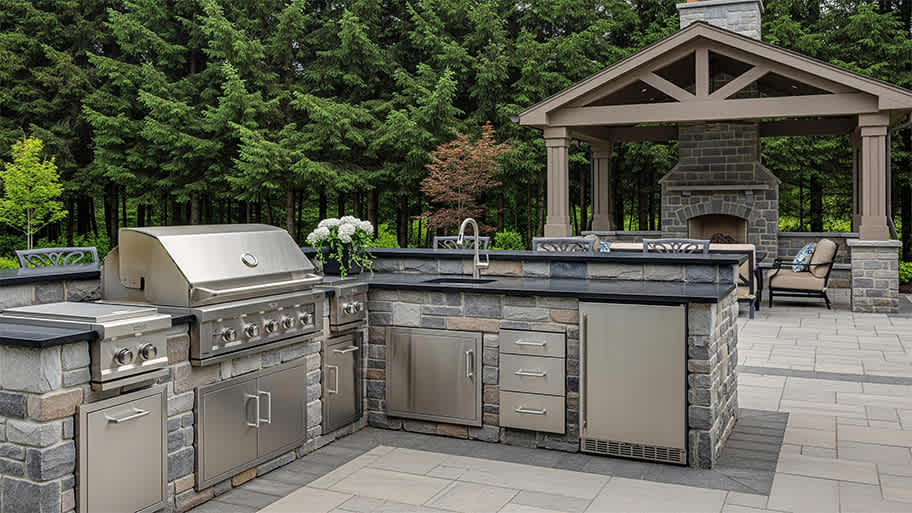
The best outdoor kitchen design ideas are ones that suit your needs. Check out these layouts and design concepts to help you assemble your perfect outdoor kitchen.
Dreaming of an outdoor kitchen? Get layout ideas for everything from a simple, low-budget DIY outdoor kitchen to a state-of-the-art, chef-worthy space.
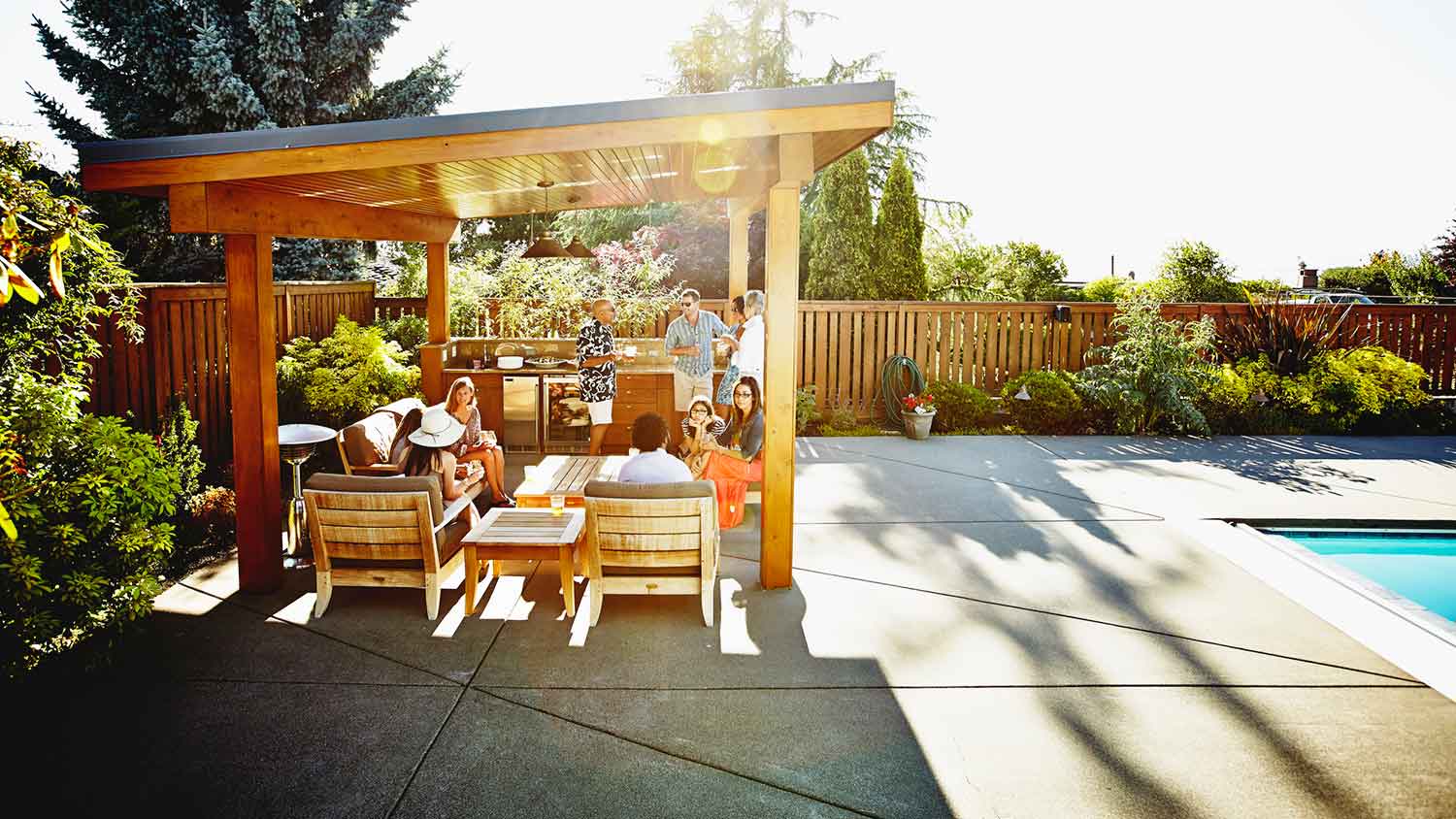
A covered space is ideal for grilling comfortably without worrying about rain or heat. Use our list of outdoor kitchen gazebo ideas to inspire your next project.