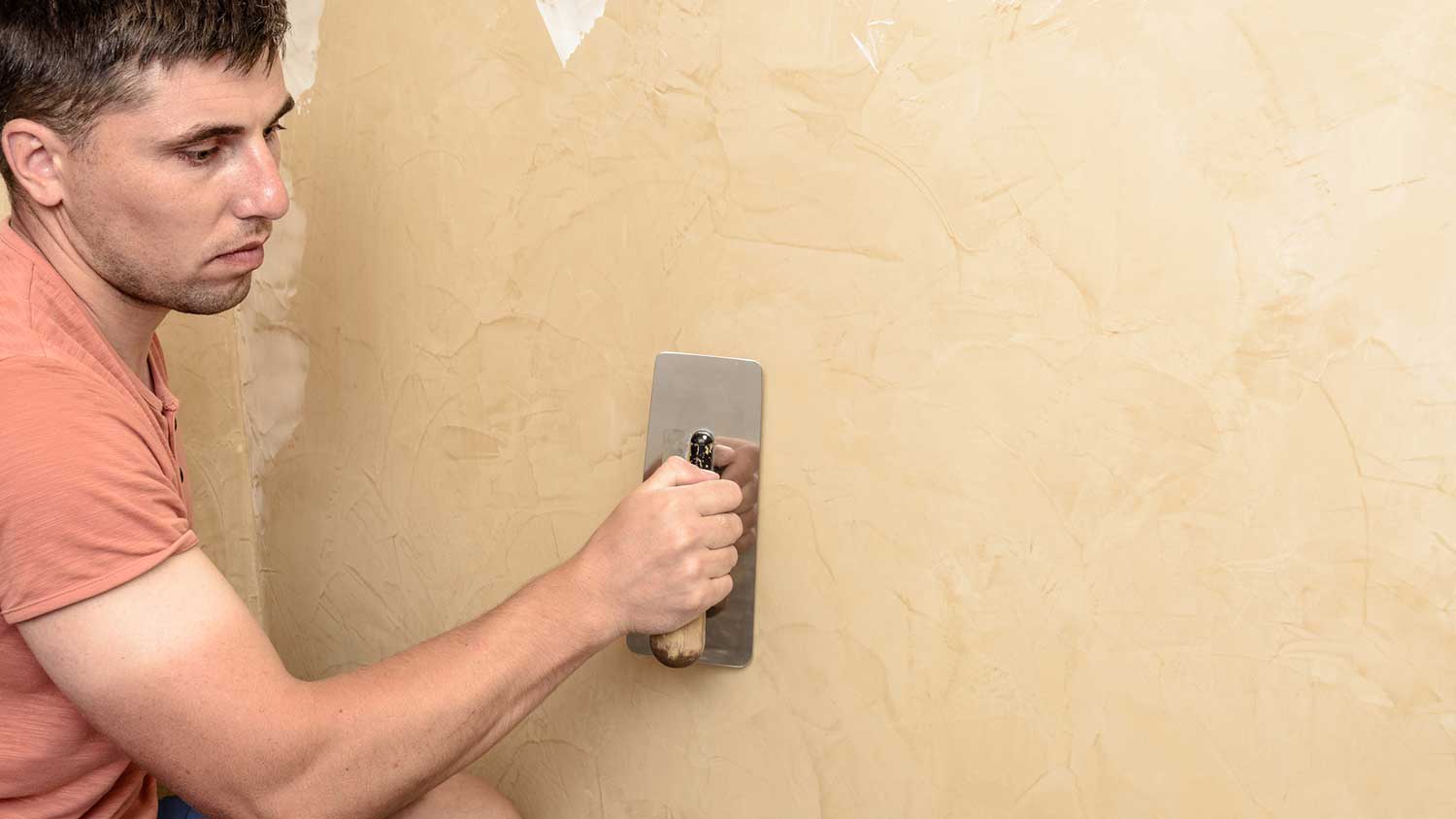







Drywall texture refers to the techniques used on the surface of drywall to create a pleasing visual or tactile effect. Depending on your desired outcome, drywall texture can range from incredibly subtle to a focal point of a room. Textures play a significant role in interior design and are an excellent and relatively cost-effective way to change the feeling of a room.
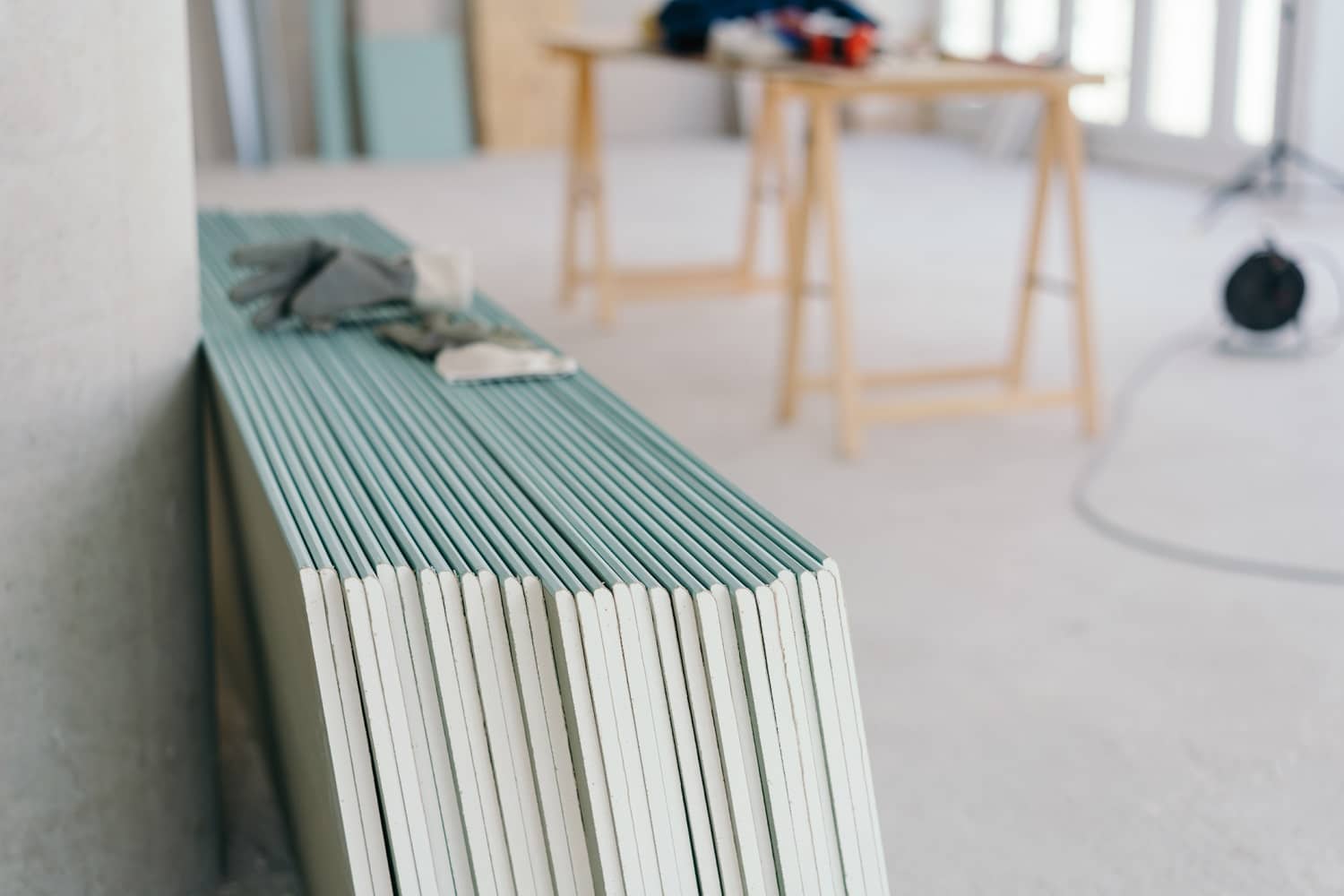
Fixing ceiling nail pops involves similar steps to wall repair, with the major difference being the orientation of the work. Ceiling nail pops can be more challenging because you may need to work overhead, which can be physically demanding and require additional safety precautions. Additionally, the ceiling may have different materials or finishes, such as textured surfaces, which can affect the repair process. Otherwise, the fundamental steps are the same.
Plastering and skimming are two different techniques for finishing walls. Plastering involves applying a thick layer of a plaster mixture—typically containing gypsum, lime, cement, sand, and water—to create a new surface. This process often requires multiple coats and is used for repairing significant damage or creating decorative textures. Skimming, on the other hand, is a technique that involves applying a thin layer of drywall compound or joint compound over an existing surface to smooth it out, covering minor imperfections, small cracks, or uneven textures for a polished look. Plastering is generally more costly and labor-intensive than skimming. Although some people use the terms interchangeably, they refer to different processes and materials.
Textured walls can increase the value of your homeif the style is modern and seen as a desirable feature and not something a prospective buyer would need to remedy. A good example of this is popcorn texture versus Venetian plaster. The plaster wall would add value to your home, whereas the popcorn texture may be something a new buyer would want to remove.
You should not leave drywall outside, especially overnight or in a wet, humid climate. Exposure to rain and humidity can damage the drywall, weakening its structural integrity and making it susceptible to mold growth. If you must leave drywall outside during a project, be sure to cover it with a tarp or keep it inside a storage shed to protect it. Even drywall intended for exterior projects requires a protective moisture barrier. For best results, store any extra drywall in a dry area away from the elements.
The Stanley, NM homeowners’ guide to drywall services
From average costs to expert advice, get all the answers you need to get your job done.
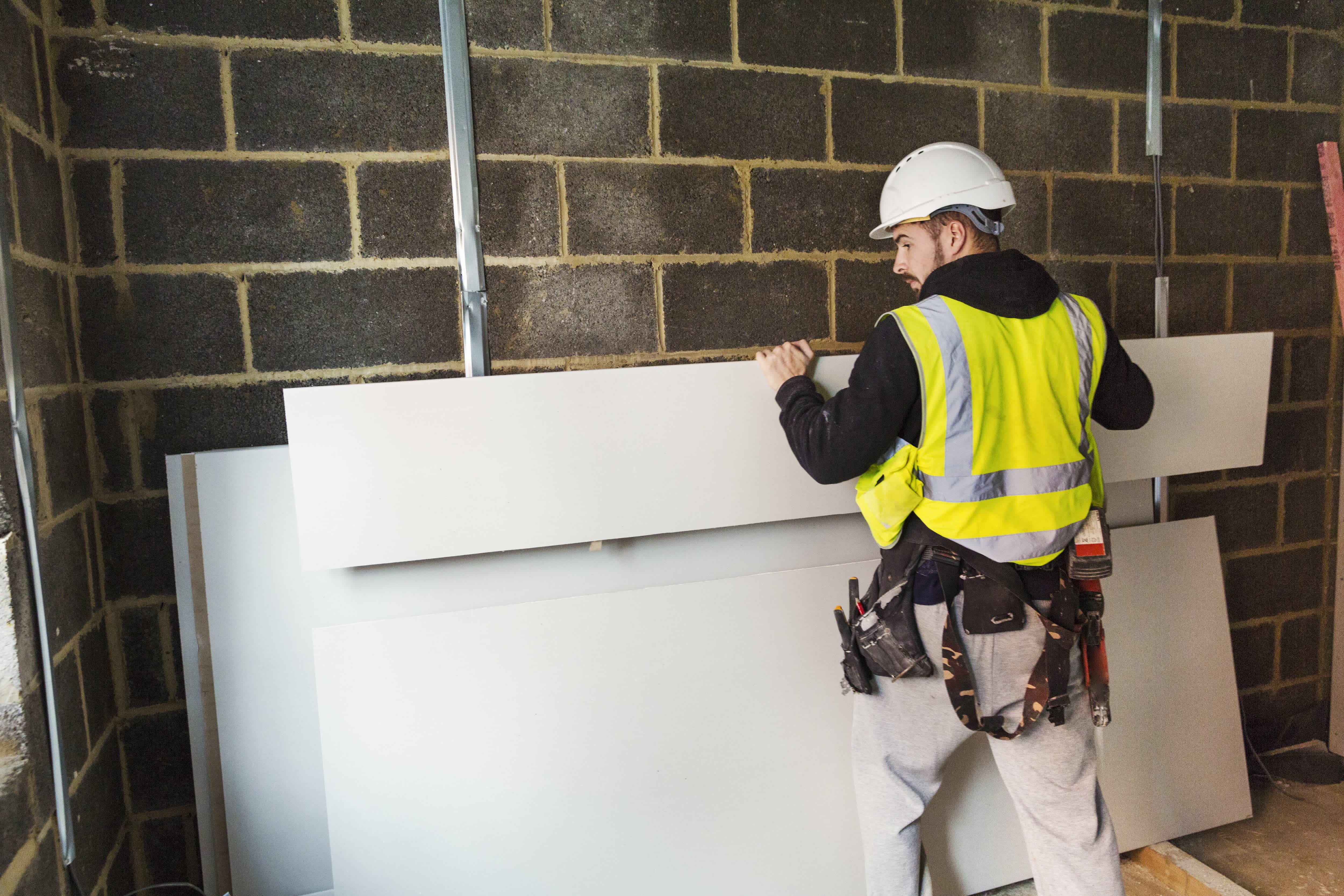
The cost to replace plaster with drywall can quickly add up. This guide will help you budget for this project and decide if it's worth the effort and cost.
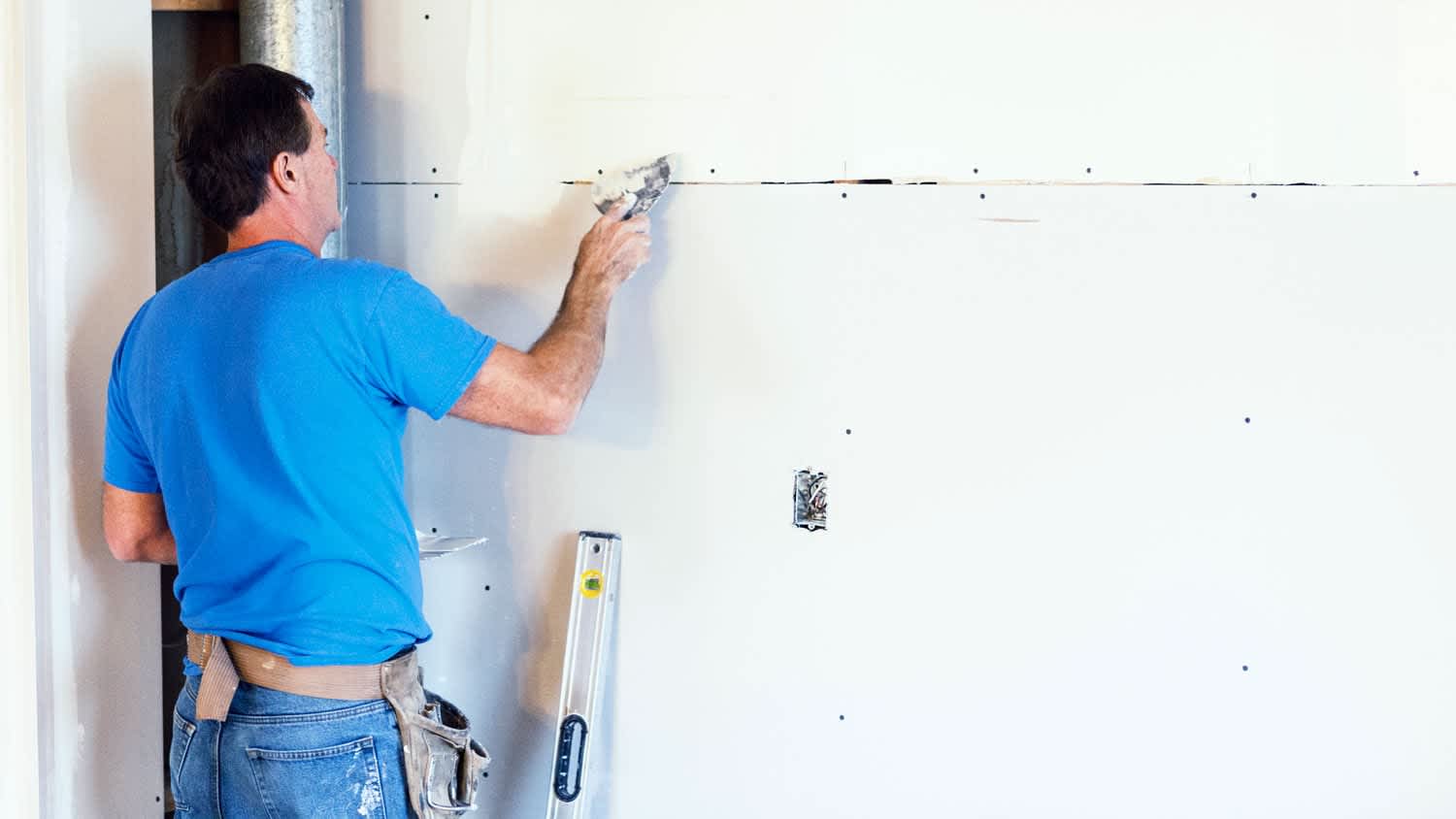
Installing drywall is the most common way to finish your home’s interior. Use this drywall installation cost guide to see what your project is likely to cost.
Whether you’re renovating a room or finishing a home addition, this guide on how to cut drywall will make your job easier and help keep your home neat.
Learn the top 8 signs of water damage in drywall so you can identify water damage early, prevent costly repairs, and protect your home from further issues.