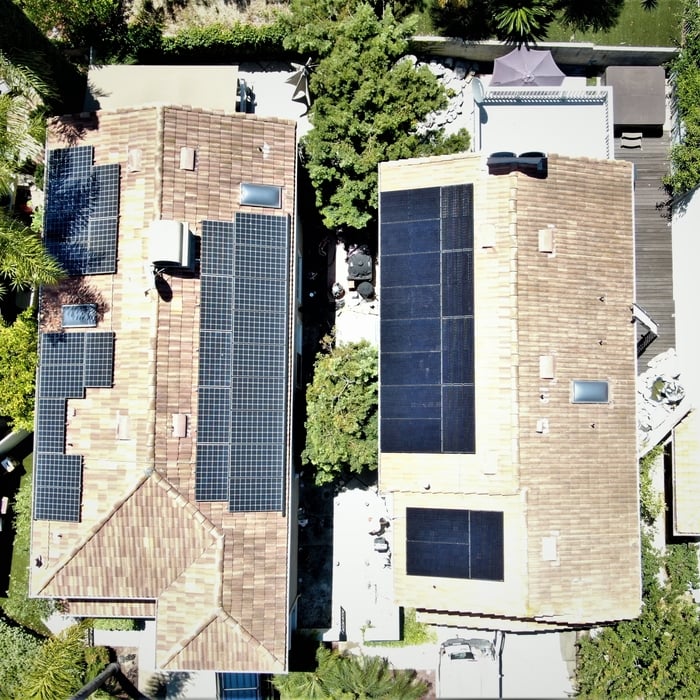
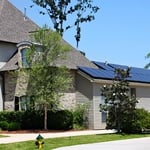
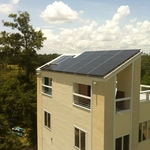
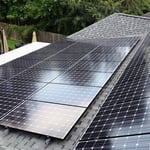
"Rep. checked entire system. He found several wires not connected properly and fixed this. He also made recommendations regarding the attachment of the panels to the rood that would provide more stability and leakproofing. The representative appeared to know what he was doing - much better than others, including the representative who was engaged by the roofer (who replaced our rood due to hail damage) to disconnect/connect the panels."
Energy Efficiency Auditing questions, answered by experts
Costs depend on the property size, audit complexity, and whether additional testing (e.g., blower door) is included.
Provide utility bills and clear access to all areas of the home, including the attic and basement.
You can increase your home’s load factor by replacing fuse boxes with a circuit breaker, hiring a licensed electrician to upgrade your electrical panel, upgrading wiring, or installing subpanels. An electrical inspection by an expert can help determine the state of your current electrical systems and how they can be improved.
Common warning signs of an overloaded electrical panel or meter box include frequent circuit breaker tripping, flickering or dimming lights, scorch or burn marks, and a burning scent coming from the panel. A circuit breaker trips as a protective measure to prevent overheating and potential fires. If you observe any of these signs, turn off the affected circuit breaker and move some devices to a different circuit. If the problem persists after turning the breaker back on, you should contact a professional electrician to resolve the issue.
Electric bills tend to be lower in spring and fall because people use less electricity during these seasons. Milder temperatures allow for less use of heating and cooling, unlike during winter and summer, which usually bring more extreme temperatures.
The Santa Rosa, NM homeowners’ guide to energy efficiency auditing services
From average costs to expert advice, get all the answers you need to get your job done.
Discover the average home energy audit cost, what impacts pricing, and how to save money on your audit. Get transparent, expert-backed cost info for homeowners.
Thinking about scheduling a home energy audit? Learn how to improve energy efficiency, lower your utility bills, and hire the right local pro for the job.