






Fencing is one of the most effective ways to keep deer out of your garden, but there are other ways to keep deer away. You could put together a homemade deer repellent mixture using household items that deer hate. Mix hot sauce, garlic powder, liquid dish soap, and water in a spray bottle and spray it onto your plants. It won’t harm your garden or any animals but it will deter deer from chowing down. You can also plant your garden strategically by creating a perimeter of plants that deer don’t like to eat, herbs like oregano, mint, sage, and thyme.
Gophers do not hibernate, meaning you could, at least theoretically, have a gopher problem in your yard any time of year. During the colder parts of the year when soil isn't as easy to work with, gophers may not dig as many holes or be as active and instead will burrow deeper into the earth to go below the frost line to stay warm.
You can expect to see more gopher activity during the spring and fall when warmer temperatures make digging easy, and there is an abundance of new (or recently harvested) plant life available for them to graze on. They come out during the day and sleep at night.
Voles are pretty prolific breeders, managing to squeeze in 5 to 10 litters a year, and each litter usually has around 3 to 5 little ones. These furry creatures are flexible with their love lives, as they can breed all year round, though spring and summer are their prime times. If they're living it up in warmer areas, voles don't take a break and keep reproducing non-stop.
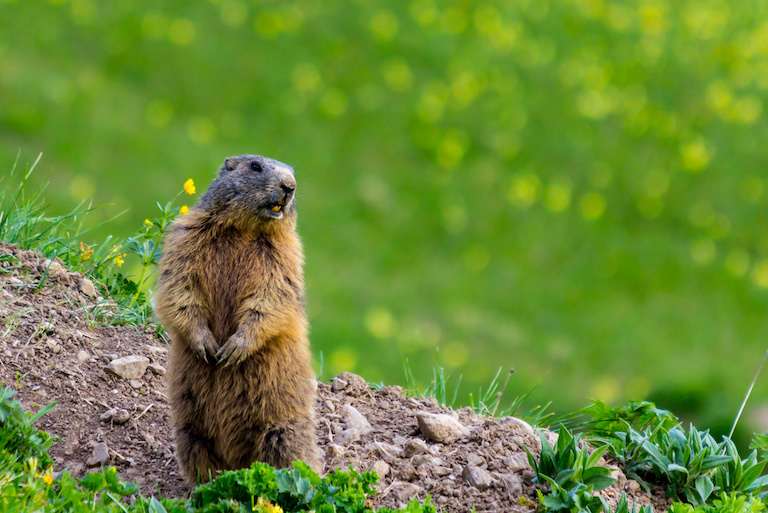
When relocating, release a groundhog at least 5 miles from the capture site. This distance helps ensure that the groundhog does not return to your property. Make sure to relocate it to a suitable habitat, such as a wooded area or a place with plenty of ground cover, to increase its chances of survival without disrupting existing wildlife. Additionally, always check local regulations, as relocating wildlife may be restricted or require a permit in some areas.
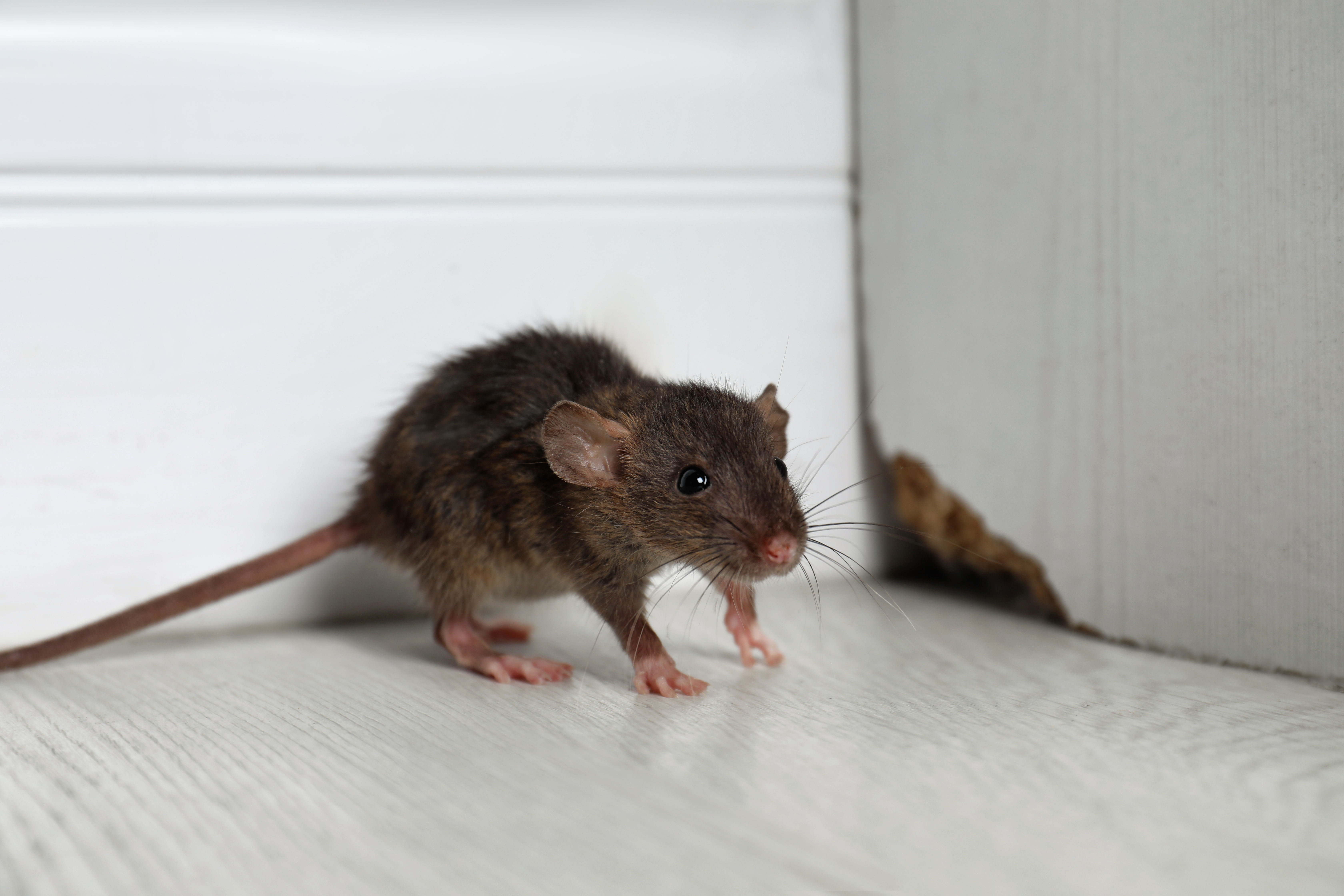
Small animals, particularly rats and mice, like to burrow inside pool heaters. To keep them out, seal any entry points with caulk or steel wool. Then, place mothballs inside or around your pool heater. As a final measure of protection, you can cover the pool heater in hardware cloth or wood paneling to further block entry points.
The Ribera, NM homeowners’ guide to animal removal services
From average costs to expert advice, get all the answers you need to get your job done.
When budgeting for possum removal costs, consider number of animals, location, method of removal, and whether you do it yourself or hire a professional.
The cost to remove a groundhog can vary depending on where you live and whether you do it yourself or hire a professional. We’ll help you figure out the true cost of groundhog removal, along with strategies for humane trapping and release.
Dealing with unwanted wildlife? Learn how to hire a wildlife removal pro, compare experience and costs, verify credentials, and ensure safe, humane removal.