


Top-rated lead testing and removal specialists.

Get matched with top lead testing and removal specialists in Pena Blanca, NM

Enter your zip and get matched with up to 5 pros

Need a pro for your lead testing and removal project in Pena Blanca, NM?

Select your specific project to find the pro for you.

Find Lead testing and removal specialists in Pena Blanca

RapidResto NM LLC
5.0(
2
)
Toxic Lead - Testing

Serving Pena Blanca, NM and surrounding areas

Free estimates

Emergency services offered

Warranties offered

Looking for reliable Fire, Smoke, or Water restoration services in the Albuquerque area? Look no further than RapidResto NM LLC. Our team of experts is here to assist you with all your restoration needs. With our exceptional service and attention to detail, we are dedicated to providing the best solutions for all your needs. Contact us today!\n

Recommended by50%of homeowners
Lead Testing and Removal questions, answered by experts

You can paint over lead paint, or “encapsulate” it with a special paint that includes an ingredient called an encapsulant. The EPA approves encapsulation as a lead paint removal method as long as the paint remains undisturbed. Standard types of paint without an “encapsulant” from the big box stores or hardware stores do not meet EPA standards for remediation of lead-based paint.

Testing typically costs between $200 and $600, depending on the number of samples and laboratory analysis.

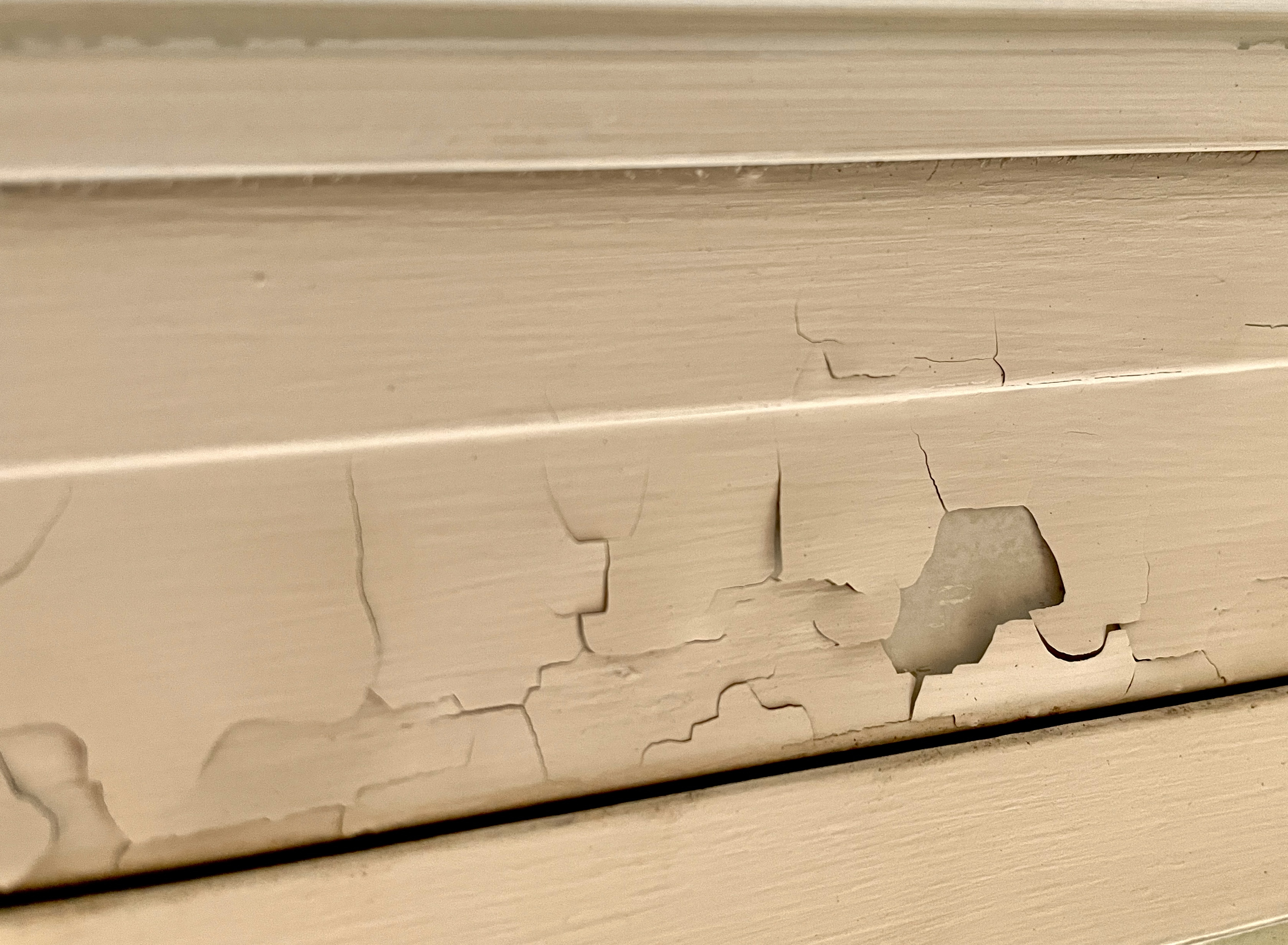
If the lead paint is in a place that is not easily disturbed and is not flaking or deteriorating, you do not necessarily need to remove it. Lead is toxic when dust particles or flakes from peeling lead paint are ingested. If people are not in the area with the lead paint, it may be safe to leave it in place. You still may want to consider encapsulation with a paint formulated for covering lead-based paint, just for an added layer of protection.

According to the Environmental Protection Agency (EPA), hazardous waste is generally classified into four main categories:

1. Characteristic Wastes: These exhibit at least one of four hazardous traits: ignitability (flammable, like gasoline), corrosivity (can rust or decompose materials, like car batteries), reactivity (unstable and can explode, like aerosol cans), or toxicity (harmful when ingested, like lead-based paint).

2. Listed Wastes: These are specific wastes from manufacturing and industrial processes that the EPA has officially designated as hazardous. They include byproducts from processes that use solvents, pesticides, and other chemicals.

3. Universal Wastes: These are commonly generated hazardous items that are subject to streamlined regulations. Examples include batteries, pesticides, mercury-containing equipment (e.g., bulbs), and some lamps.

4. Mixed Wastes: This category includes waste that contains both hazardous and radioactive components, making it subject to regulation by both the EPA and the Nuclear Regulatory Commission.

Exterior paint contains a higher level of VOCs, which can be dangerous if you’re exposed to it for a long period of time. The good news is that paint’s toxicity reduces significantly once fully dried and cured. Do not keep open exterior paint cans in your home, basement, or garage, exposing your household to harmful chemicals over time.

The Pena Blanca, NM homeowners’ guide to lead testing and removal services

From average costs to expert advice, get all the answers you need to get your job done.