"I only use James when I need some work done to my house. He responds fast, gets the work done quicker than just about anyone else I've ever used and seems very concerned with leaving his customers happy."
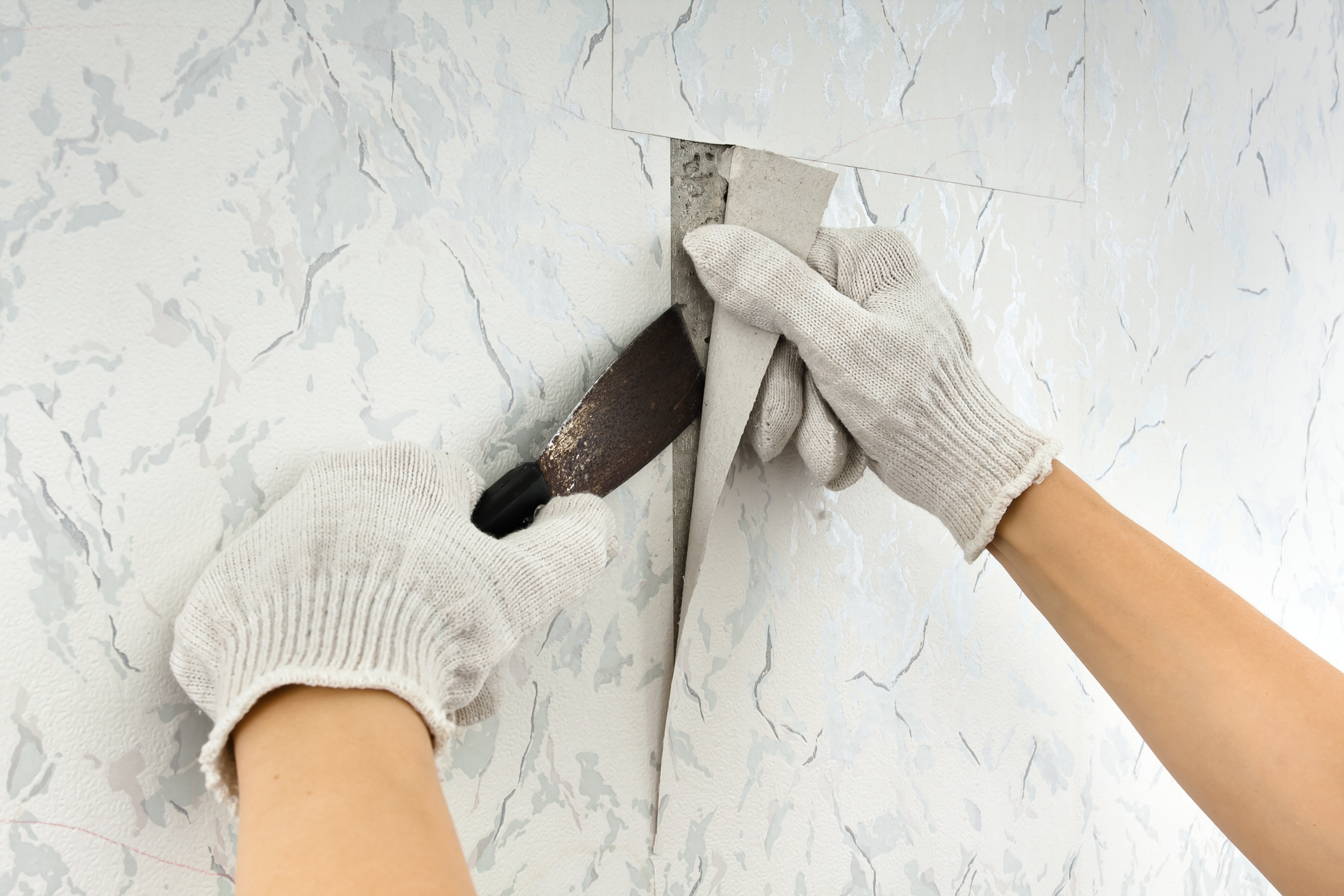
To remove pre-pasted wallpaper, you’ll need to wet the wallpaper or steam it to loosen the paste on the back of the wallpaper. Spray the paper with water, then let it soak for 10 to 20 minutes. From there, you should be able to peel off the wallpaper. Then, you may need to follow up with a cleaning solution and a scraper to remove any remaining wallpaper paste on the walls.
Stubborn adhesives, multiple layers, and drywall damage can complicate removal.
Yes, many companies offer convenient options to accommodate service timing needs.
Wallpaper steamers can be very helpful for removing large sections of wallpaper more easily, but they’re not always a good idea for DIYers. The drywall behind your wallpaper is meant to stay dry, and excessive moisture from improper technique with a wallpaper steamer can leave you with severe wall damage. Drywall also retains moisture, which could result in mold growth over time. It’s best to hire a professional to remove your wallpaper with a steamer to avoid wall damage and related moisture issues.
Yes, you can pay someone to strip wallpaper. Before you hang new wallpaper, you should hire a local wallpaper removal service to prep the surface properly. Wallpaper removal pros cost $0.55 to $1.50 per square foot or $500 to $700 per room. Prices vary by room size and removal technique, as some options are more labor-intensive.
The Navajo, NM homeowners’ guide to wallpaper removal services
From average costs to expert advice, get all the answers you need to get your job done.
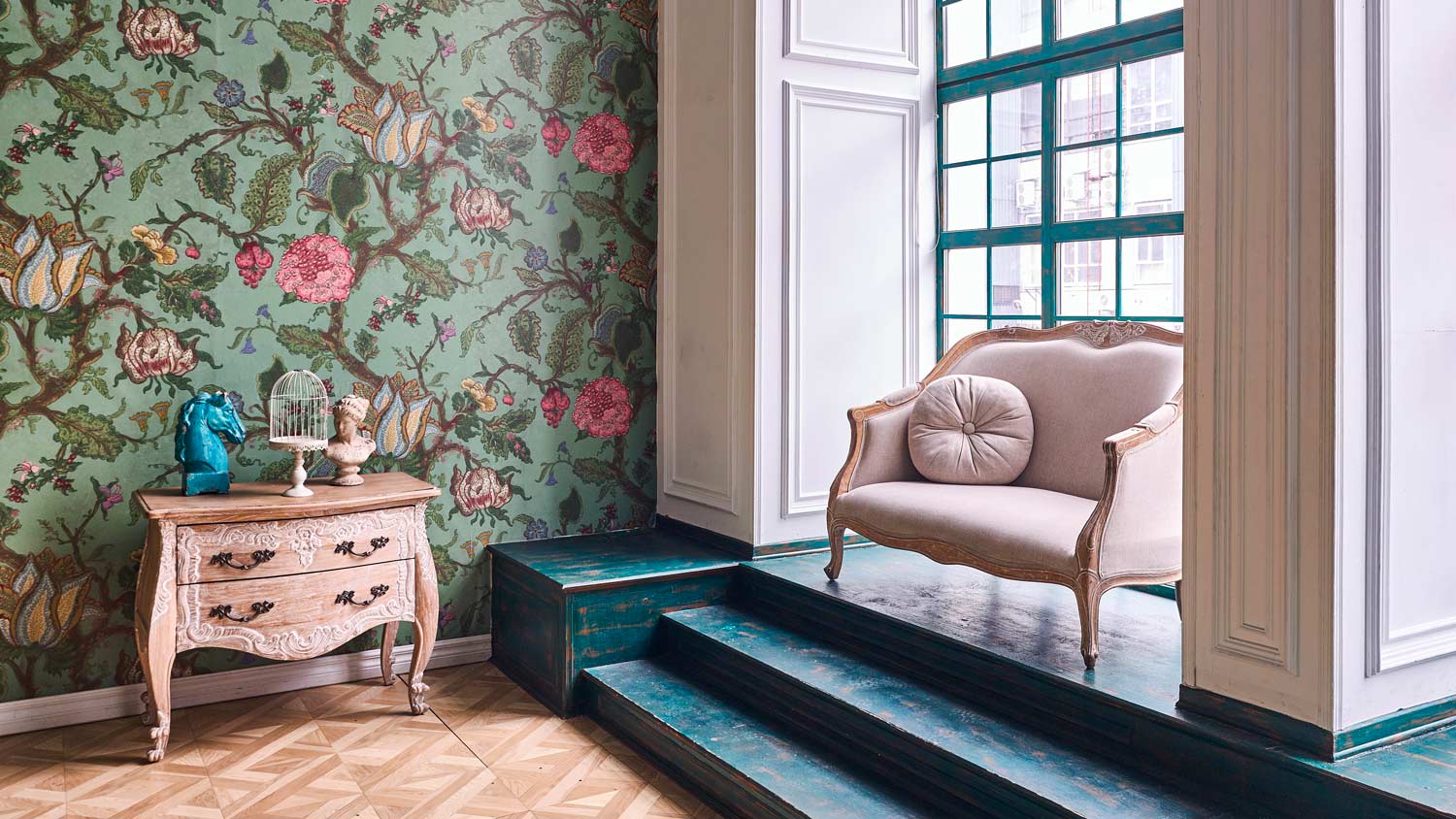
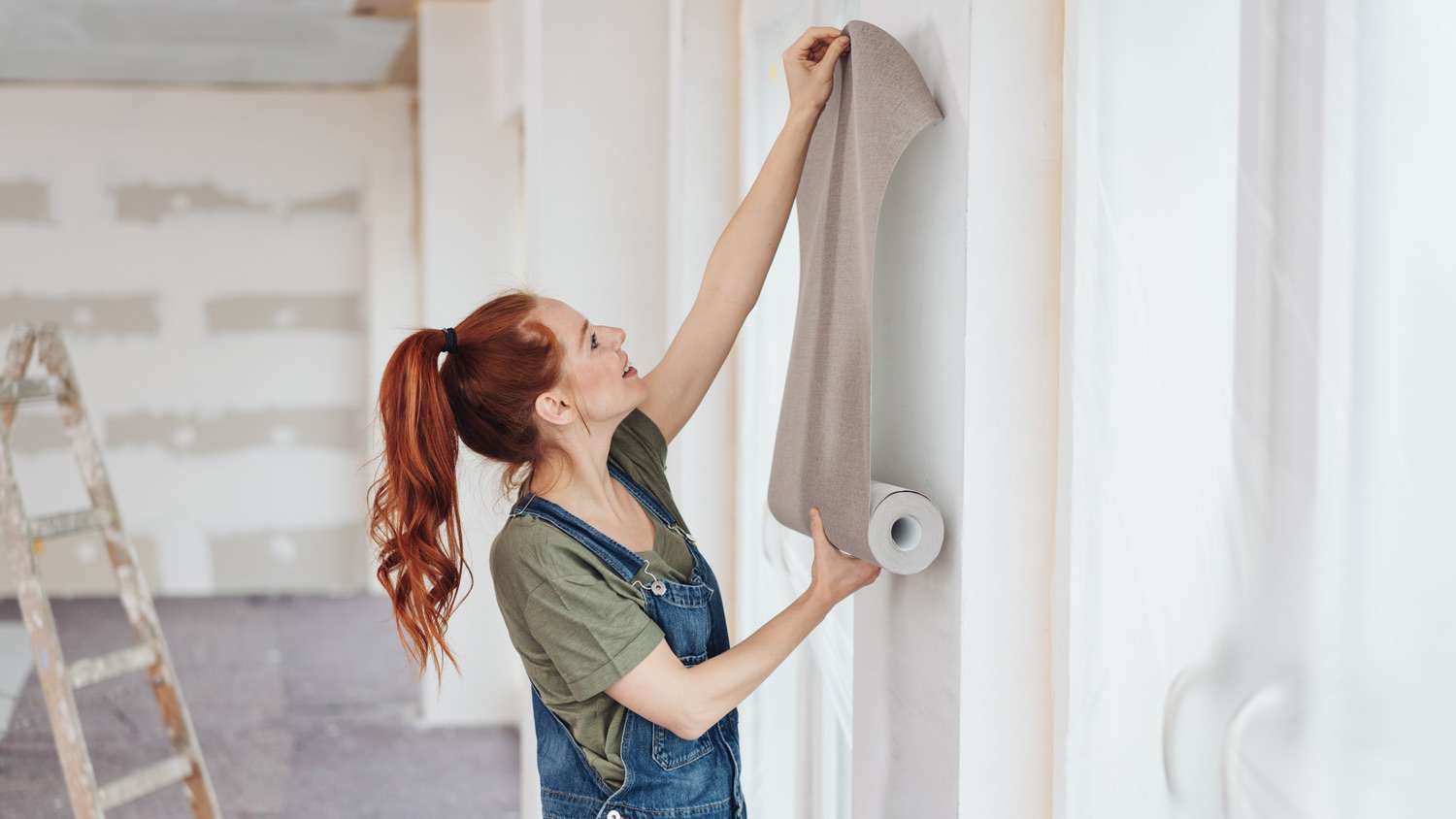
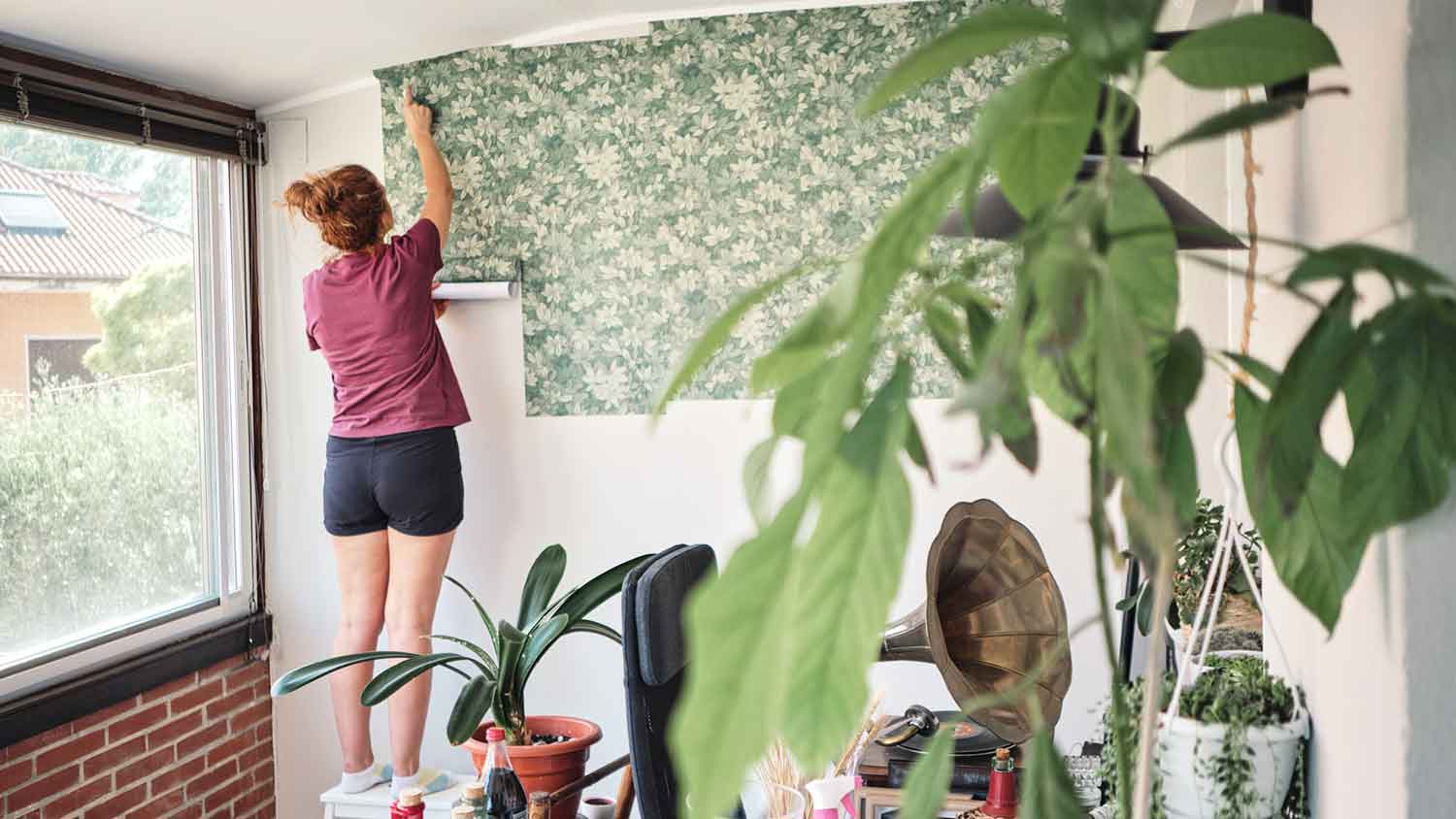
Discover wallpaper installation cost. Learn about material, labor, and project factors to estimate your budget and make informed choices for your home.
Planning a room update? Learn about the wallpaper removal process, costs to expect, and how to find and hire the right local pro for a paint-ready finish.
Taking down wallpaper is a tedious and time-consuming job. Here are some tips on how to hire someone to remove wallpaper for you to make your life easier.