



Top-rated well and pump technicians.

Best well and pump technicians near Magdalena, NM

Enter your zip and get matched with up to 5 pros

Need a pro for your well and pump service project in Magdalena, NM?

Select your specific project to find the pro for you.

Top-Rated Well and pump technicians in Magdalena - Updated Nov 2026

Avatar for American Home Shield – Home Warranty
American Home Shield – Home Warranty
3.5(
5,689
)
Well Pump - Install or ReplaceWell Pump - Repair or Service

Serving Magdalena, NM and surrounding areas

In business since 1971

Credit card accepted

"Well, the first time the replacement was ordered it was the wrong one, which of course, delayed the installation a week. When it was finally installed I had to pay an additional $850 for code upgrades. This I was not informed of by Home Shield. Then we noticed that there was water on the garage floor and found that the pipe coming in from the wall was leaking at the wall so had to call the plumbing company back out to fix it. They first tried to say it was not their fault but since there wasn't a leak before they installed they did fix it. I have used Home Shield a few times before and never had a problem. Some of the companies they use are not the best so you have to research them before you commit. I have found HS service to be good if you do your homework. At the end of the day I was without hot water for almost 3 weeks but it was do to the plumbing company they sent out."
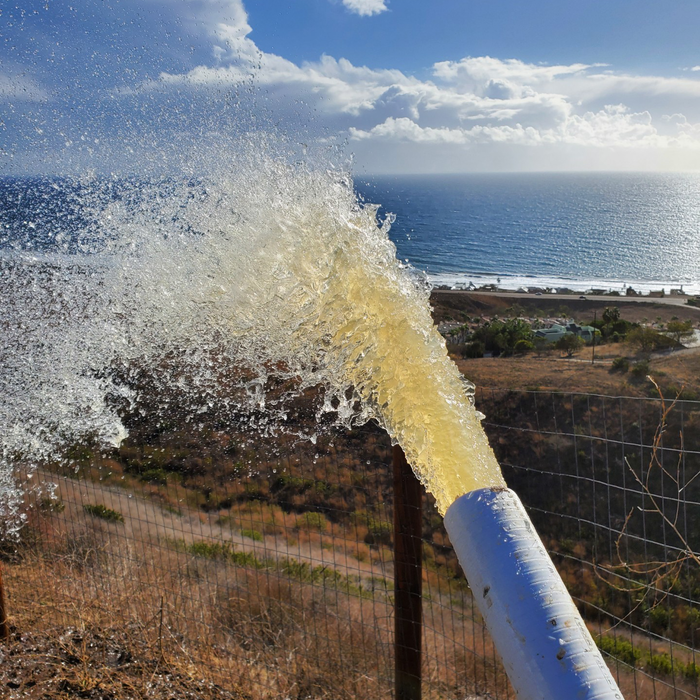
Additional Photos
Additional Photos
Additional Photos
Additional Photos
Additional Photos

+2

Recommended by65%of homeowners
Wells and Pumps FAQs, answered by experts

The cost to replace a well-pump motor will depend on the size, but this repair is often as costly as installing a new pump. Generally, a well-pump replacement will cost between $950 and $2,650, with an average of $1,800. Other factors like pump type and pipework will impact your final cost.

Yes, you can oversize a well pressure tank without harming your well system, as there are no major risks involved. The primary advantage of a larger tank is an increased lifespan due to less frequent pump cycling. Fewer startups and longer, slower runtimes mean less wear and tear on the system and can help conserve energy. The main drawbacks are the higher upfront cost and the larger amount of space required for an oversized tank. While not necessarily a bad thing, it is often more efficient to select an appropriately sized tank to save money and space.

Most well pump pressure switches have a factory setting of 30 to 50 PSI. There’s some flexibility with this if you’d like a lower or higher water pressure, but remember that it should sit 2 to 3 PSI above your well tank’s general pressure setting.

The inside of your pressure switch cover will usually indicate minimum and maximum settings—going below and above the numbers might damage your well pump.

Yes, it is possible to drill a well by hand, but it calls for a good deal of physical labor. Drilling a well by hand is best suited for softer soil, and it may not be possible through rockier terrain. For wider and deeper holes, companies with professional equipment make the job much easier.

A leaking well pipe is quite different from if the well itself is leaking. To seal a leaking well, pour a cement mixture or bentonite into the space between the well casing and the borehole wall. The heavier cement collects at the bottom to form a solid seal, pushing lighter materials like mud and fluids up toward the surface. Professional well installation companies have the equipment to do this properly. 

The Magdalena, NM homeowners’ guide to well and pump services

From average costs to expert advice, get all the answers you need to get your job done.