



Top-rated retaining wall installation pros.

Get matched with top retaining wall installation pros in Kirtland, NM

Enter your zip and get matched with up to 5 pros

Need a pro for your retaining wall installation project in Kirtland, NM?

Select your specific project to find the pro for you.

Find Retaining wall installation pros in Kirtland

D & R Services
4.6(
47
)
Retaining Wall - Install

Serving Kirtland, NM and surrounding areas

In business since 2010

Free estimates

Emergency services offered

"Contractor keep appointment (even though there were 2 or 3 calls expressing confusion about time and day); installed the drywall and cleaned the area.   The drywall installation was not smooth and when textured looked amateurish at best.  Before I could paint I had to sand several areas and apply canned texture-not the most professional look but time was a factor.  the next time the wall is painted will require extensive prep work to make it look professional.
Good things: appointment keep; work was done as explained; no extra charges.
Not so good: Technician was not a drywall guy.
"
Additional Photos
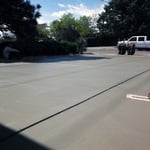
stamped concrete and curb
tile

+107

Recommended by82%of homeowners
HBB, LLC
New to Angi
Retaining Wall - Install

Serving Kirtland, NM and surrounding areas

In business since 2018

Free estimates

HBB LLC is your premier contracting professional, servicing residents across San Juan county and surrounding areas. At HBB LLC, we always make sure to execute our promise to deliver professionalism, punctuality and excellent work to all of our clients. Our services include but are not limited to: Concrete Driveways and Patios, Retaining Walls, Interior Remodeling and Renovation, and Structural Steel Beam Installations. No job is too big nor small for us to handle! For your dream project, give HBB LLC a call today for your free estimate!

Retaining Wall Installers questions, answered by experts

Poured concrete is often the cheapest material for a retaining wall, costing around $6 to $8 per square foot. Other budget-friendly options include vinyl and landscaping timbers, which range from $10 to $15 per square foot; landscaping timbers are particularly well-suited for DIY projects. Untreated timber and railroad ties are a step up in price, starting at $15 to $25 per square foot. Natural stones can also be a cost-effective choice if you can source them from your own property, but they can be expensive to purchase. High-end materials like steel are typically the most expensive but offer superior durability and aesthetics.

The lifespan of a retaining wall varies based on its material, installation quality, maintenance, and local climate, with an average range of 20 to 100 years. Retaining walls made from durable materials like concrete, stone, and brick generally last a minimum of 50 years. Concrete walls typically last between 50 and 100 years, while brick can last for over a century in ideal conditions. Timber retaining walls can last from 20 to 40 years, depending on the wood quality, and pressure-treated wood walls average around 30 years. It is important to note that a retaining wall can fail prematurely if it was poorly constructed, for example, with inefficient footings or without necessary rebar reinforcements.

Most railroad tie retaining walls have a life span of 20 to 30 years, though you may need to replace your wall sooner if it’s repeatedly exposed to heavy rain, runoff, and excess moisture. Railroad ties are typically treated with creosote, which makes them much more durable than untreated wood. Though they last longer, they don’t last forever. For the most longevity, make sure your retaining wall has a sturdy base and steel reinforcements. You should also install drainage to direct water away from the wall.

Rebar is a steel support that goes inside concrete to prevent structural damage over time. Concrete is susceptible to impact, weight, and tension. By inserting rebar into the concrete during the installation, you can help extend its lifespan and avoid hazardous situations where the foundation of your home gives way to tensile forces.

Small retaining walls still require a foundation of some kind, typically a concrete footing. This helps to ensure the wall is structurally sound and prevents the ground from shifting over time, especially during those winter freeze/thaw cycles. The footing helps spread the weight of the wall and the load it carries over a larger area of the ground, thus assisting with stability. This is true of small retaining walls, larger rock garden walls, and the like. 

The Kirtland, NM homeowners’ guide to retaining wall installation services

From average costs to expert advice, get all the answers you need to get your job done.