In framing, studs are placed at 16-inch intervals to coincide with the typical spacing of wall materials such as drywall or plywood. This spacing is called "on-center" and is necessary for maintaining structural stability and efficient use of materials. The 16-inch spacing also helps to distribute the weight evenly across the building's structure. For those looking to cut material costs and improve energy efficiency, 24-inch stud spacing can be employed through a method called "advanced framing". This requires careful planning and adherence to local building codes to ensure structural integrity.
It is possible to apply plaster on the interior or exterior of your home, but we don’t recommend it. Plaster is easy to apply in theory, but in reality, it can be a challenging material to work with, and it’s difficult to get the finished product to look clean, even, and smooth. Many DIYers end up calling in a professional afterward to touch up the area or even redo it entirely because of mistakes they made in the process. Hiring a plaster pro will cost more, but it’s usually the best option to achieve high-quality results.
It is more difficult to drywall a ceiling than it is to drywall a wall, but not so hard that DIYers can’t tackle it. One of the main issues with hanging drywall on your ceiling is getting it into place. Drywall isn’t light so, if you are hanging full drywall panels, you will need at least two (it’s better with more) people to hold the panel while you drill it into the ceiling as a single piece can weigh between 40 and 60 pounds and will need to be held in place for up to 10 minutes.
A post-drywall inspection could uncover many problems that weren’t present during the pre-drywall inspection, including insufficient insulation, missing weather stripping, improperly installed plumbing and lighting fixtures, flooring damage, drywall damage, plumbing leaks, aesthetic issues, and more. Structural problems, which are often expensive to fix and are common reasons to walk away after a home inspection, are easier to see before the drywall goes up, but a post-drywall inspection may highlight minor issues with house settling and foundation problems.
Yes, applying a texture can hide minor imperfections and irregularities in drywall, but it will not cover significant damage like nail marks or screw holes. The best texture depends on the size of the flaws. For minor imperfections, popular choices like orange peel, sand, or popcorn texture are effective. For larger imperfections, you may need a more prominent style, such as a knockdown or trowel finish, to conceal them effectively.
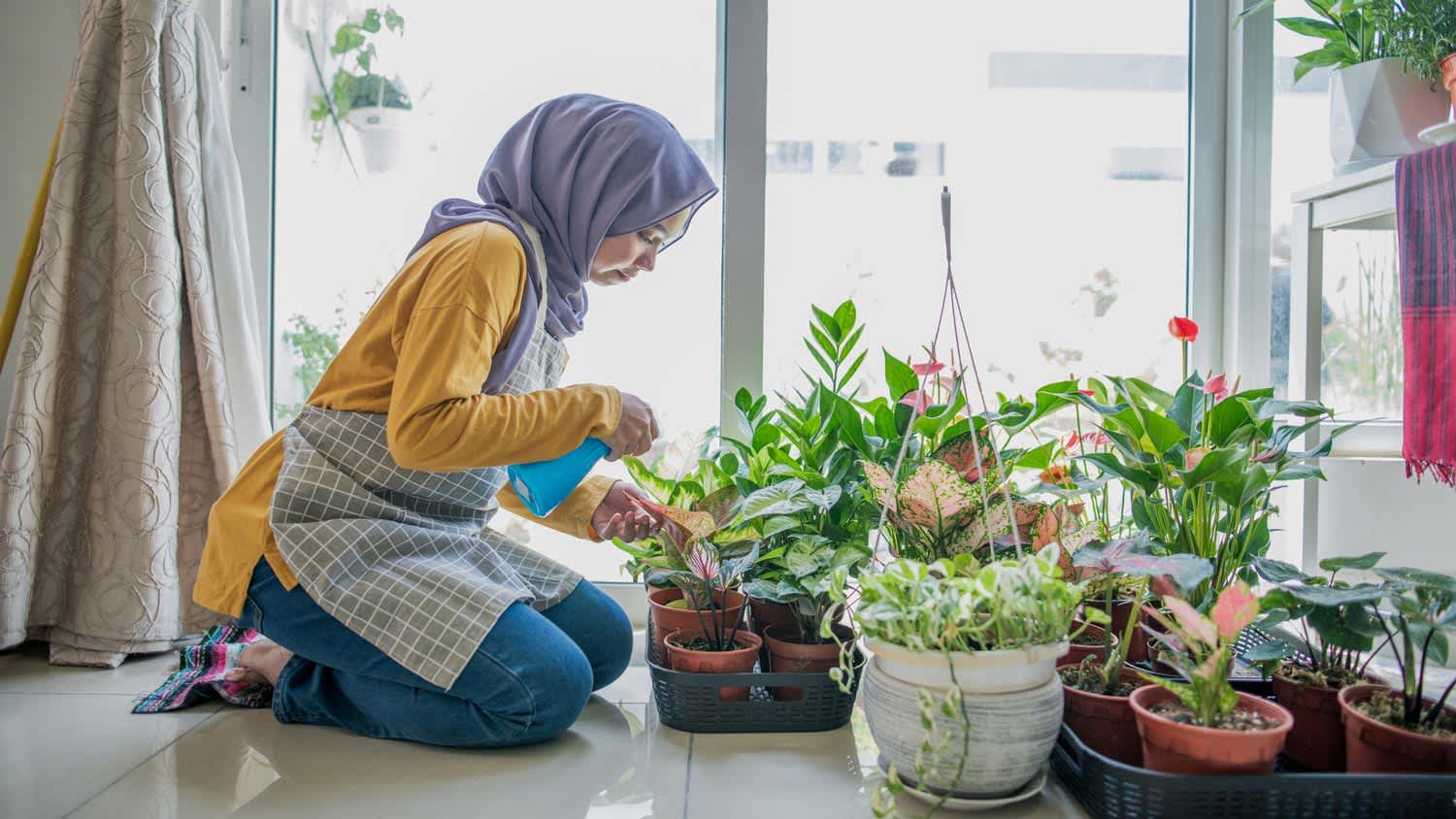
The Hurley, NM homeowners’ guide to plant watering services
From average costs to expert advice, get all the answers you need to get your job done.
Before you set off on vacation, you’ll want to make some preparations for your plants. Learn how to keep your plants alive when you’re out of town in this guide.
Does talking, or singing, to plants help them grow? Does dish soap deter pests? Can banana peels help plants grow? What's up with coffee grounds as fertilizer?