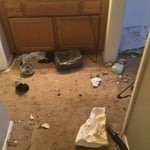
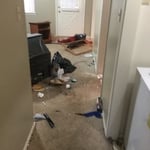
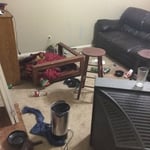
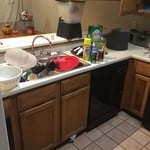
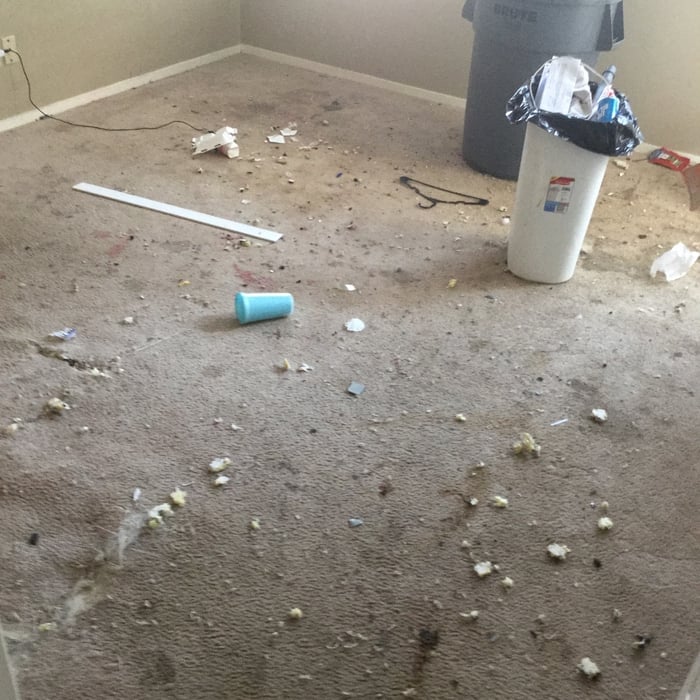
"Leon is the best!! In my six years of property management I've never seen an apartment so dirty and demolished. Leon came the next day and worked endlessly until the job was done. Him and his team were very polite and friendly. (Despite the horror inside) They took out all of the trash, broken fixtures, and even the carpet. And then cleaned the whole apartment!! I would recommend his company to anyone."
A koi pond should be at least 5 feet deep to keep the fish healthy and ensure they don’t freeze in winter. Koi fish are also known for growing large, so the more room you have, the better. A larger koi pond size will allow the fish to grow bigger than a smaller one will, and the more fish you have, the bigger the pond you’ll need. Learn how to build a pond in your backyard to ensure it remains functional and aesthetically pleasing for a long time.
Most home misters use several cups of water in a couple of minutes, or around a gallon per hour of use. That varies greatly depending on the size of the system and the power of the pump. If you are using professional services, you should ask about water use for your planned system when you’re getting an estimate. If you are using a water tank, make sure it’s filled before operation.
You can use the outdoor spigot to do many things like cleaning patio furniture, washing down driveways, or watering plants. You can also attach outdoor hoses and some sprinkler systems to your spigot, making it much easier to keep your grass and plants watered. When connecting a hose or sprinkler system to your outdoor spigot, pay close attention to the manufacturer’s instructions, as they can ensure a snug fit with no leaks.
Seeps and springs form when groundwater reaches the earth’s surface. The main differences between them are the amount of water and the flow rate. Seeps are smaller than springs and consist of water that’s stagnant or flows slowly. Springs contain more water and flow more quickly.
Lifespans vary by material and manufacturer, but pond liners last anywhere from 10 to 75 years. For example, polyvinyl chloride (PVC) pond liners have a life expectancy of up to 20 years. Other types of pond liners, including those made of high-density polyethylene (HDPE) and ethylene propylene diene monomer (EPDM), can last 40 to 50 years.
The Fort Sumner, NM homeowners’ guide to fountain services
From average costs to expert advice, get all the answers you need to get your job done.
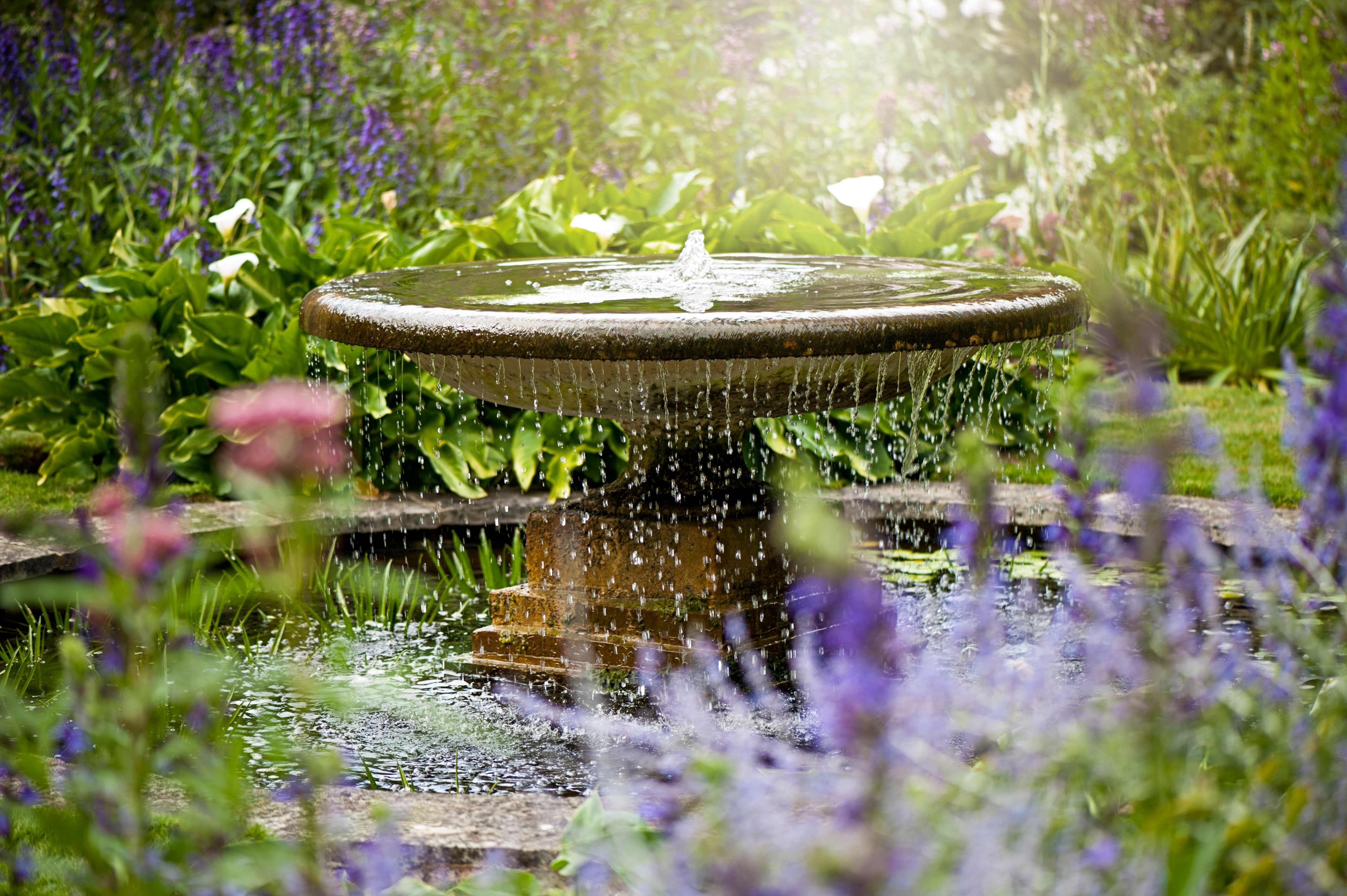
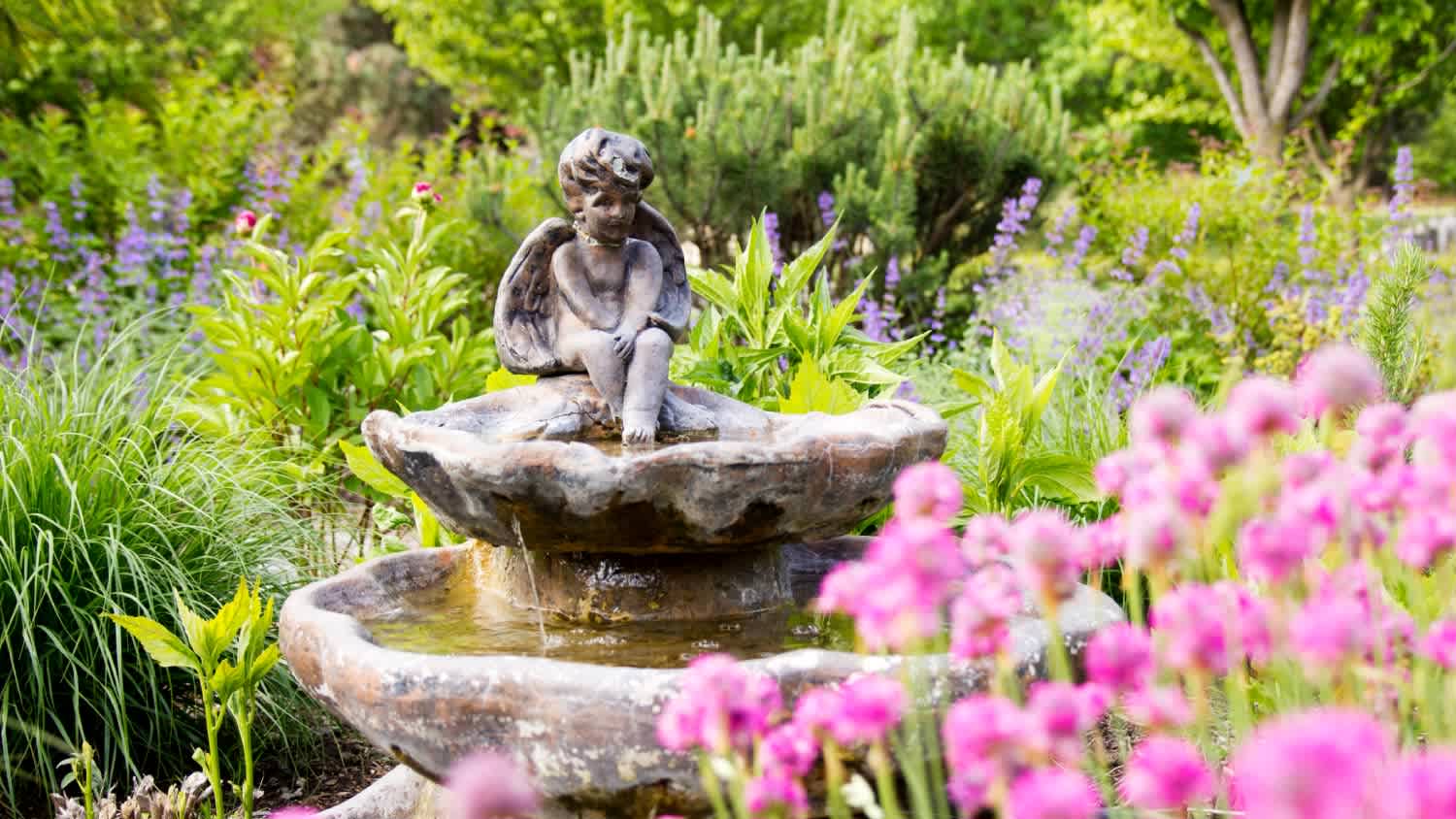
Discover the cost to install a fountain in your pond, including average prices, key cost factors, and tips to save money on your pond fountain installation.
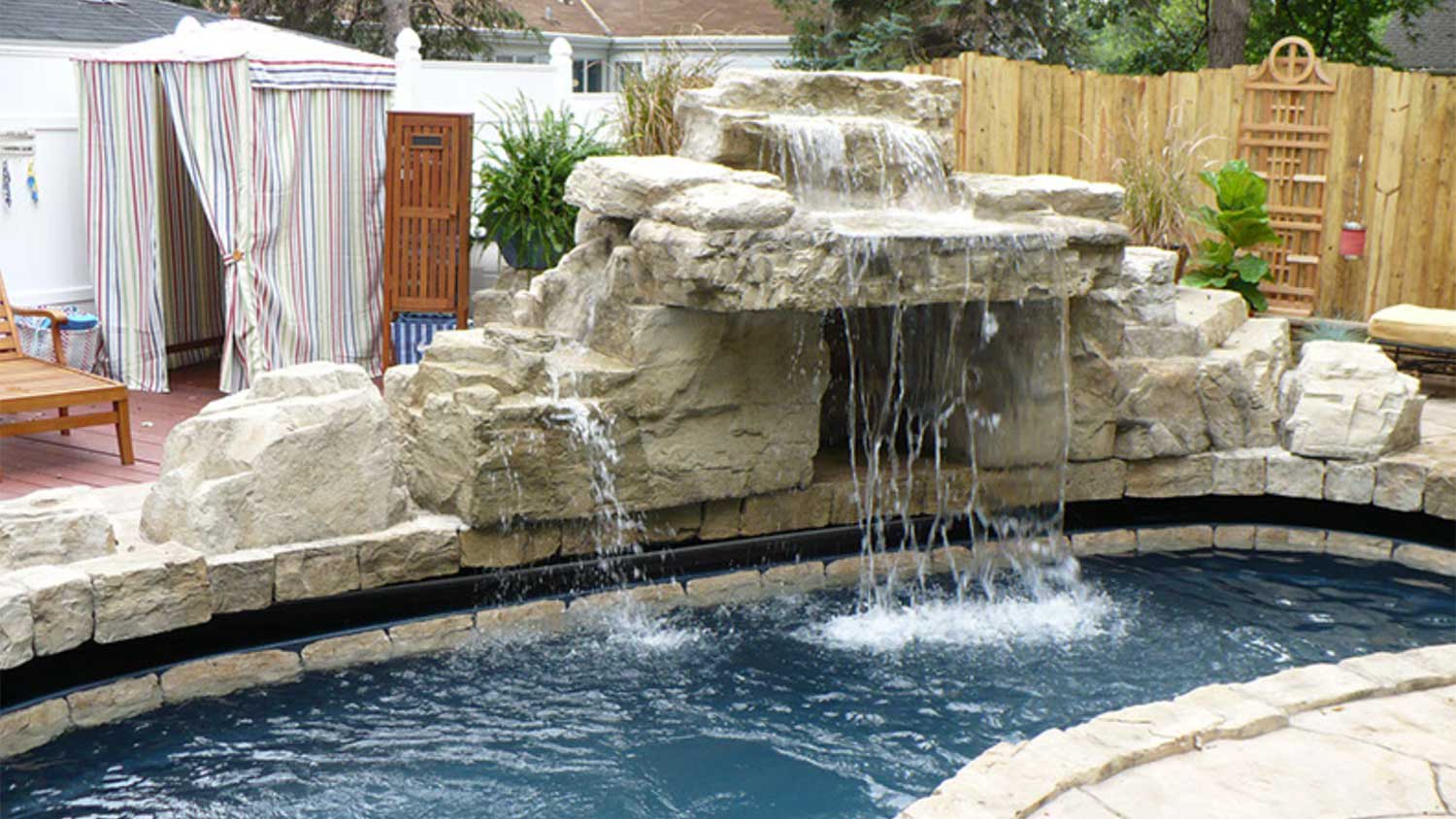
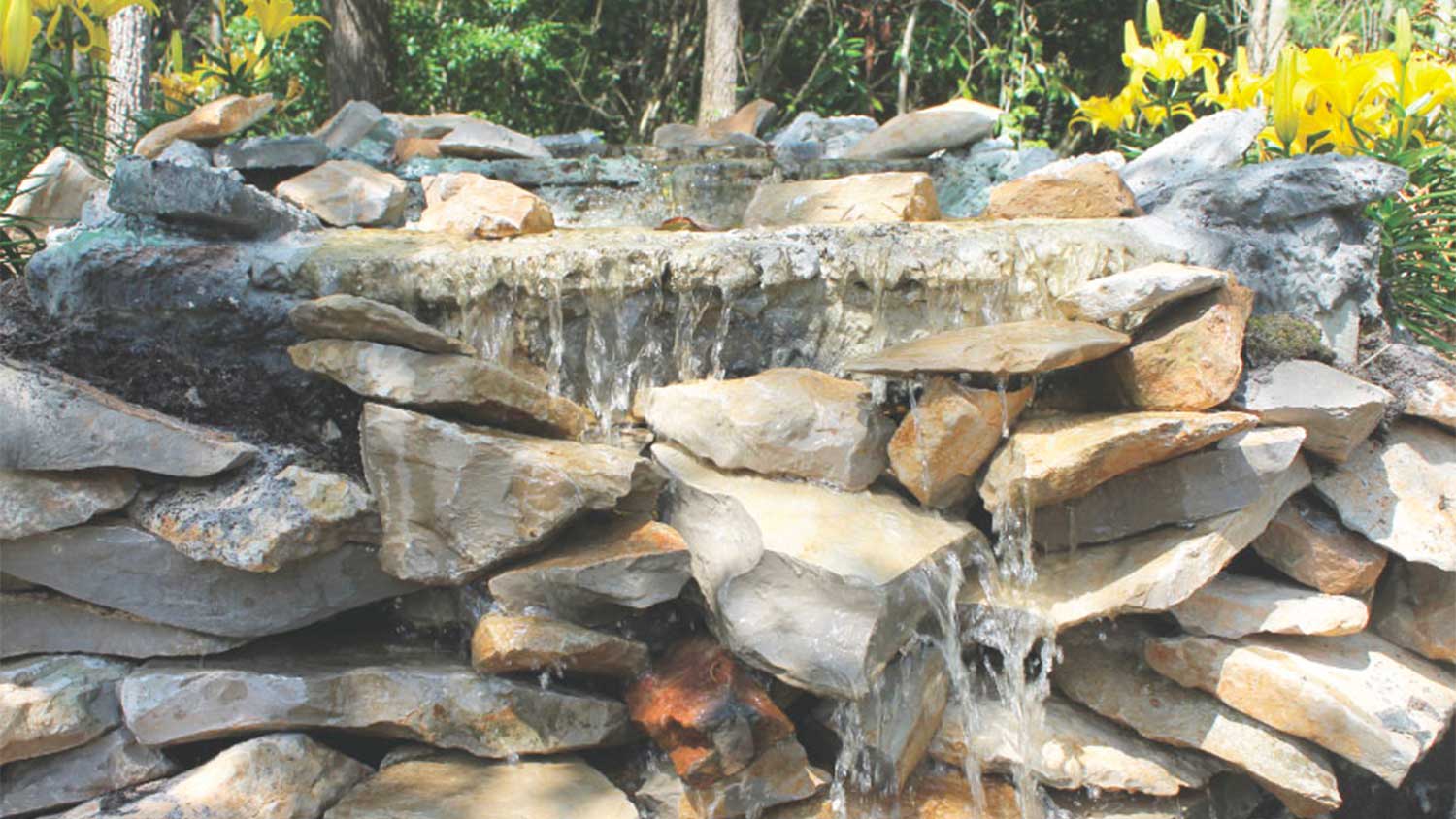
Dive into the details of the different kinds of backyard water features, including fountains, birdbaths, waterfalls, pools, ponds, streams, and spouts.