



Top-rated lawn irrigation specialists.

Get matched with top lawn irrigation specialists in Fort Defiance, NM

Enter your zip and get matched with up to 5 pros

Need a pro for your lawn irrigation project in Fort Defiance, NM?

Select your specific project to find the pro for you.

Find Lawn irrigation specialists in Fort Defiance

No results for Lawn irrigation specialist in

Try adjusting your search criteria.
Lawn Irrigation questions, answered by experts

Before you put down grass seed, you should cultivate your soil or add two inches of topsoil. You should also put down fertilizer at the same time as your seed to prompt healthy growth. Be sure to water after you put down grass seed, especially for the first two weeks.

The best time to plant grass seed depends on your local climate and whether you have cool-season or warm-season grass.

For cool-season grasses (like tall fescue), the ideal time to seed is late summer or early fall (typically August and September). During this period, the soil is still warm from the summer, but the air is cooler, creating optimal conditions for germination and root establishment before winter. There is also less competition from weeds. Spring is a secondary option, but cooler soil temperatures, the risk of a late frost, and less time for the grass to mature before summer heat can make it less successful.

For warm-season grasses (like St. Augustine), the best time to plant is from late spring through mid-summer (typically May and June), when temperatures are consistently between 75 and 90 degrees Fahrenheit.

In general, it is best to avoid seeding during winter or early spring, as cold soil and air can prevent seeds from germinating. For recommendations tailored to your specific grass type and climate, consider consulting a local lawn care professional.

Seeding a lawn offers several advantages over laying sod, primarily related to cost and variety. Seeding is less expensive upfront, making it a more budget-friendly option. It also provides a much broader selection of grass varieties, allowing you to choose the best type for your specific climate and soil. Additionally, seeding allows grass roots to establish directly in the native soil, and the installation process is typically less labor-intensive than sodding. However, it's important to consider that sod offers better immediate protection against weeds and erosion.

Aerating a lawn before seeding it or adding new grass seed is a smart decision. By loosening up compact soil and allowing it to take in more air and water, your seeds will have an easier time establishing roots and growing. Aerating beforehand also means your seeds will have better contact with the soil, so more of your seeds have a chance to germinate. If you do plan to aerate your lawn before seeding, aerate about two days before you plan to start seeding.

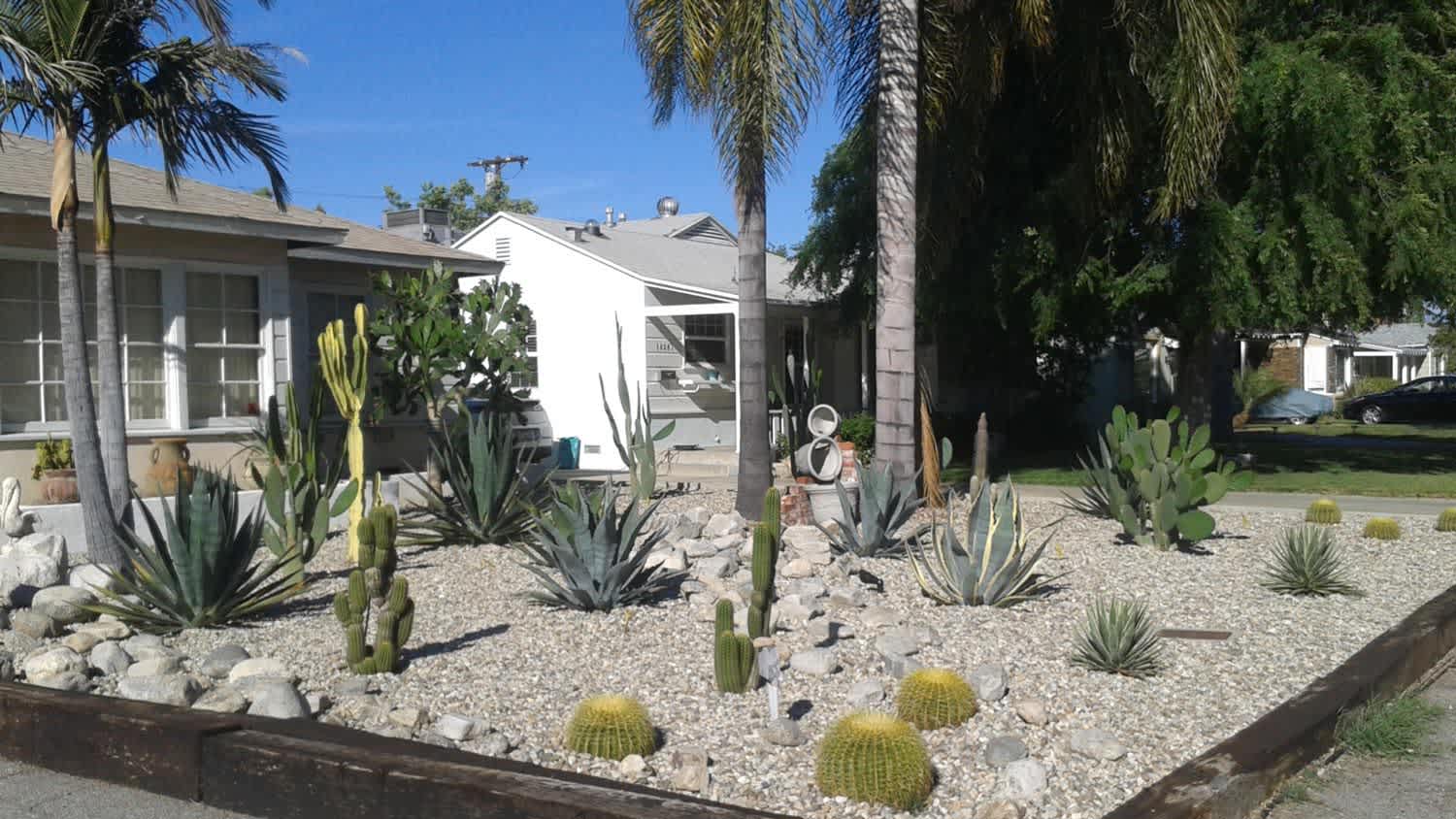
Because it’s native to the central United States and Canada and is drought-tolerant, it typically is not difficult to grow. It requires very little maintenance and minimal watering beyond rainfall. Its hardy nature and unique look make it a favorite choice among people living in the western United States and other dry regions of the country. 

The Fort Defiance, NM homeowners’ guide to lawn irrigation services

From average costs to expert advice, get all the answers you need to get your job done.