"I am very particular and our home is unique. If you can please me, you will be able to make anyone happy. I can't say enough about Skylight Specialists. We had four skylights that were damaged by hail and were original to our home. All were replaced and look fantastic. We requested a custom trim on the interior that looks wonderful too. I would highly recommend Skylight Specialists. Quality, caring company."
"They were able to replace the skylight in less than 2 weeks after the quote. They did a good job and make the finish on the inside look good. A few weeks later, there was a heavy rain and my new skylight is no longer leaking like my old one that was replaced."
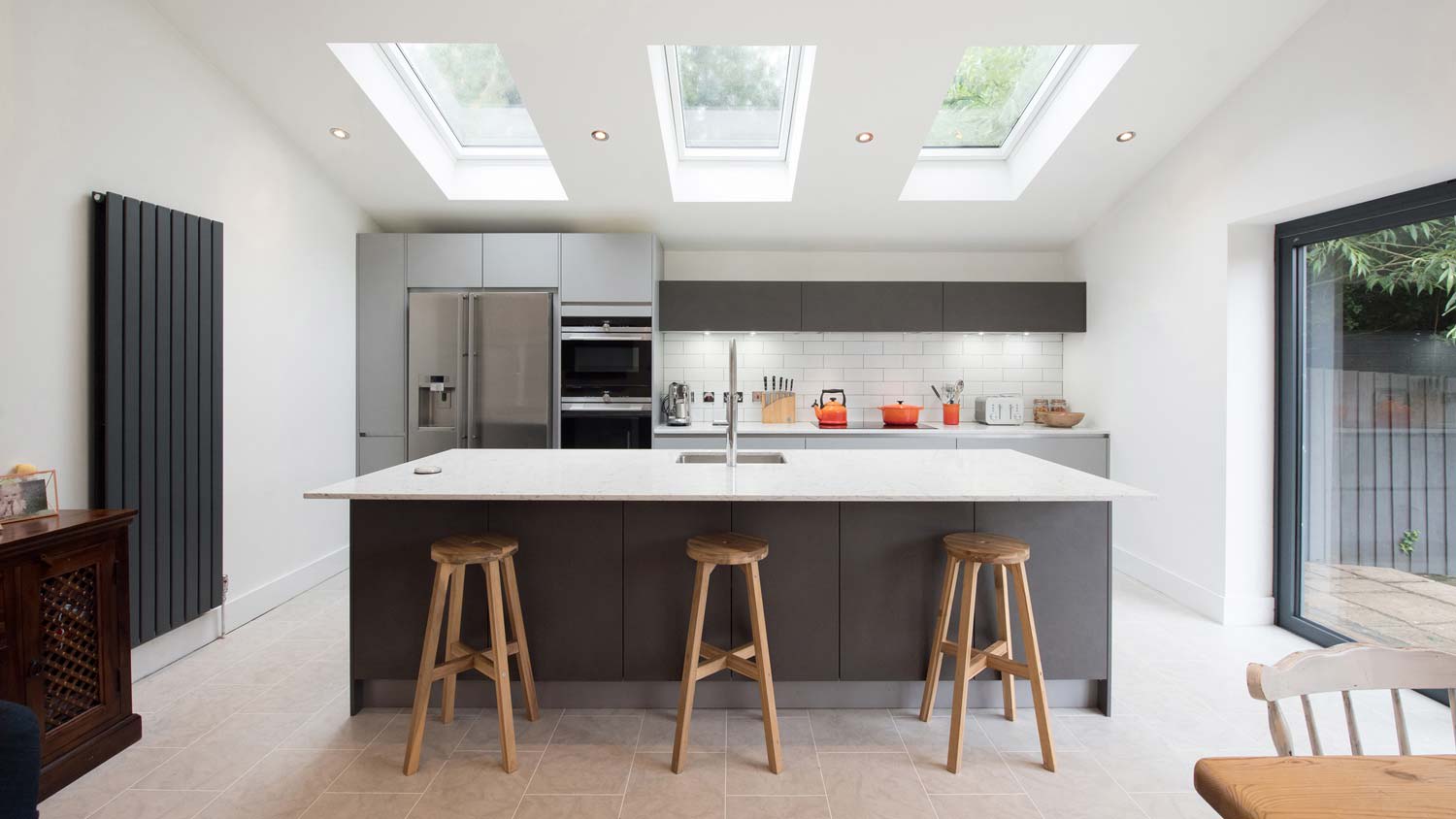
Start with skylights! At VELUX, our mission is clear: we're dedicated to transforming your space with natural light and fresh air with skylights. Whether you're looking to replace old skylights or install brand-new ones, we will guide you every step of the way. Why Choose VELUX? =================== When it comes to skylights and roof windows, VELUX is the global leader. Here's why you should trust us to transform your home: 1. Innovation and Quality: VELUX skylights are renowned for their innovation and unmatched quality. They're designed to let in abundant natural light while keeping your space leak-free and energy-efficient. 2. Huge Product Selection: You’ll have access to a wide range of skylight options, from fixed to vented skylights. And we are here to help tailor the selection to suit your specific needs and style preferences. 3. Expertise: We take pride in what we do at VELUX, and our team is highly trained to guide you through the entire process. From selecting the perfect product for your space to providing valuable recommendations, we're committed to making sure your skylight project is a complete success. 4. Professional Installation Partners: We don't stop at product selection and recommendations; we also match you with a VELUX-trained installer who will handle the installation of your skylights with precision and expertise.
"They were wonderful, couldn't say much about them, but they were just great, We have recommended them to our neighbors, their customer service was good, they stand behind their products, I would definitely use them again. Our house looks gorgeous, you can walk on our neighborhood and you would know which house they worked on, it is beautiful."
"THIS IS THE BEST ROOFER I ever had work on my house. Albuquerque, this is the company you want to call! They responded to my request on Angie?s list, came by my house, called me with a solution, gave me a verbal estimate and then a good bid. They showed up ON TIME and they went the extra effort putting on silicon solution covering a larger area that ensures that I won?t have a leak in the future ( I battled a leak every time it rained heavy). This company follow?s up on every email, phone call and voice mail. The fixed worked and budget willing, I will have them back out in the spring to re-roof the entire house. Again, Albuquerque, this is the company you want to call! "
Skylights might sometimes increase your homeowners insurance premium, but the increase is usually minimal. Some home insurance companies won’t adjust your premium with the addition of a skylight, so you can contact your insurer or your professional skylight installer to ask about any expected changes. It’s crucial to have an expert install the skylight, as insurance companies may not insure your roof or cover water damage that results from a non-professional skylight installation.
Water will leak through a skylight if there are issues in the sealing of the skylight. Find and fix those issues yourself if possible, but it’s a good idea to contact a professional, as there could be much more water damage than you initially saw. Plus, it’s dangerous to work on a roof without the proper safety equipment and know-how.
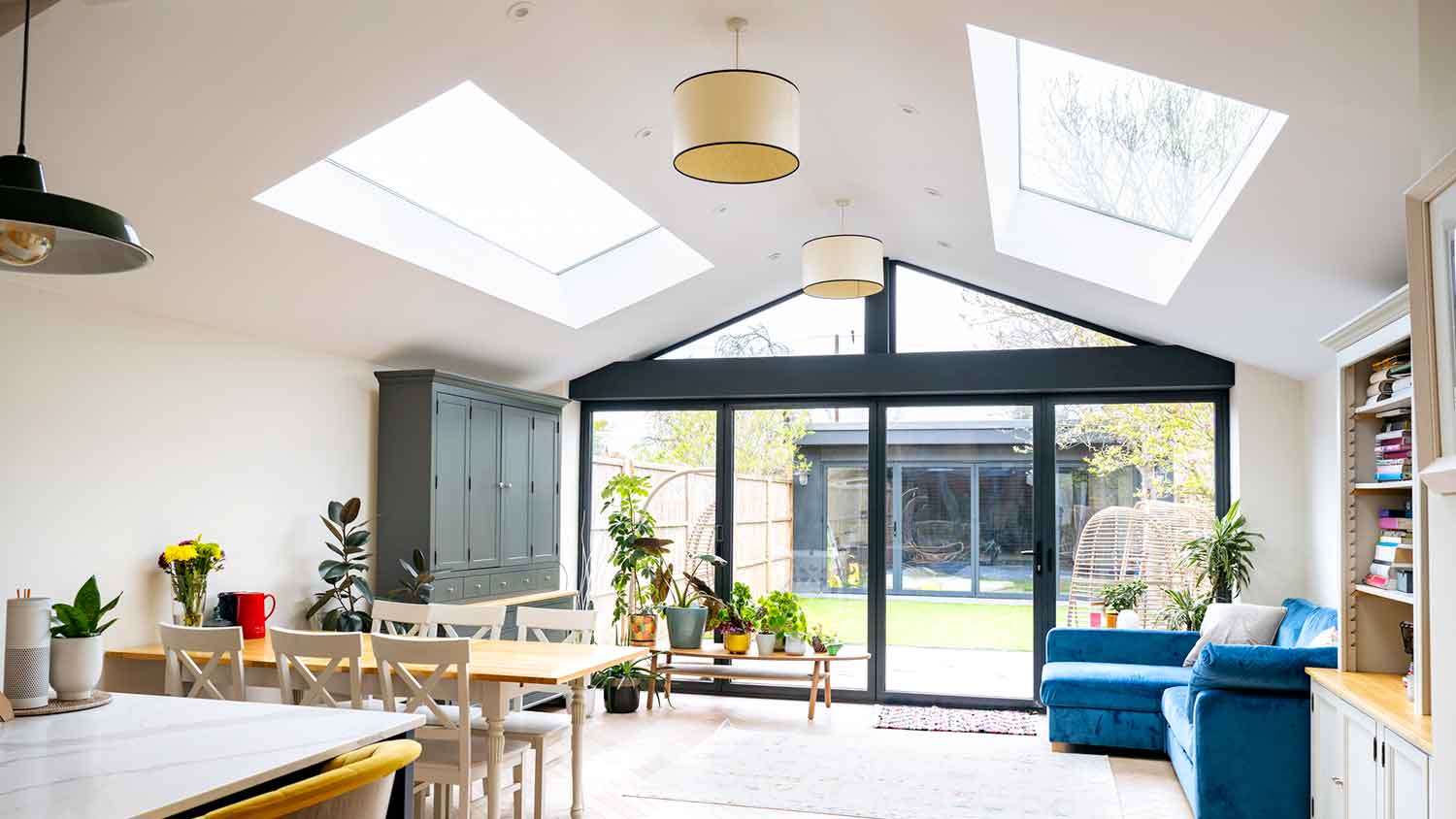
When planning out skylights and deciding how big they should be, it's important to look at the dimensions of the interior space. In addition to changing a room aesthetically, skylights influence the illumination and temperature of the space below. The U.S. Department of Energy recommends that a skylight’s size should never be more than 5% of the floor area in rooms with many windows.
Repairing or replacing a skylight generally takes between a few hours to a full day. Simple repairs might take 2 to 4 hours, depending on the complexity of the problem. The total time can vary based on factors like weather conditions, the accessibility of the skylight, and the extent of the work required, such as replacing the entire unit versus performing minor repairs.
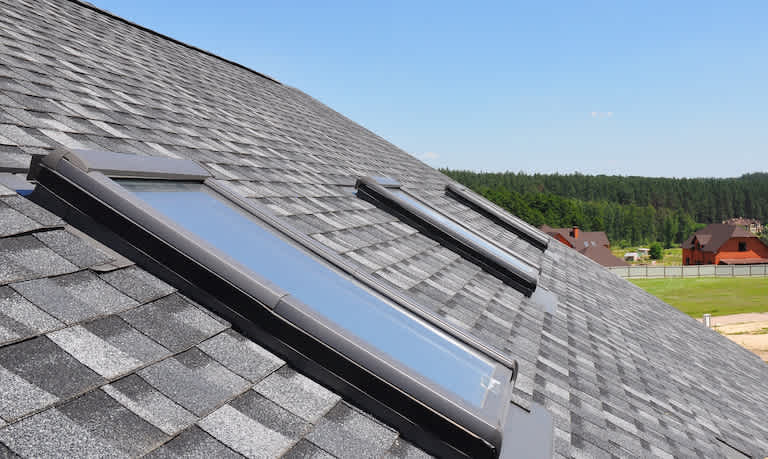
Yes, you can replace a skylight without changing the entire roof—if the roof is in good shape. First, you need to make sure the roof around the skylight is intact and free of damage. Quality installation is crucial to prevent leaks, including replacing the flashing, which seals the skylight to the roof. While replacing the skylight alone is doable, it can make sense to replace both at once to streamline the work, coordinate the warranties, and reduce the risk of future leaks. If you’re unsure, reach out to a professional for help in deciding the best approach.
The Crownpoint, NM homeowners’ guide to skylight services
From average costs to expert advice, get all the answers you need to get your job done.
Skylights can enhance natural light and boost a home's appeal to some buyers. Use this guide to learn how factors like skylight size, type, and installation quality impact resale potential.
What is a skylight? Though the name is a bit of a trick, skylights are windows on the ceiling that provide you with a natural light source. Learn more about them here.
Thinking of installing skylights but not sure what type of skylight is right for your home? Check out this guide to the different skylight types for help.