Asbestos is a hazardous material that poses serious health risks when its fibers become airborne and are inhaled. Exposure to asbestos can lead to severe respiratory diseases, including lung cancer and mesothelioma. For these reasons, it is essential to remove asbestos safely and in compliance with regulations to protect the health of occupants and ensure the property meets safety standards.
Lead Testing and Removal questions, answered by experts
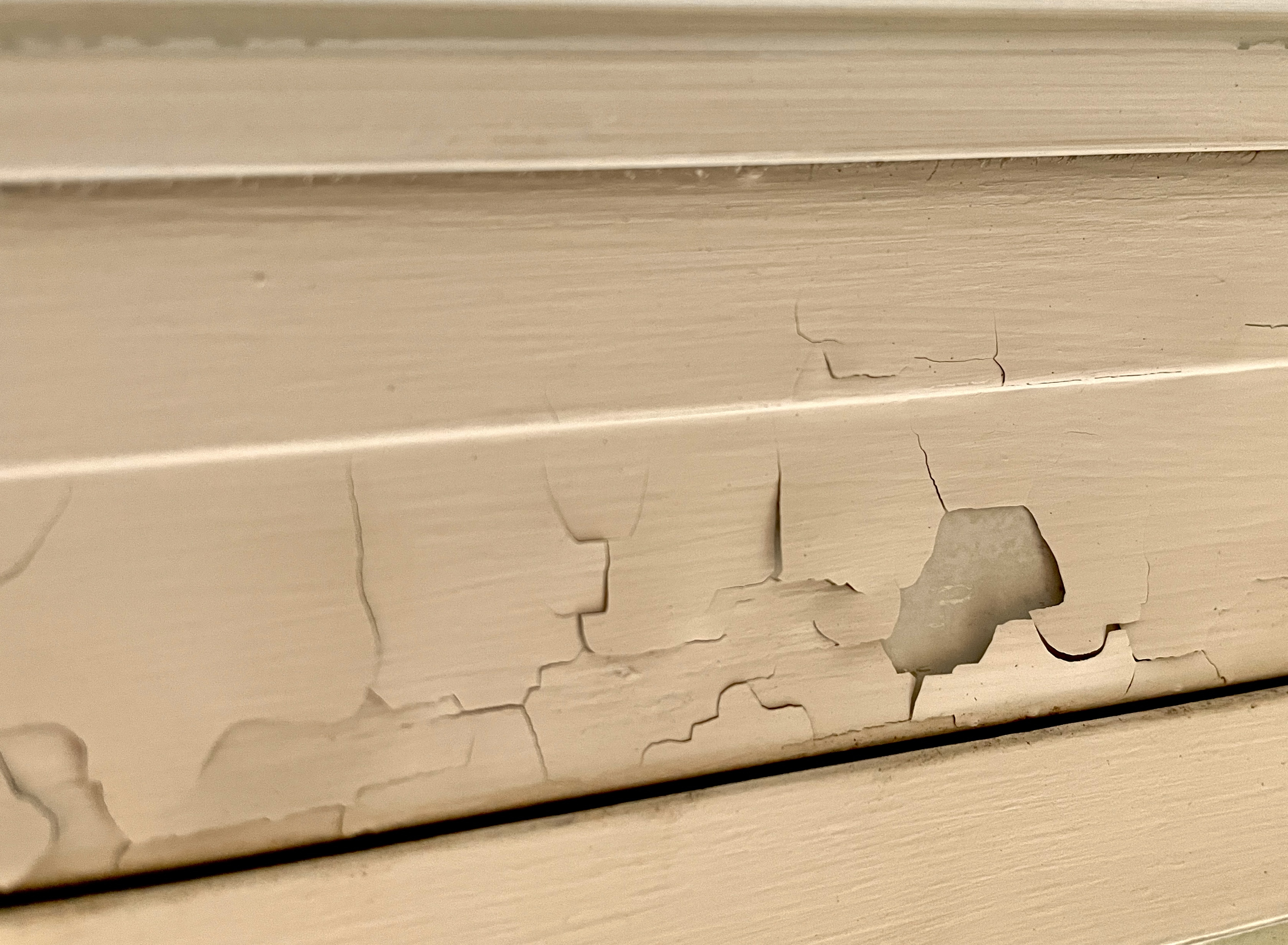
You can paint over lead paint, or “encapsulate” it with a special paint that includes an ingredient called an encapsulant. The EPA approves encapsulation as a lead paint removal method as long as the paint remains undisturbed. Standard types of paint without an “encapsulant” from the big box stores or hardware stores do not meet EPA standards for remediation of lead-based paint.
While not all homes built before 1978 contain lead paint, enough do, so you’ll still want to test to be on the safe side. The federal government banned lead-based paint for homes in 1978, but your state may have banned lead before that time. Around 24% of homes built between 1960 and 1977 contained lead-based paint, while 87% of homes built before 1940 contained lead-based paint.
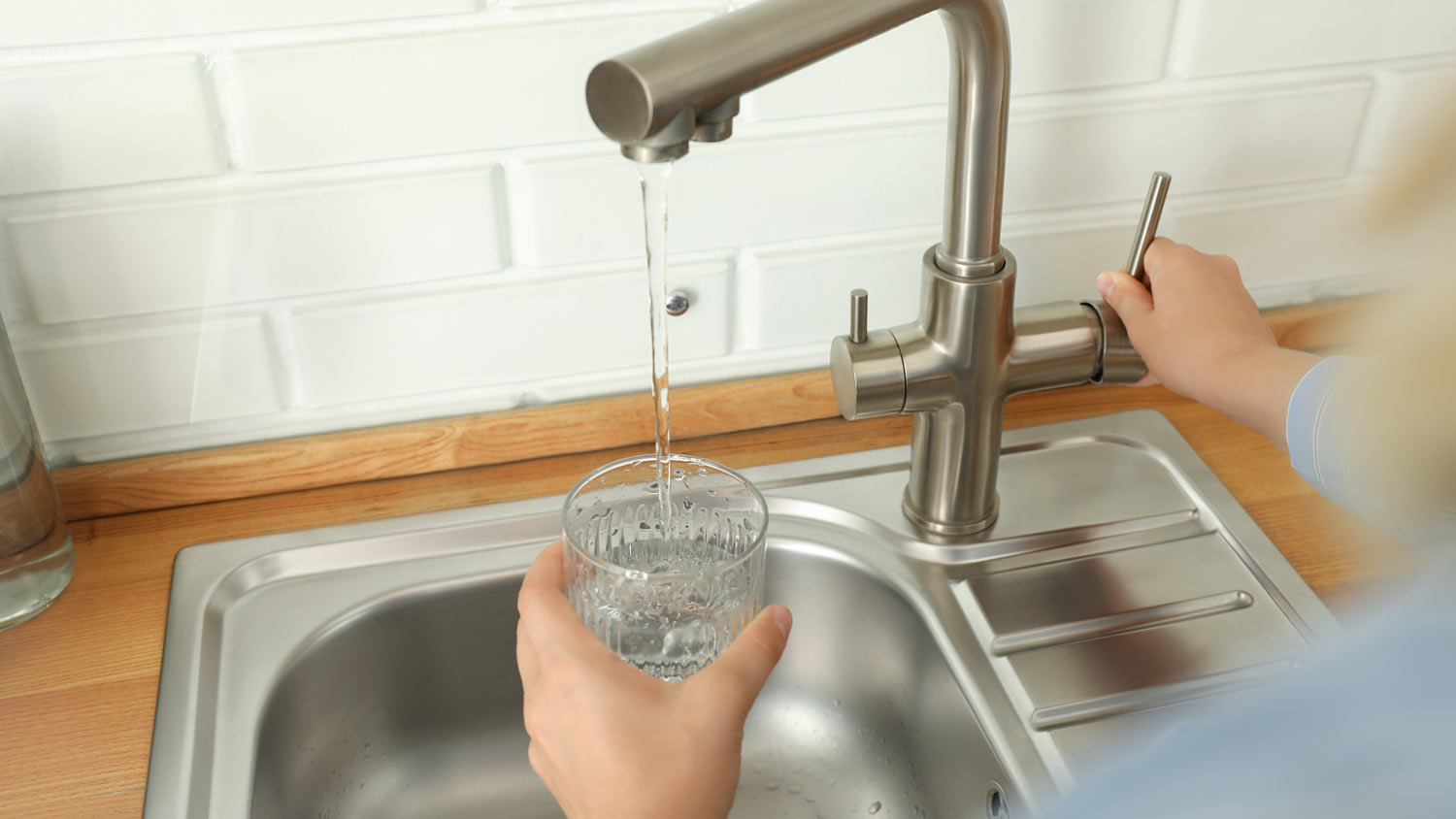
Lead testing in residential properties involves collecting samples from paint, dust, soil, or plumbing and analyzing them in certified laboratories to accurately identify lead levels.
Lead exposure poses significant health risks, including neurological, developmental, and behavioral disorders, especially critical in young children and fetuses.
You do not have to remove lead paint if the surface is not chipping or peeling or if there are no pregnant people or children under the age of six who live in or regularly visit your home. Lead paint is a particular risk for young children whose brains and bodies are not fully developed. Experts strongly recommend that you call a pro to remove lead paint if it’s peeling or flaking, no matter who lives in the home. You can experience lead poisoning by breathing in or ingesting just a small amount of it.
The Crownpoint, NM homeowners’ guide to lead testing and removal services
From average costs to expert advice, get all the answers you need to get your job done.
Get expert insights on lead paint inspection costs, including key cost factors and ways to save. Learn what affects your estimate and how to budget effectively.
Learn how to hire a qualified lead testing professional for your home. Find certified inspectors, understand costs, and protect your family from lead hazards.