





Top-rated basement waterproofing pros.

Get matched with top basement waterproofing pros in Aztec, NM

Enter your zip and get matched with up to 5 pros

Find Basement waterproofing pros in Aztec

Bobcat Construction, LLC
3.3(
27
)
Basement Drainage Channels - InstallBasement Drainage Channels - Repair

Serving Aztec, NM and surrounding areas

Approved

In business since 1973

Free estimates

Credit card accepted

"Steve met me and my manager in person to go over expectations and the scope of the job. His crew showed up on time and completed the job in a timely fashion. He was available for questions and concerns."
Response time2 days
25 neighbors recently requested a quote

Recommended by82%of homeowners
Basement Waterproofing questions, answered by experts

Proper basement ventilation is very effective at reducing humidity. Without enough ventilation, your basement is prone to mold and moisture damage. Your basement should have as much natural ventilation via windows and doors as possible, and if your budget allows, you should also consider installing an ERV system to keep basement humidity levels at bay.

No, your basement dehumidifier doesn’t need to be on 24/7. While it’s an excellent tool for tackling damp, musty air, especially in humid seasons, leaving it running nonstop can backfire. Over-drying the space can mess with your sinuses, warp wood, and even crack certain materials. Instead, only use your humidifier when moisture levels rise above 50%, and then give it a break when the humidity levels drop.

You’ll need to reseal the foundation every five to 10 years, depending on the sealant you’ve used, the moisture conditions present in and around your home, and the condition of your foundation. Having a foundation inspection conducted before reapplication can help you catch any problems before you begin resealing. Of course, if you notice any new leaks or other moisture problems at any time, it may be necessary to reseal the foundation sooner.

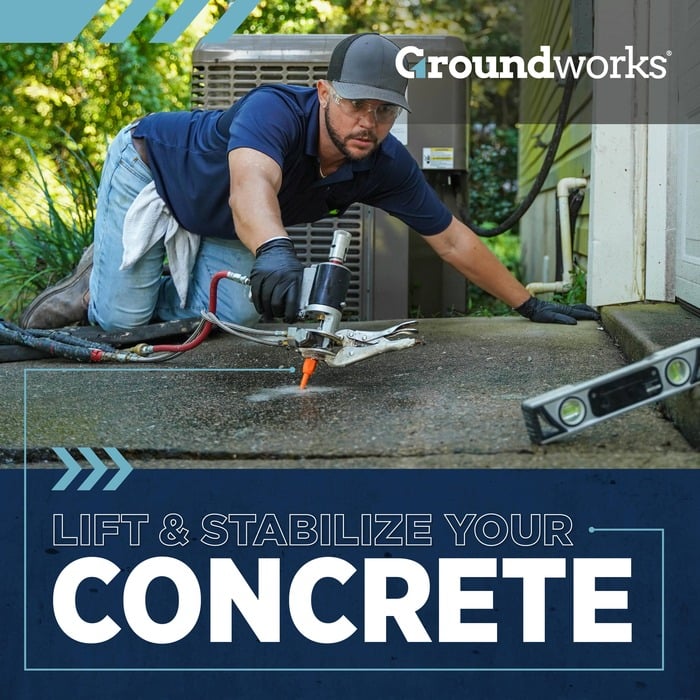
Foundation repair uses methods such as underpinning, slab jacking, or application of hydraulic piers. Each technique is chosen based on structural needs, soil conditions, and damage extent, ensuring a stable and secure foundation.

It’s not the number of weep holes that should be of concern to builders but rather their spacing. Weep holes are usually spaced anywhere between 16 inches on center when using round tubes or wicking materials and 24 inches on center when using open-head joints. This is a more conservative spacing than the 33-inch maximum spacing on center that’s mentioned in the International Residential Code. All in all, the total number of weep holes a brick exterior should have will depend on the size of the structure.

The Aztec, NM homeowners’ guide to basement waterproofing services

From average costs to expert advice, get all the answers you need to get your job done.