



Top-rated fire pit installation pros.

Get matched with top fire pit installation pros in Sparta, NJ

Enter your zip and get matched with up to 5 pros

Need a pro for your fire pit installation project in Sparta, NJ?

Select your specific project to find the pro for you.

TRUSTED BY SPARTA, NJ HOMEOWNERS

  • Average homeowner rating star icon4.6
    Average homeowner rating
  • Verified reviews icon241
    Verified fire pit installation services reviews

Find Fire pit installation pros in Sparta

Avatar for Everyones Grandpa Inc
Everyones Grandpa Inc
5.0(
149
)
Firepit Assembly

Serving Sparta, NJ and surrounding areas

In business since 2019

Free estimates

Emergency services offered

"Where do I start....the exceptional service I received from Maurice and his team was done better than my expectations. He was extremely professional and made everything look AMAZING. I HIGHLY RECOMMEND HIM FOR ANYONE LOOKING FOR A GREAT JOB!"
Lawn & Yard Work Project
Moving Project
Lawn and Yard Work Project
Lawn & Yard Work Project
Leaf Removal Project

+37

Response time1 day
Response rate100%
Recommended by97%of homeowners
Fire Pit Installation questions, answered by experts

Costs depend on system type, building size, labor, and regulatory compliance requirements.

Call 911 immediately. If you have a fire extinguisher or fire blanket near the laundry room, you can attempt to extinguish the fire, but don’t open or touch the dryer. If you can’t put the fire out, evacuate yourself, your family, and your pets from the house, closing the laundry room door behind you. Turn off the electricity to your home via the outside fuse box, then wait for the fire department. After a dryer fire, have your home’s electrical system inspected to make sure there isn’t any damage.

Generally, an oil furnace is considered safer than a gas furnace for several reasons. While both types of furnaces can produce carbon monoxide, a leak in an oil furnace is easier to detect due to the smell. Oil furnaces also don't connect to a gas pipeline, which reduces the chance of a fuel leak. Most importantly, heating oil is not combustible, whereas natural gas is highly flammable. This means there is a much lower risk of combustion or explosion with an oil furnace. However, an oil furnace can still pose a fire hazard if it tips over.

While your forced heating system runs, it can pick up dirt, dust, hair, and other particles from inside your house. Changing your furnace filters regularly is key to preventing this debris from getting stuck in your ducts and swirling around your home. With some types of furnaces, there’s also the potential for carbon monoxide leaks. However, staying up-to-date with your HVAC inspections and installing carbon monoxide sensors can help mitigate this risk.
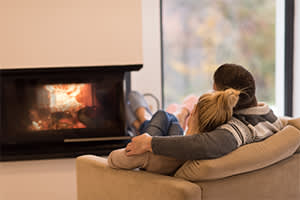
A chimney liner isn’t required for an outdoor fireplace; you don’t technically need one if the masonry chimney uses the proper dimensions and is built to code. However, a chimney liner does serve as a protective coating for the flue. Adding a liner could improve performance, safety, and durability. In short, while not necessary, it wouldn’t hurt.

The Sparta, NJ homeowners’ guide to fire pit installation services

From average costs to expert advice, get all the answers you need to get your job done.